
Sedge Warbler vs Blyth's Reed Warbler
Acrocephalus schoenobaenus versus Acrocephalus dumetorum
Play a quiz with Sedge Warbler and Blyth's Reed Warbler
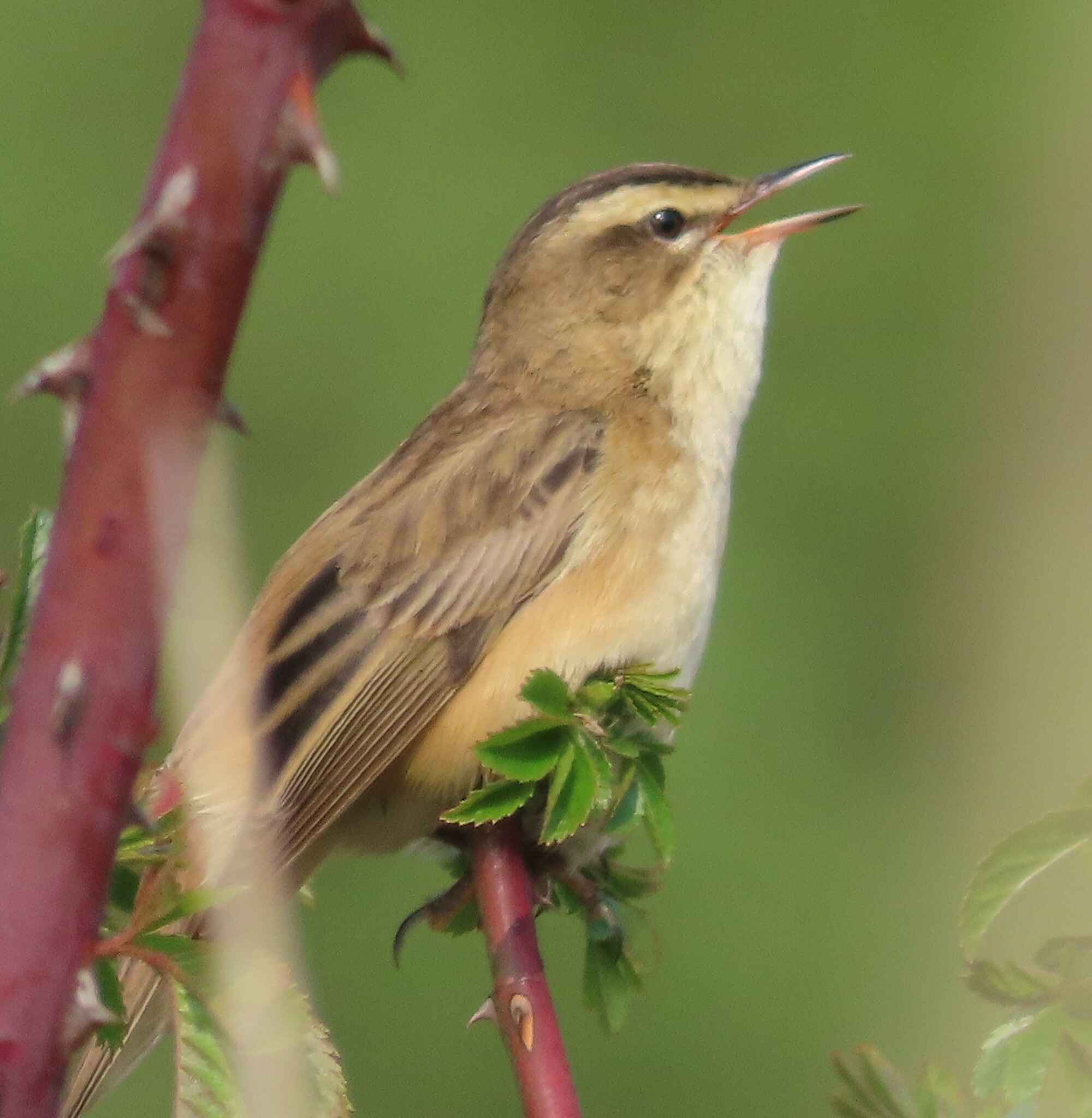 Sedge Warbler
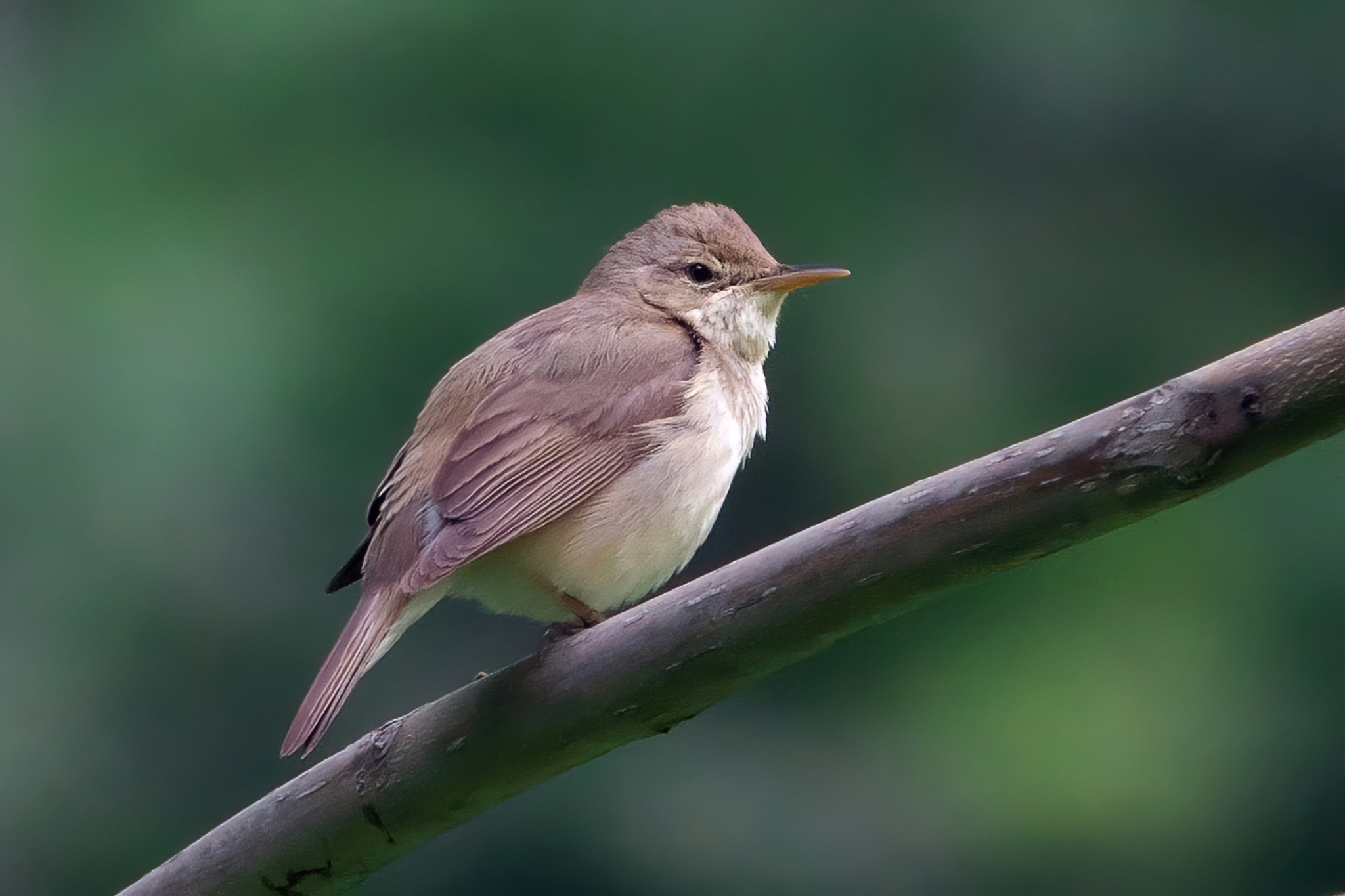 Blyth's Reed Warbler
In short
The Sedge Warbler is best distinguished by its bold, white supercilium and streaked crown, while Blyth's Reed Warbler has a more subdued appearance with a less distinct supercilium and a plain crown. Both species are similar in size and structure, but their habitats and vocalizations can aid in identification.
Identification tips
- Look for the bold, white supercilium and streaked crown of the Sedge Warbler. 2. Note the habitat: Sedge Warbler in wetter areas, Blyth's Reed Warbler in drier, bushy habitats. 3. Listen for the lively, varied song of the Sedge Warbler compared to the more monotonous song of Blyth's Reed Warbler. 4. Consider the season and location, as their ranges overlap during migration.
Size
Both species are similar in size and structure, typical of the Acrocephalus genus.
Plumage
Sedge Warbler has a bold, white supercilium and a heavily streaked crown, giving it a more contrasting appearance. Blyth's Reed Warbler has a less distinct supercilium and a plain, unstreaked crown, resulting in a more uniform look.
Behaviour
Both species exhibit similar behaviors, often seen skulking in dense vegetation, but Sedge Warbler may be more active and visible during migration.
Habitat
Sedge Warbler prefers wetter habitats like reedbeds and marshes, while Blyth's Reed Warbler is more often found in drier, bushy areas.
Voice
Sedge Warbler has a varied and lively song with mimicry, while Blyth's Reed Warbler's song is more monotonous and repetitive. Calls can be difficult to distinguish without experience.