Birdr

Senegal Lapwing vs Green Sandpiper

Vanellus lugubris versus Tringa ochropus

Play a quiz with Senegal Lapwing and Green Sandpiper
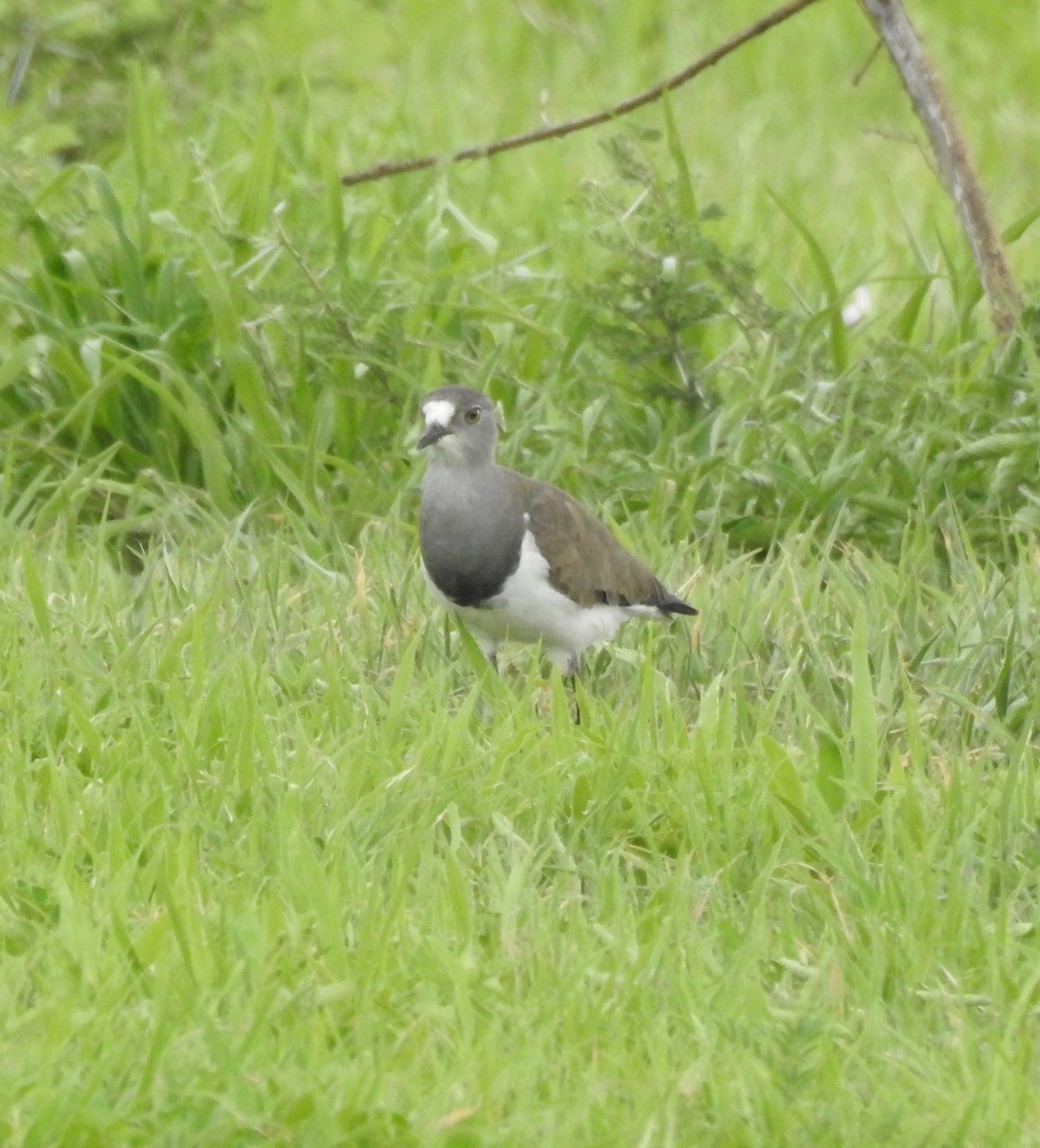
Senegal Lapwing (Vanellus lugubris) Senegal Lapwing
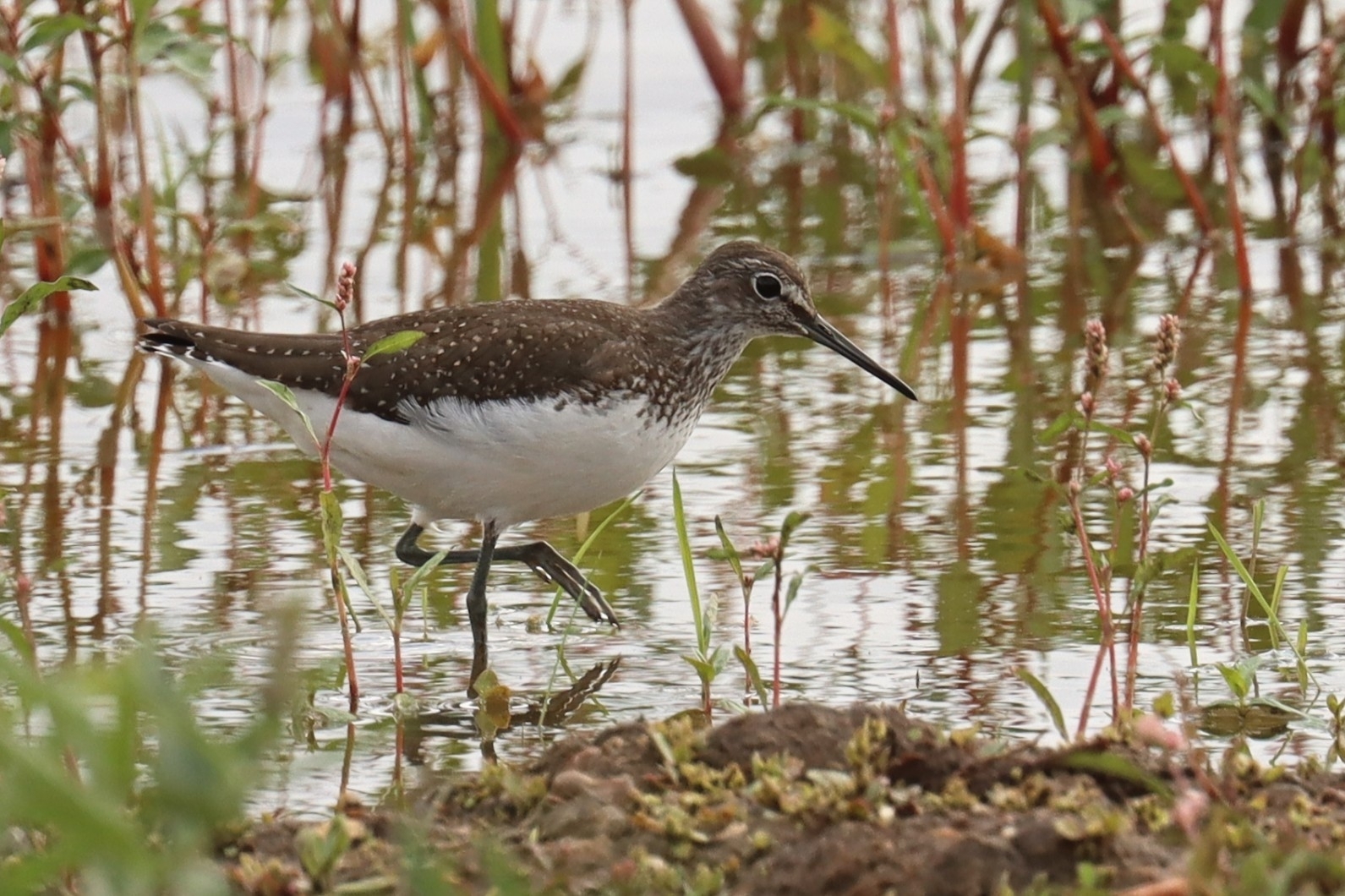
Green Sandpiper (Tringa ochropus) Green Sandpiper

Media

Loading…

In short

The Senegal Lapwing is a stockier bird with a distinct black cap and white forehead, while the Green Sandpiper is more slender with a prominent white supercilium. Both species can be found near water, but their structure and plumage provide clear distinctions.

Identification tips

  1. Look for the black cap and white forehead on the Senegal Lapwing. 2. Note the white supercilium and contrasting dark upperparts of the Green Sandpiper. 3. Observe behavior: Senegal Lapwings are more likely to be stationary in open areas, while Green Sandpipers are often seen foraging in water. 4. Listen for vocal differences: sharp calls from the Senegal Lapwing versus fluty whistles from the Green Sandpiper.

Size

The Senegal Lapwing is generally larger and more robust compared to the more slender Green Sandpiper.

Plumage

Senegal Lapwing has a black cap and white forehead, with a brownish body. The Green Sandpiper has a dark upper body with a contrasting white belly and a noticeable white supercilium.

Behaviour

Senegal Lapwings often stand and walk in open areas, while Green Sandpipers are more likely to be seen actively foraging in shallow water.

Habitat

Senegal Lapwings prefer open grasslands and savannas near water, whereas Green Sandpipers are typically found in freshwater wetlands, such as marshes and ponds.

Voice

The Senegal Lapwing has a distinctive, sharp call, while the Green Sandpiper's call is a more melodious, fluty whistle.

Submit a better description

Use the same sections as the comparison. Your text is published immediately.

The Senegal Lapwing is a stockier bird with a distinct black cap and white forehead, while the Green Sandpiper is more slender with a prominent white supercilium. Both species can be found near water, but their structure and plumage provide clear distinctions.

  1. Look for the black cap and white forehead on the Senegal Lapwing. 2. Note the white supercilium and contrasting dark upperparts of the Green Sandpiper. 3. Observe behavior: Senegal Lapwings are more likely to be stationary in open areas, while Green Sandpipers are often seen foraging in water. 4. Listen for vocal differences: sharp calls from the Senegal Lapwing versus fluty whistles from the Green Sandpiper.

The Senegal Lapwing is generally larger and more robust compared to the more slender Green Sandpiper.

Senegal Lapwing has a black cap and white forehead, with a brownish body. The Green Sandpiper has a dark upper body with a contrasting white belly and a noticeable white supercilium.

Senegal Lapwings often stand and walk in open areas, while Green Sandpipers are more likely to be seen actively foraging in shallow water.

Senegal Lapwings prefer open grasslands and savannas near water, whereas Green Sandpipers are typically found in freshwater wetlands, such as marshes and ponds.

The Senegal Lapwing has a distinctive, sharp call, while the Green Sandpiper's call is a more melodious, fluty whistle.

Discard your changes?

You have unsaved edits. If you leave now, those changes will be lost.

Senegal Lapwing · Green Sandpiper · My Tricky Birds