Birdr

Sentinel Rock Thrush vs African Stonechat

Monticola explorator versus Saxicola torquatus

Play a quiz with Sentinel Rock Thrush and African Stonechat
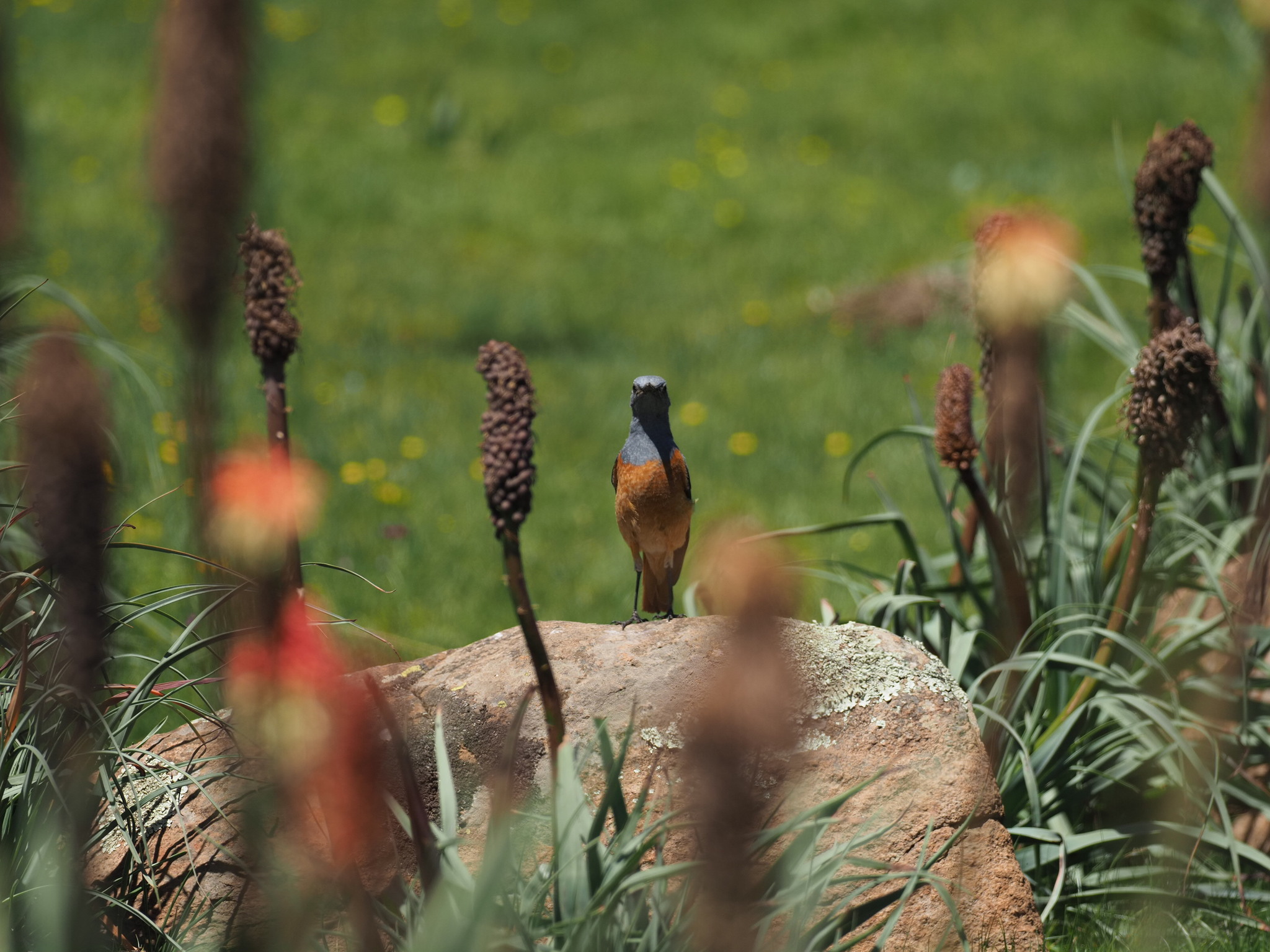
Sentinel Rock Thrush (Monticola explorator) Sentinel Rock Thrush
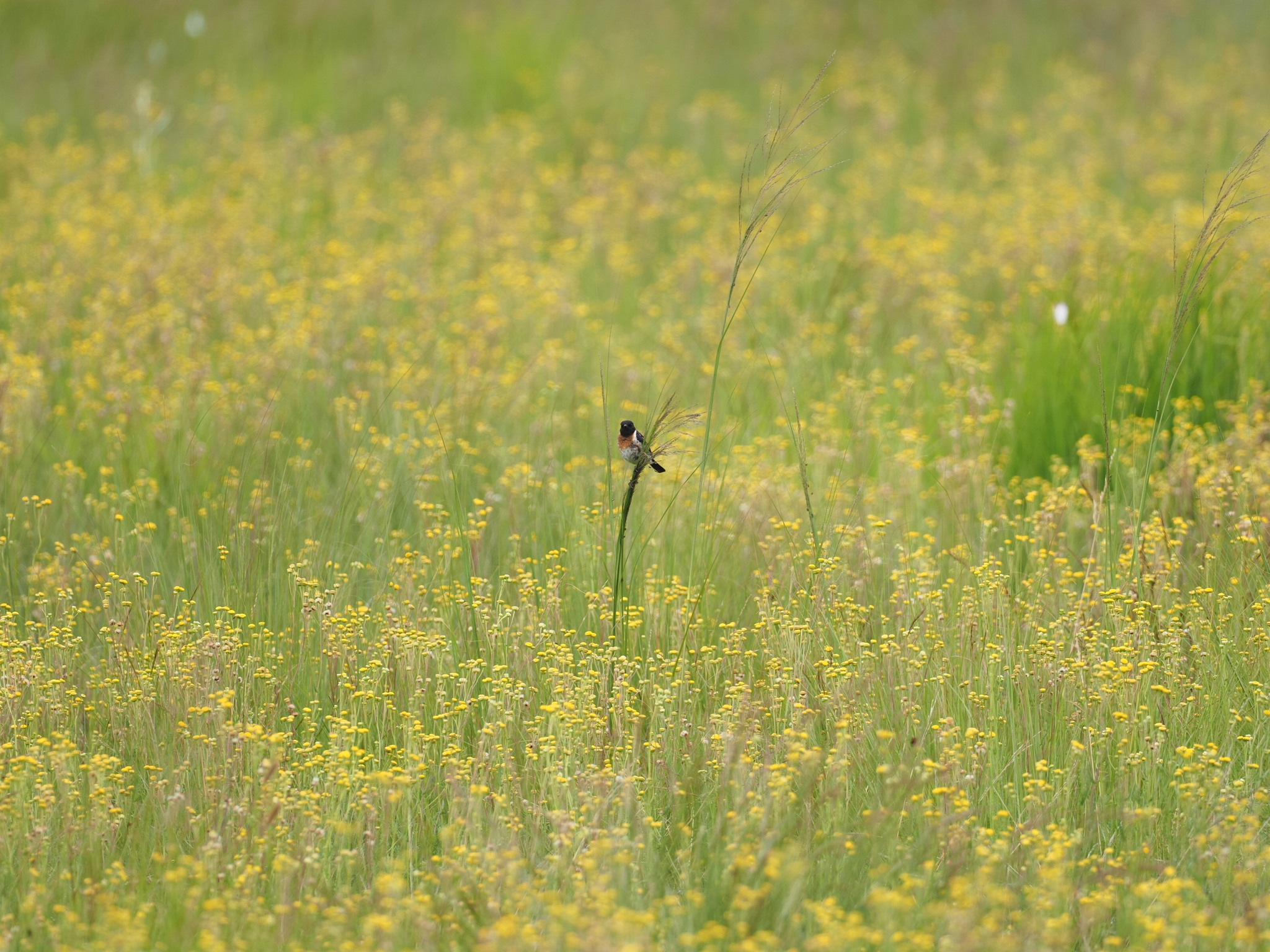
African Stonechat (Saxicola torquatus) African Stonechat

Media

Loading…

In short

The Sentinel Rock Thrush and African Stonechat can be distinguished by their structure and plumage. The Rock Thrush is more robust with a thicker bill, while the Stonechat is more compact with a shorter tail. Plumage differences are also notable, especially in males.

Identification tips

1. Structure: Look for the thicker bill and more robust body of the Sentinel Rock Thrush. 2. Male Plumage: Note the blue-grey head and chestnut belly of the Rock Thrush versus the black head and white collar of the Stonechat. 3. Habitat: Consider the habitat; Rock Thrushes prefer rocky areas, while Stonechats are found in more varied open habitats. 4. Behavior: Observe behavior; Stonechats are more active with frequent wing and tail flicking.

Size

Sentinel Rock Thrush is generally larger and more robust compared to the smaller, more compact African Stonechat.

Plumage

Male Sentinel Rock Thrushes have a distinctive blue-grey head and chestnut belly, while male African Stonechats have a striking black head, white collar, and orange breast. Female and juvenile plumages are more subdued in both species, but the Stonechat's females often show a more pronounced streaking.

Behaviour

Both species are often seen perched prominently, but the African Stonechat tends to be more active and frequently flicks its wings and tail.

Habitat

Sentinel Rock Thrushes prefer rocky outcrops and montane grasslands, whereas African Stonechats are more versatile, inhabiting open fields, grasslands, and agricultural areas.

Voice

The Sentinel Rock Thrush has a melodious song, while the African Stonechat's call is a sharp 'chak' sound. Song differences can be subtle and may require experience to distinguish.

Submit a better description

Use the same sections as the comparison. Your text is published immediately.

The Sentinel Rock Thrush and African Stonechat can be distinguished by their structure and plumage. The Rock Thrush is more robust with a thicker bill, while the Stonechat is more compact with a shorter tail. Plumage differences are also notable, especially in males.

1. Structure: Look for the thicker bill and more robust body of the Sentinel Rock Thrush. 2. Male Plumage: Note the blue-grey head and chestnut belly of the Rock Thrush versus the black head and white collar of the Stonechat. 3. Habitat: Consider the habitat; Rock Thrushes prefer rocky areas, while Stonechats are found in more varied open habitats. 4. Behavior: Observe behavior; Stonechats are more active with frequent wing and tail flicking.

Sentinel Rock Thrush is generally larger and more robust compared to the smaller, more compact African Stonechat.

Male Sentinel Rock Thrushes have a distinctive blue-grey head and chestnut belly, while male African Stonechats have a striking black head, white collar, and orange breast. Female and juvenile plumages are more subdued in both species, but the Stonechat's females often show a more pronounced streaking.

Both species are often seen perched prominently, but the African Stonechat tends to be more active and frequently flicks its wings and tail.

Sentinel Rock Thrushes prefer rocky outcrops and montane grasslands, whereas African Stonechats are more versatile, inhabiting open fields, grasslands, and agricultural areas.

The Sentinel Rock Thrush has a melodious song, while the African Stonechat's call is a sharp 'chak' sound. Song differences can be subtle and may require experience to distinguish.

Discard your changes?

You have unsaved edits. If you leave now, those changes will be lost.

Sentinel Rock Thrush · African Stonechat · My Tricky Birds