
Sepia-capped Flycatcher vs Slaty-capped Flycatcher
Leptopogon amaurocephalus versus Leptopogon superciliaris
Play a quiz with Sepia-capped Flycatcher and Slaty-capped Flycatcher
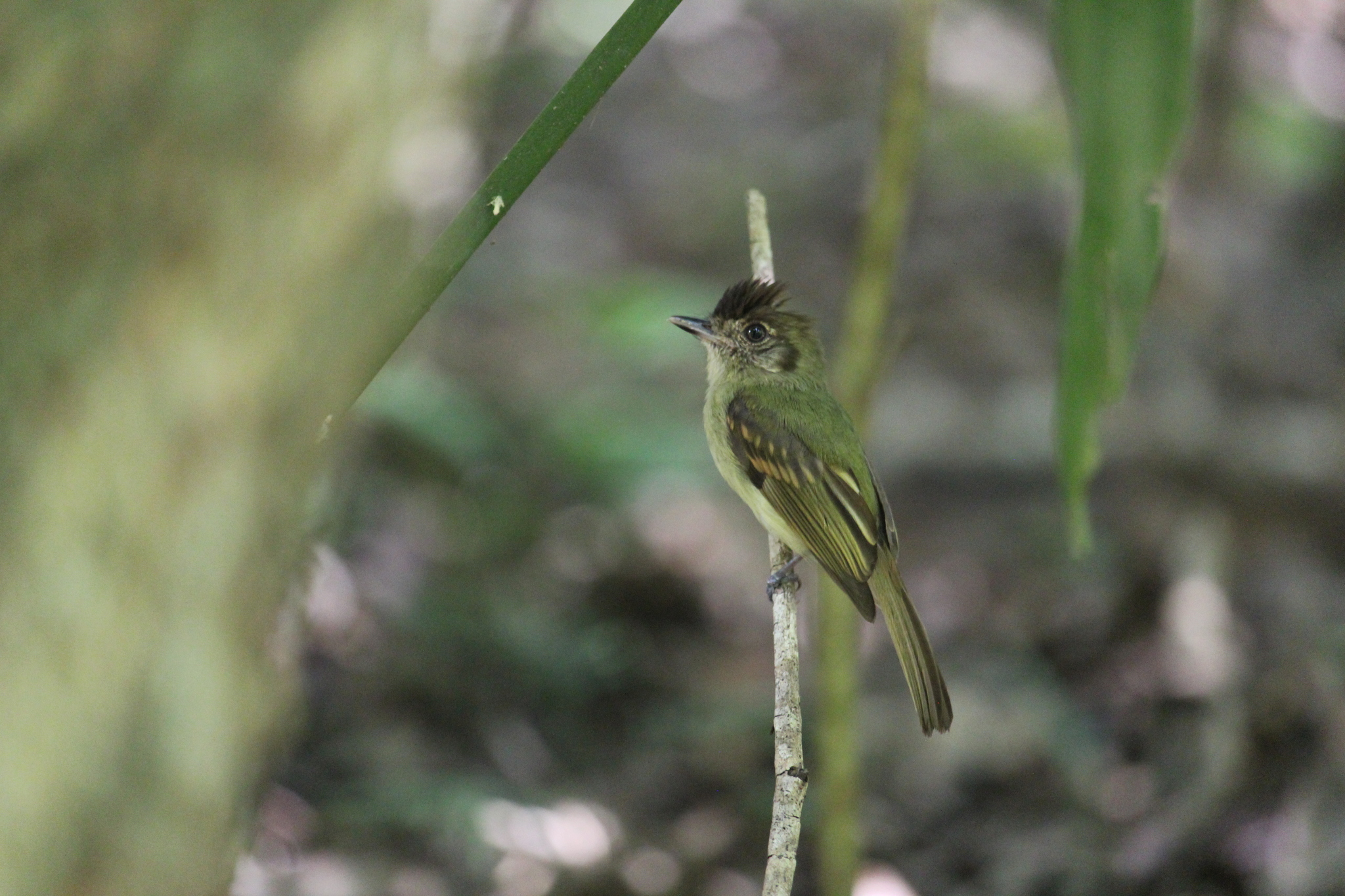 Sepia-capped Flycatcher
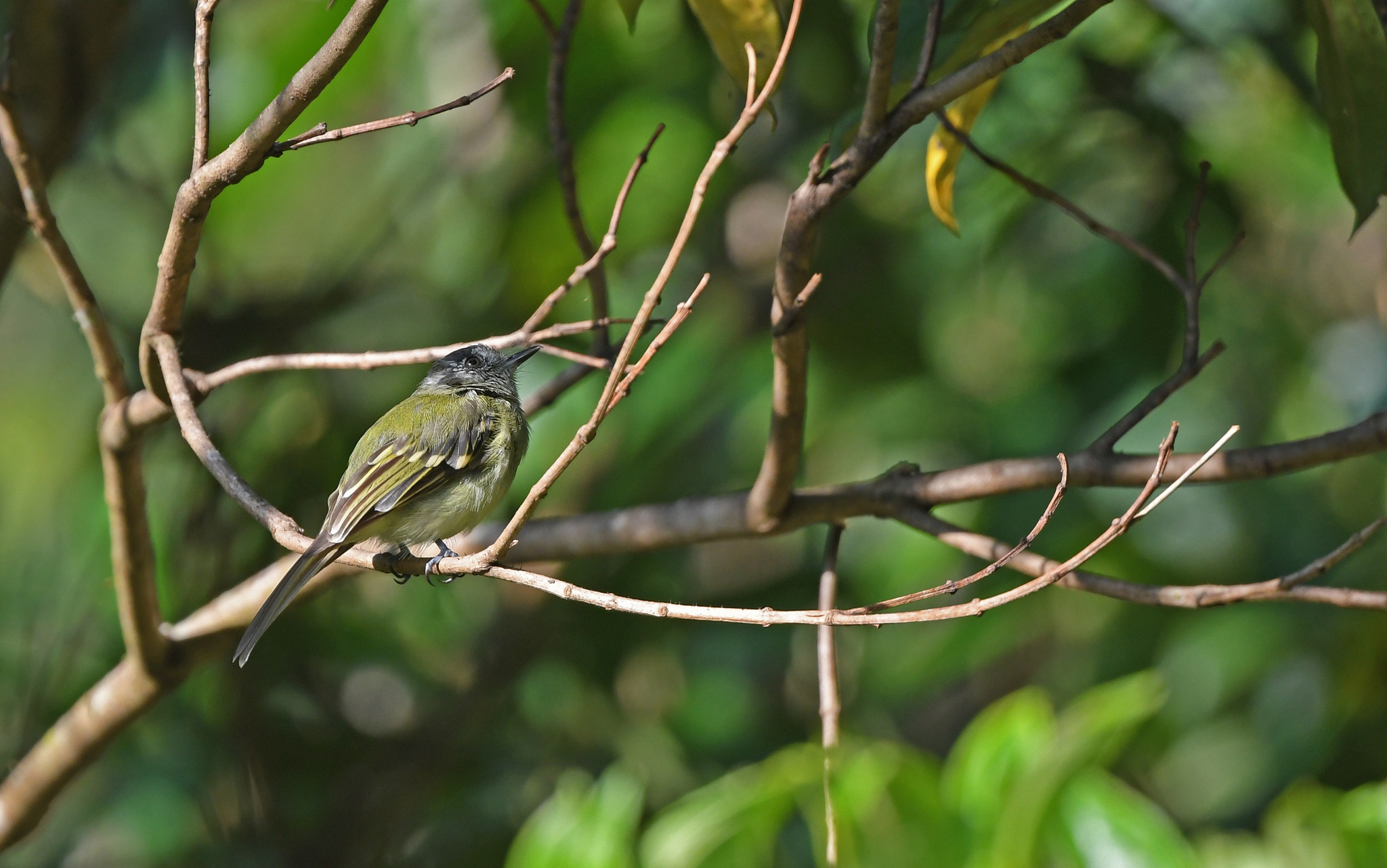 Slaty-capped Flycatcher
In short
The Sepia-capped Flycatcher and Slaty-capped Flycatcher are similar in appearance, but can be distinguished by their head coloration and vocalizations. The Sepia-capped Flycatcher has a more sepia-toned head, while the Slaty-capped Flycatcher features a slaty-gray cap. Listening for their distinct calls can also aid in identification.
Identification tips
- Head Color: Look for the sepia-toned head of the Sepia-capped versus the slaty-gray cap of the Slaty-capped.
- Vocalizations: Listen for the explosive calls of the Sepia-capped, which are distinct from the Slaty-capped.
- Behavior: Note the wing-lifting behavior of the Sepia-capped when perched.
Size
Both species are similar in size, typical of small flycatchers.
Plumage
The Sepia-capped Flycatcher has a sepia-toned head with a dark cheek patch and pale fringe, while the Slaty-capped Flycatcher displays a slaty-gray cap. Both have pale underparts and a similar overall structure.
Behaviour
Both species exhibit typical flycatcher behaviors such as hover-gleaning for insects. The Sepia-capped Flycatcher is noted for its peculiar habit of lifting one wing over its back while perched.
Habitat
Both species inhabit similar ranges in tropical and subtropical forests, often associating with mixed-species flocks.
Voice
The Sepia-capped Flycatcher has explosive vocalizations that seem large for its size. The Slaty-capped Flycatcher's vocalizations differ, but specific details are less documented.
Sepia-capped Flycatcher · Slaty-capped Flycatcher · My Tricky Birds