Birdr

Siberian Crane vs Sarus Crane

Leucogeranus leucogeranus versus Antigone antigone

Play a quiz with Siberian Crane and Sarus Crane
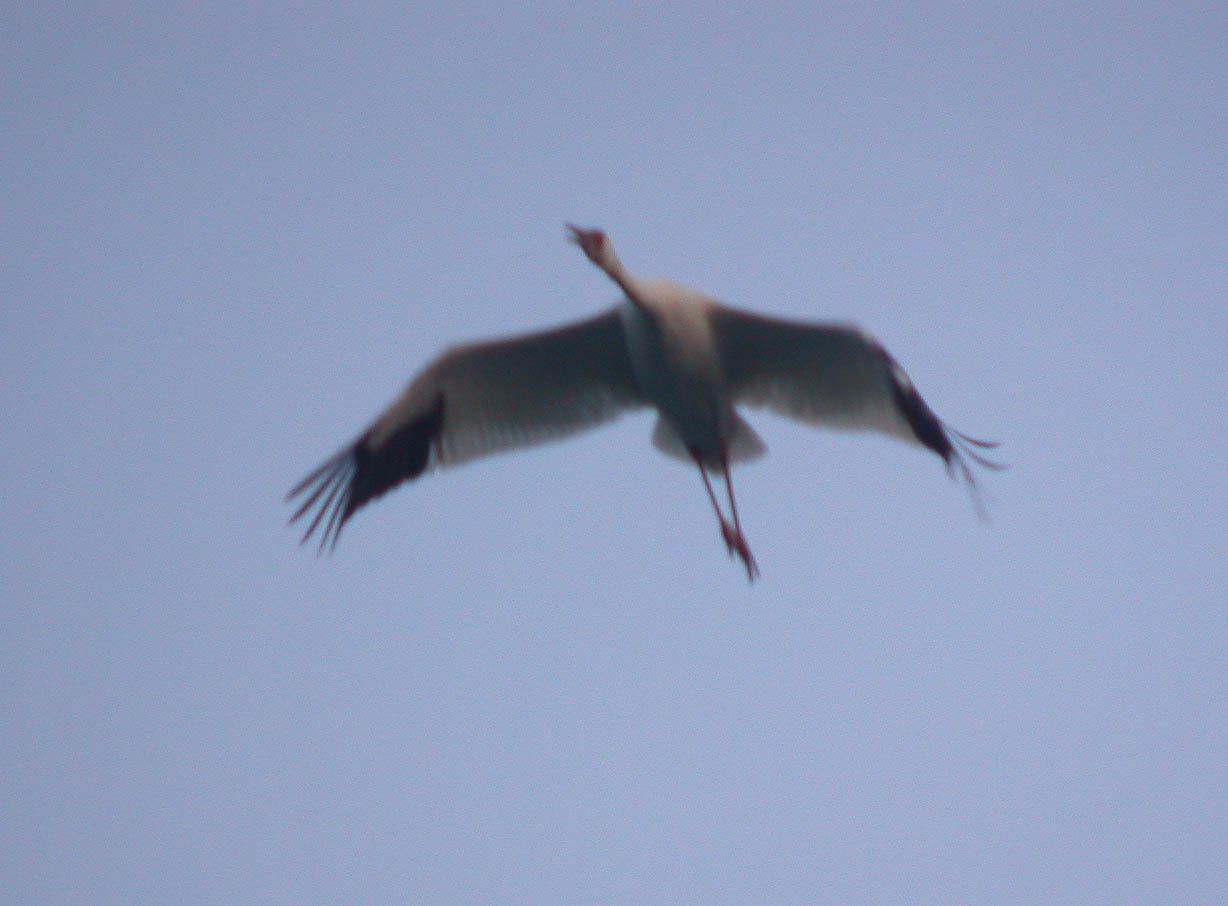
Siberian Crane (Leucogeranus leucogeranus) Siberian Crane
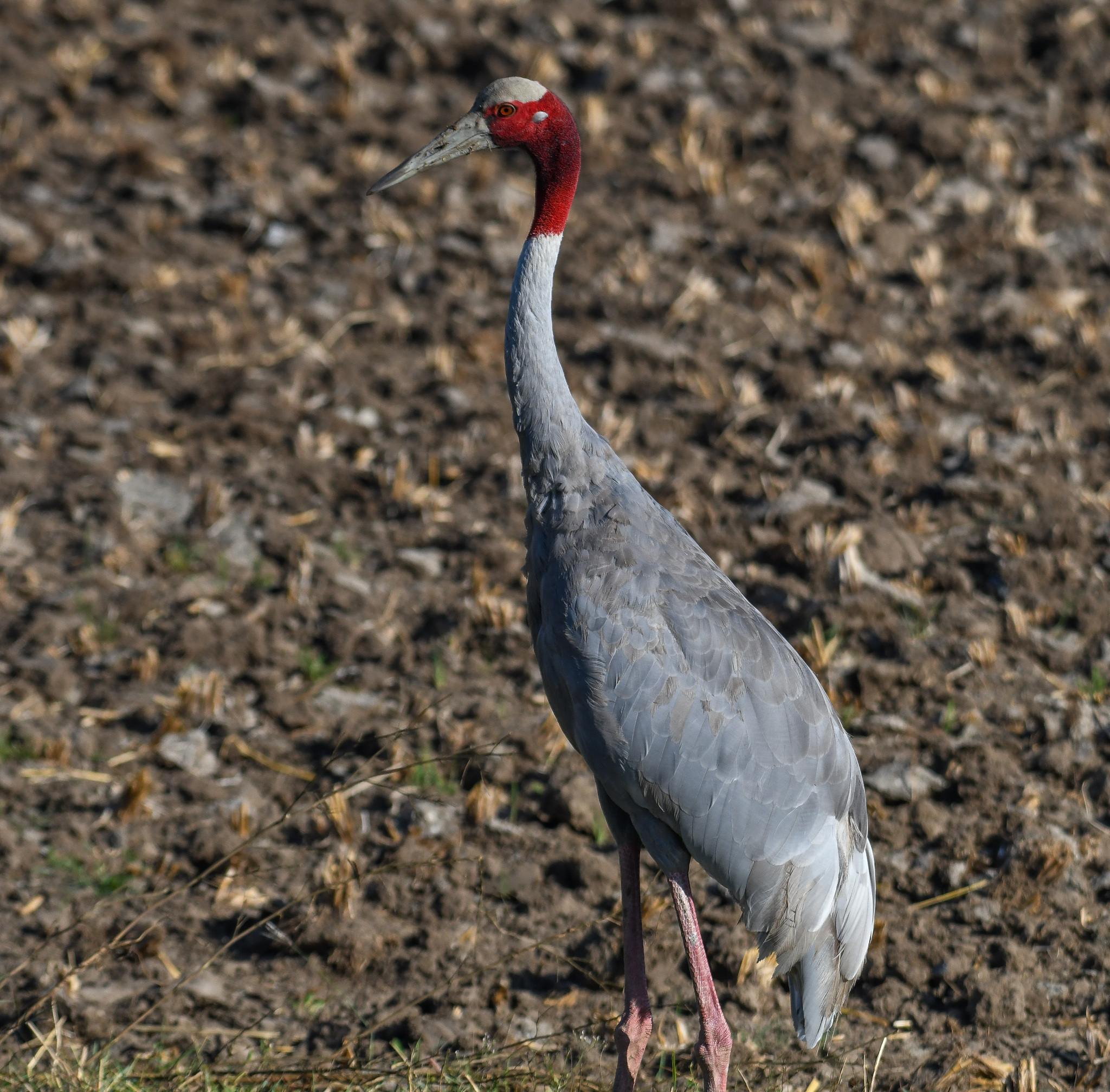
Sarus Crane (Antigone antigone) Sarus Crane

Media

Loading…

In short

The Siberian Crane is predominantly white with black wingtips, while the Sarus Crane has a distinctive red head and upper neck. In flight, the Siberian Crane's black wingtips are a key identifier, contrasting with the Sarus Crane's grey wings. Both species are large, but the Sarus Crane is generally taller.

Identification tips

Look for the white plumage with black wingtips in the Siberian Crane, especially in flight. The red head and neck of the Sarus Crane is a reliable field mark. Consider habitat: Siberian Cranes are more likely in wetlands during migration, while Sarus Cranes may be in agricultural areas. Use size as a secondary cue, with Sarus Cranes being taller.

Size

Both are large cranes, but the Sarus Crane is generally taller and more robust.

Plumage

The Siberian Crane is almost entirely white with black wingtips visible in flight. The Sarus Crane has a grey body with a striking red head and upper neck, which is a key distinguishing feature.

Behaviour

Both species exhibit similar crane behaviors such as dancing and calling, but the Sarus Crane is more often seen in pairs or small family groups.

Habitat

Siberian Cranes are typically found in wetlands during migration, while Sarus Cranes prefer open wetlands and agricultural fields.

Voice

Both species have loud, trumpeting calls, but there are no specific distinguishing vocal characteristics noted between them.

Submit a better description

Use the same sections as the comparison. Your text is published immediately.

The Siberian Crane is predominantly white with black wingtips, while the Sarus Crane has a distinctive red head and upper neck. In flight, the Siberian Crane's black wingtips are a key identifier, contrasting with the Sarus Crane's grey wings. Both species are large, but the Sarus Crane is generally taller.

Look for the white plumage with black wingtips in the Siberian Crane, especially in flight. The red head and neck of the Sarus Crane is a reliable field mark. Consider habitat: Siberian Cranes are more likely in wetlands during migration, while Sarus Cranes may be in agricultural areas. Use size as a secondary cue, with Sarus Cranes being taller.

Both are large cranes, but the Sarus Crane is generally taller and more robust.

The Siberian Crane is almost entirely white with black wingtips visible in flight. The Sarus Crane has a grey body with a striking red head and upper neck, which is a key distinguishing feature.

Both species exhibit similar crane behaviors such as dancing and calling, but the Sarus Crane is more often seen in pairs or small family groups.

Siberian Cranes are typically found in wetlands during migration, while Sarus Cranes prefer open wetlands and agricultural fields.

Both species have loud, trumpeting calls, but there are no specific distinguishing vocal characteristics noted between them.

Discard your changes?

You have unsaved edits. If you leave now, those changes will be lost.

Siberian Crane · Sarus Crane · My Tricky Birds