
Sikkim Wedge-billed Babbler vs Cachar Wedge-billed Babbler
Stachyris humei versus Stachyris roberti
Play a quiz with Sikkim Wedge-billed Babbler and Cachar Wedge-billed Babbler
 Sikkim Wedge-billed Babbler
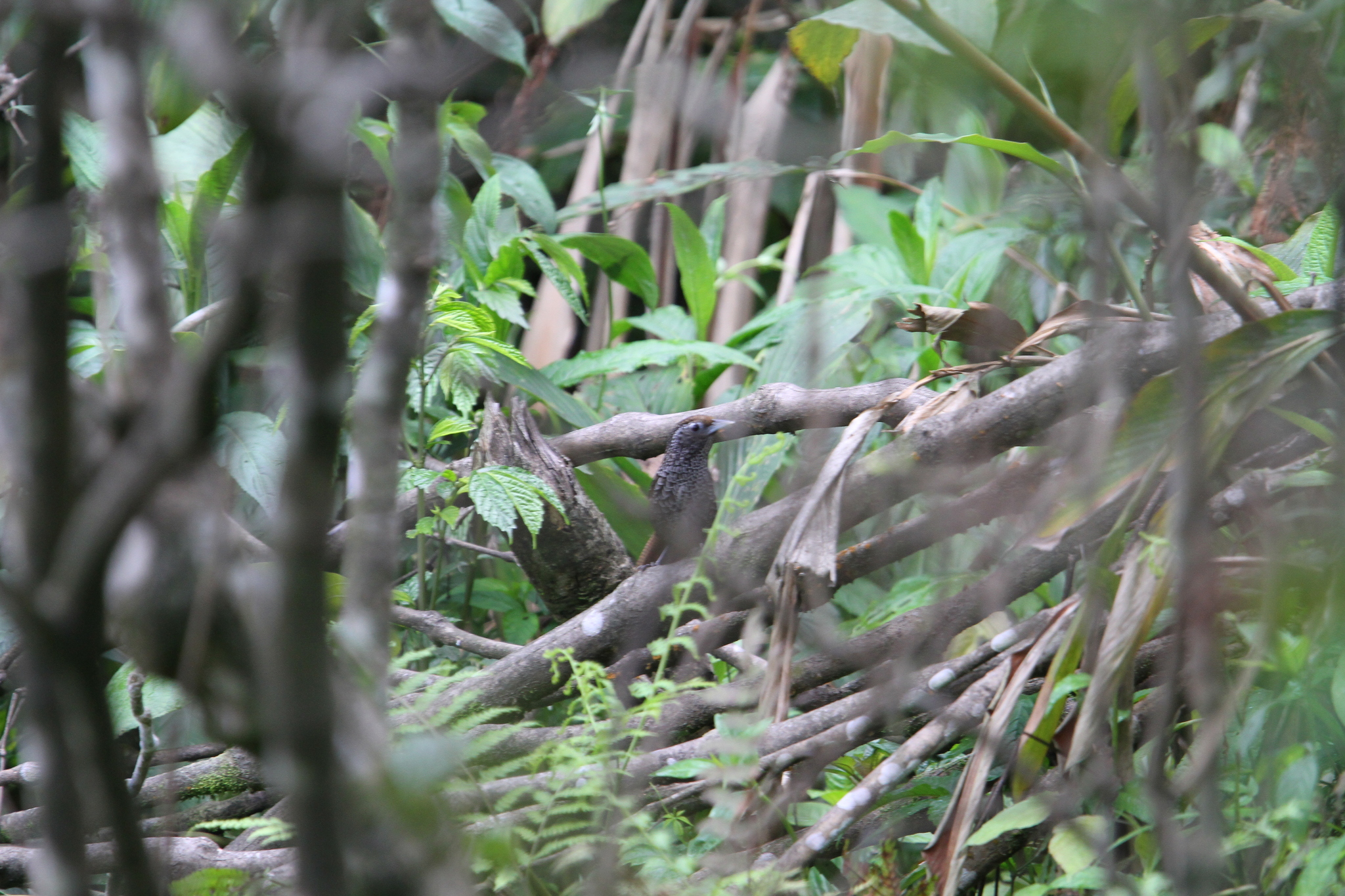 Cachar Wedge-billed Babbler
In short
The Sikkim Wedge-billed Babbler and Cachar Wedge-billed Babbler are closely related species that are best distinguished by their bill shape and size. The Sikkim has a slightly longer and more curved bill compared to the Cachar. Both species share similar plumage patterns, making structural differences more reliable for identification.
Identification tips
- Bill shape: Look for the Sikkim's slightly longer and more curved bill compared to the Cachar's shorter, straighter bill. 2. Habitat elevation: Consider the elevation; the Sikkim is more likely at higher elevations. 3. Plumage: Focus less on plumage due to their similarity. 4. Behavior: Both are secretive; patience is key.
Size
Both species are similar in size, with no significant differences noted.
Plumage
Plumage is generally similar between the two, with both having brownish upperparts and paler underparts. Any differences in tone are subtle and not reliable for field identification.
Behaviour
Behaviorally, both species are skulking and often found in dense undergrowth, making them difficult to observe.
Habitat
Both species inhabit subtropical or tropical moist lowland forests, but the Sikkim is more often associated with higher elevations than the Cachar.
Voice
Vocalizations are not well-documented for these species, and any differences are not reliable for field identification.
Sikkim Wedge-billed Babbler · Cachar Wedge-billed Babbler · My Tricky Birds