
Small Buttonquail vs Pied Wagtail/White Wagtail
Turnix sylvaticus versus Motacilla alba
Play a quiz with Small Buttonquail and Pied Wagtail/White Wagtail
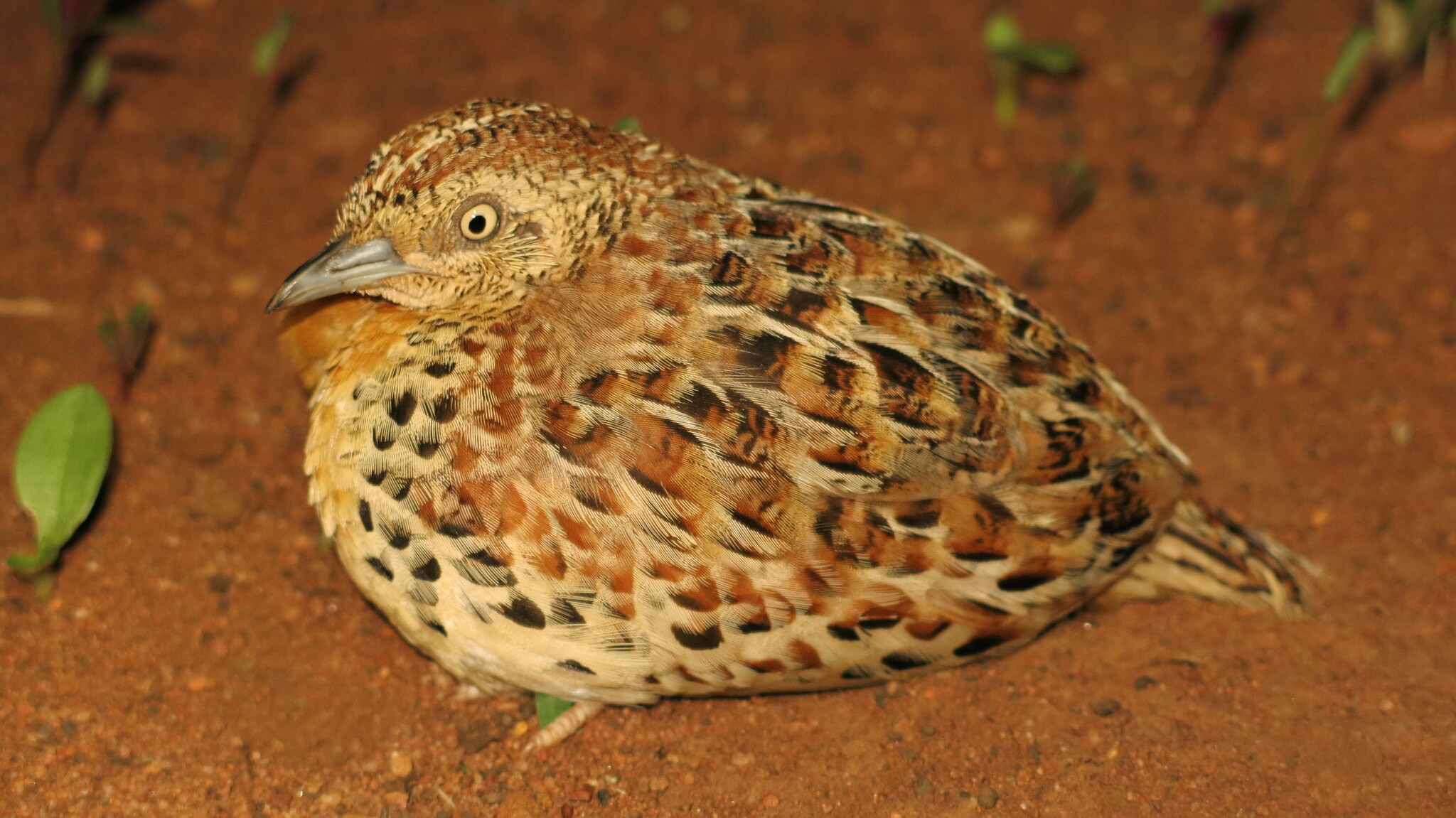 Small Buttonquail
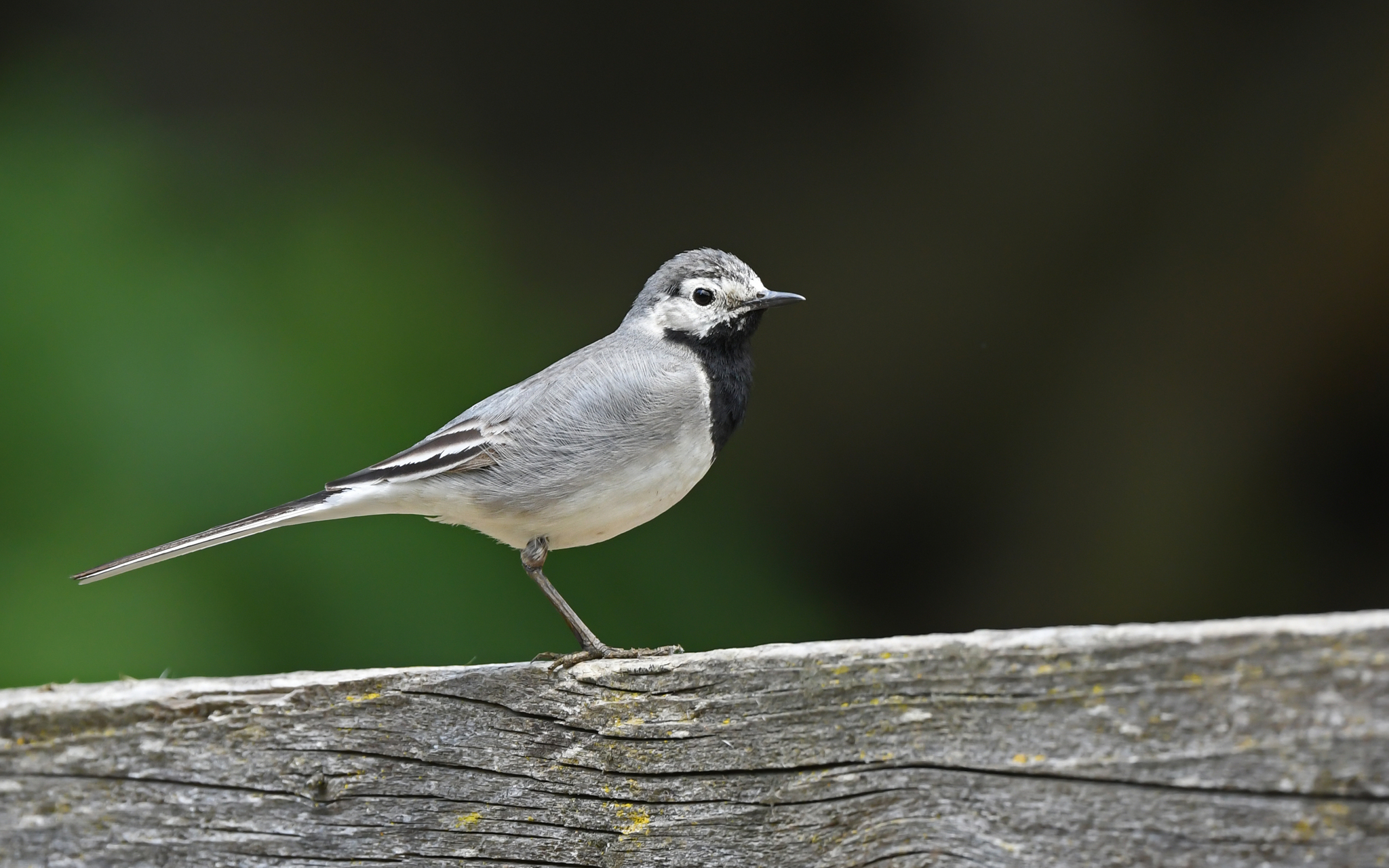 Pied Wagtail/White Wagtail
In short
The Small Buttonquail and the Pied/White Wagtail are easily distinguished by their size, structure, and habitat preferences. The Small Buttonquail is a ground-dwelling bird with a rounded body and short tail, while the Pied/White Wagtail is more slender with a longer tail and is often seen near water. Their plumage and behavior also offer clear differences.
Identification tips
- Size and Shape: Look for the Small Buttonquail's rounded body and short tail compared to the slender, long-tailed Pied/White Wagtail. 2. Plumage: Note the cryptic brown of the Buttonquail versus the contrasting black, white, and gray of the Wagtail. 3. Habitat: Buttonquails are in dry, open areas; Wagtails near water. 4. Behavior: Buttonquails are ground-dwellers; Wagtails are more active and often seen wagging their tails.
Size
The Small Buttonquail is significantly smaller and more compact compared to the slender and longer-tailed Pied/White Wagtail.
Plumage
Small Buttonquail has a cryptic, mottled brown plumage that blends with the ground, while the Pied/White Wagtail is characterized by its contrasting black, white, and gray plumage, with variations depending on the subspecies.
Behaviour
Small Buttonquail is often seen running on the ground and is more secretive, whereas the Pied/White Wagtail is more active, often seen walking or wagging its tail near water.
Habitat
Small Buttonquail prefers dry, open habitats with grass or scrub, while the Pied/White Wagtail is commonly found near water bodies, including rivers and coastlines.
Voice
The vocalizations of the two species differ, with the Small Buttonquail having a series of soft, repetitive calls, while the Pied/White Wagtail has a more varied and melodic song.
Small Buttonquail · Pied Wagtail/White Wagtail · My Tricky Birds