
Snow Bunting vs Ortolan Bunting
Plectrophenax nivalis versus Emberiza hortulana
Play a quiz with Snow Bunting and Ortolan Bunting
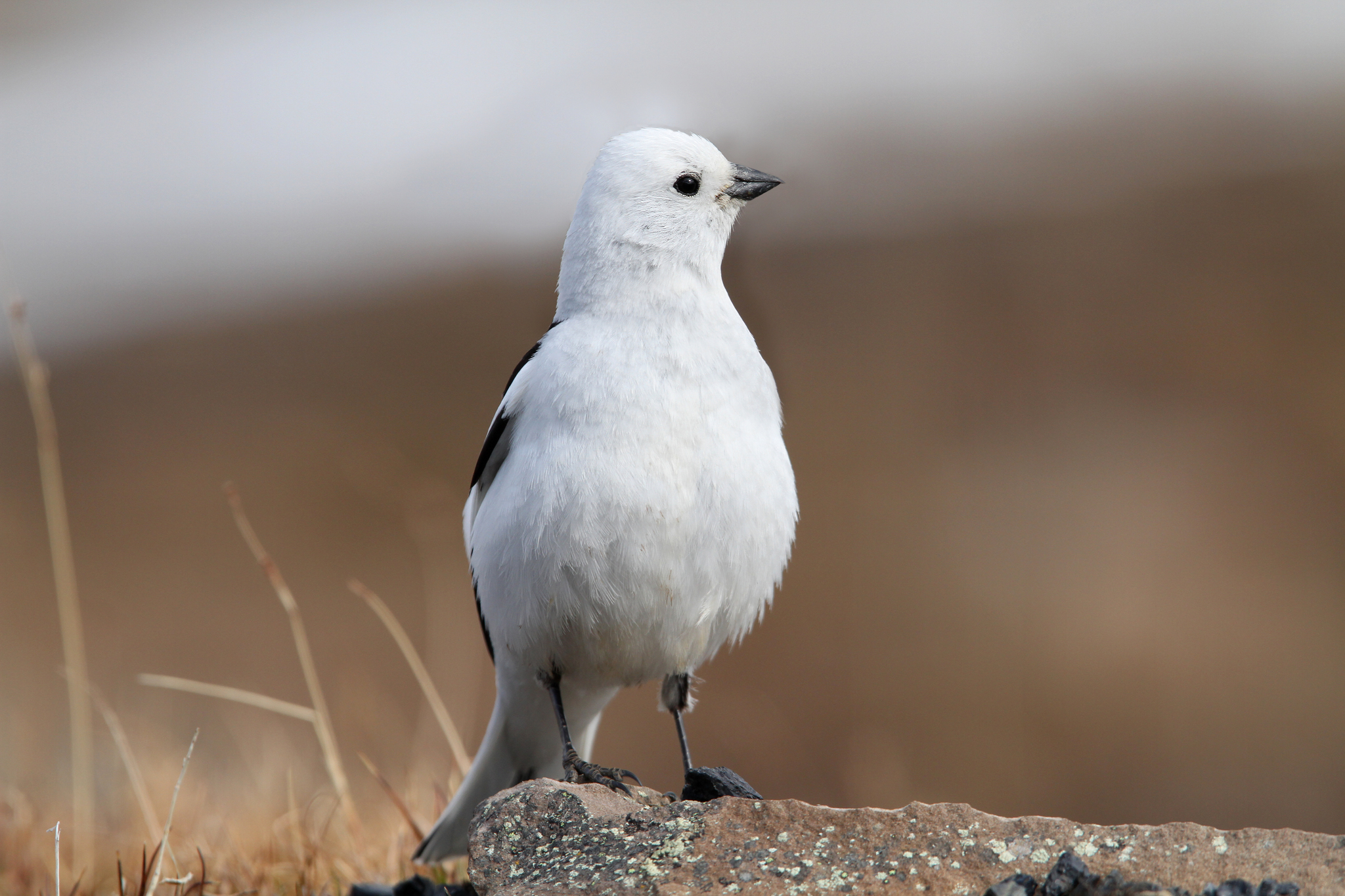 Snow Bunting
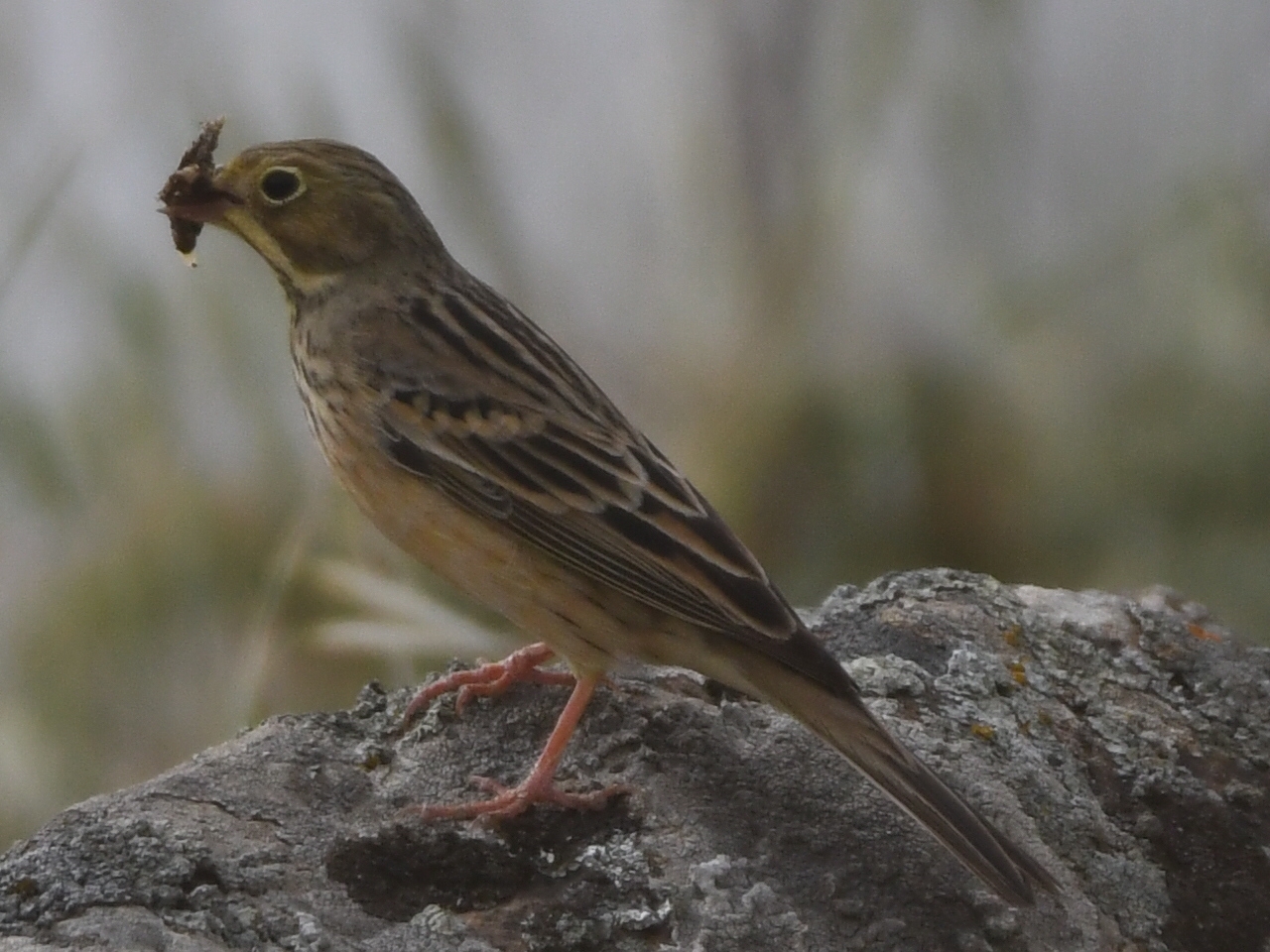 Ortolan Bunting
In short
The Snow Bunting and Ortolan Bunting can be distinguished by their habitat preferences and plumage details. Snow Buntings are typically found in open, snowy environments, while Ortolan Buntings prefer more temperate, open fields and farmlands. Key plumage differences include the Snow Bunting's predominantly white and black coloration compared to the Ortolan Bunting's more muted, earthy tones.
Identification tips
1. Habitat: Snow Buntings in snowy, open areas; Ortolan Buntings in temperate fields. 2. Plumage: Look for the Snow Bunting's white and black contrast versus the Ortolan's earthy tones and yellow throat. 3. Behavior: Snow Buntings often in flocks; Ortolans more solitary. 4. Vocalization: Listen for the Snow Bunting's sweet song and 'tew' call; Ortolan's whistled notes.
Size
Both species are similar in size, but the Snow Bunting may appear slightly bulkier due to its thicker plumage adapted for colder climates.
Plumage
Snow Buntings have a striking contrast of white and black, especially in winter, with males showing more white. Ortolan Buntings have a more subdued appearance with olive-green and brown tones, and a distinctive yellowish throat and chest.
Behaviour
Snow Buntings are often seen in flocks, especially in winter, and may be more ground-oriented in their foraging. Ortolan Buntings are more solitary or found in pairs during the breeding season, often perching on shrubs or low trees.
Habitat
Snow Buntings are found in Arctic and sub-Arctic regions, often in open, snowy landscapes. Ortolan Buntings inhabit temperate open fields, farmlands, and edges of woodlands.
Voice
Snow Buntings have a sweet, musical song and a distinctive 'tew' call. Ortolan Buntings have a more varied song with a series of clear, whistled notes.