Birdr

Southern Pochard vs Rosy-billed Pochard

Netta erythrophthalma versus Netta peposaca

Play a quiz with Southern Pochard and Rosy-billed Pochard
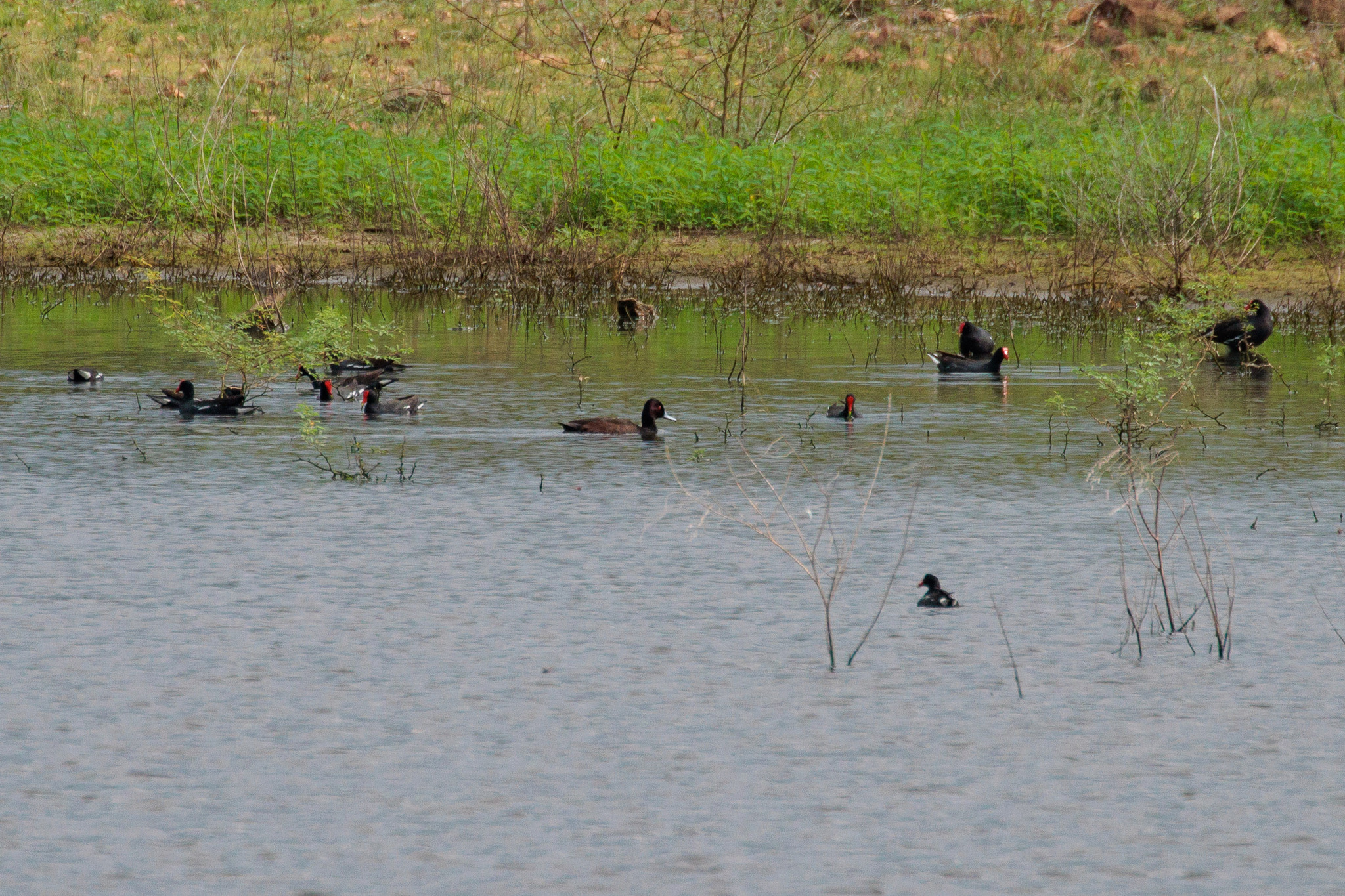
Southern Pochard (Netta erythrophthalma) Southern Pochard
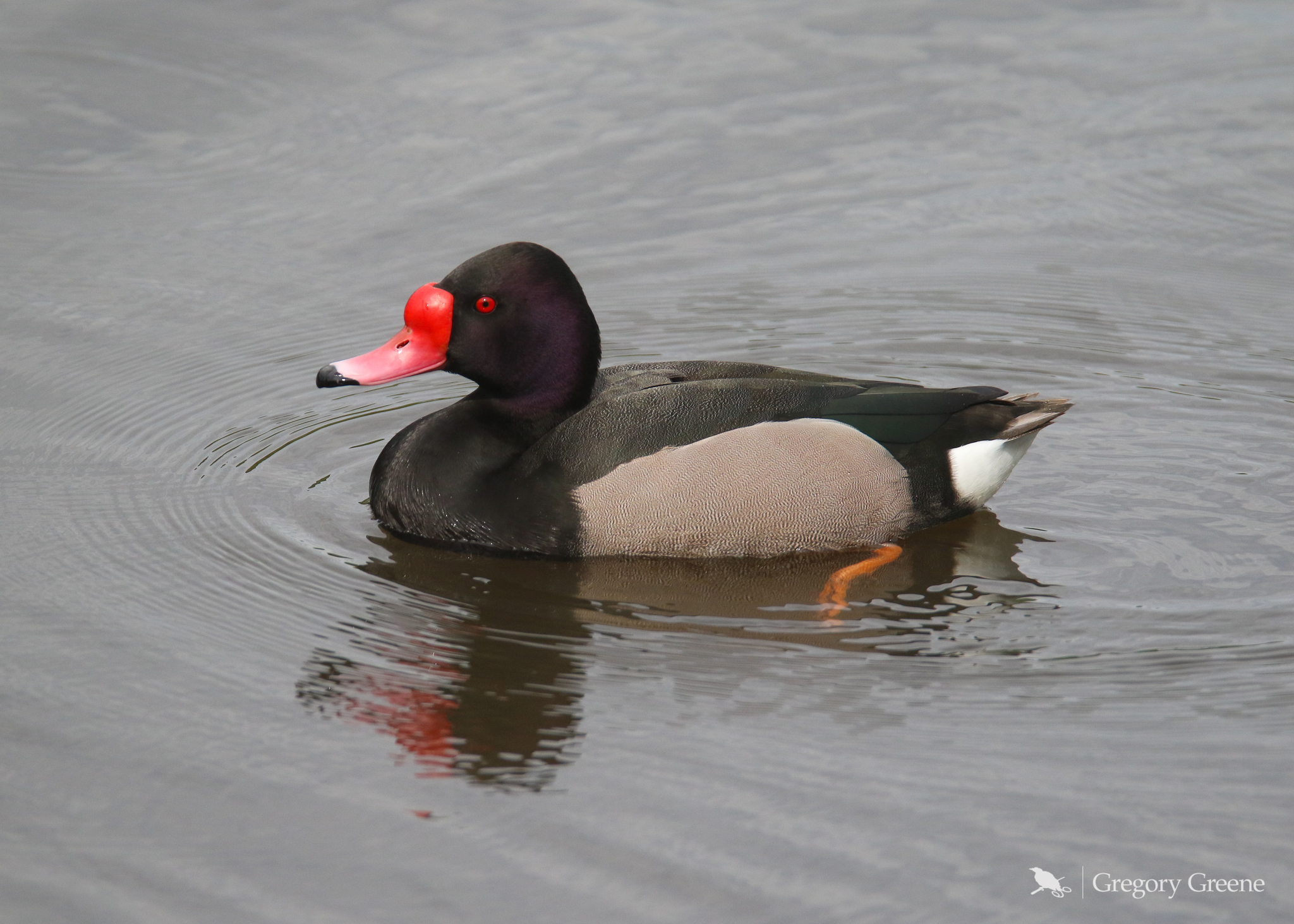
Rosy-billed Pochard (Netta peposaca) Rosy-billed Pochard

Media

Loading…

In short

The Southern Pochard and Rosy-billed Pochard are both diving ducks, but the Rosy-billed Pochard is easily distinguished by its bright rosy-red bill. The Southern Pochard, in contrast, has a more uniform dark bill. Both species are found in freshwater habitats with emergent vegetation.

Identification tips

  1. Look for the rosy-red bill of the Rosy-billed Pochard, especially in males. 2. Note the white wing patches in flight for the Rosy-billed Pochard. 3. Observe the overall dark plumage of the Southern Pochard. 4. Both species are found in similar freshwater habitats, so focus on bill and plumage differences.

Size

Both species are similar in size, typical of medium-sized diving ducks.

Plumage

The Southern Pochard is generally darker with a more uniform brownish body, while the Rosy-billed Pochard has a striking contrast between its dark body and white primaries and secondaries. The male Rosy-billed Pochard also has a distinctive red bill and a black head.

Behaviour

Both species are diving ducks and are often seen diving for food in freshwater bodies.

Habitat

Both species prefer freshwater habitats with ample emergent vegetation, such as lakes and ponds. They may form larger flocks in winter.

Voice

Vocalizations are not a primary distinguishing feature between these two species.

Submit a better description

Use the same sections as the comparison. Your text is published immediately.

The Southern Pochard and Rosy-billed Pochard are both diving ducks, but the Rosy-billed Pochard is easily distinguished by its bright rosy-red bill. The Southern Pochard, in contrast, has a more uniform dark bill. Both species are found in freshwater habitats with emergent vegetation.

  1. Look for the rosy-red bill of the Rosy-billed Pochard, especially in males. 2. Note the white wing patches in flight for the Rosy-billed Pochard. 3. Observe the overall dark plumage of the Southern Pochard. 4. Both species are found in similar freshwater habitats, so focus on bill and plumage differences.

Both species are similar in size, typical of medium-sized diving ducks.

The Southern Pochard is generally darker with a more uniform brownish body, while the Rosy-billed Pochard has a striking contrast between its dark body and white primaries and secondaries. The male Rosy-billed Pochard also has a distinctive red bill and a black head.

Both species are diving ducks and are often seen diving for food in freshwater bodies.

Both species prefer freshwater habitats with ample emergent vegetation, such as lakes and ponds. They may form larger flocks in winter.

Vocalizations are not a primary distinguishing feature between these two species.

Discard your changes?

You have unsaved edits. If you leave now, those changes will be lost.

Southern Pochard · Rosy-billed Pochard · My Tricky Birds