
Spotted Morning-Thrush vs White-starred Robin
Cichladusa guttata versus Pogonocichla stellata
Play a quiz with Spotted Morning-Thrush and White-starred Robin
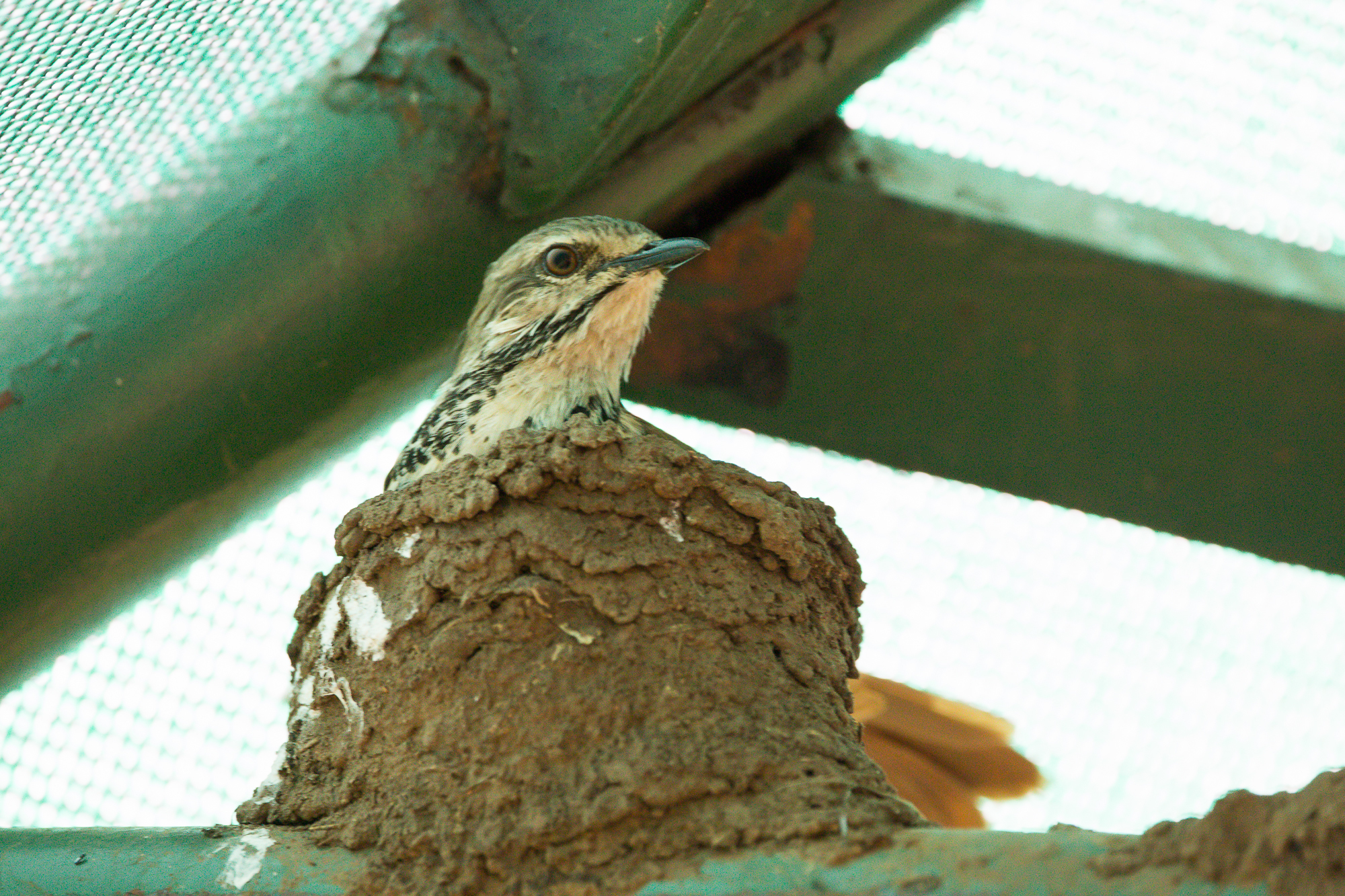 Spotted Morning-Thrush
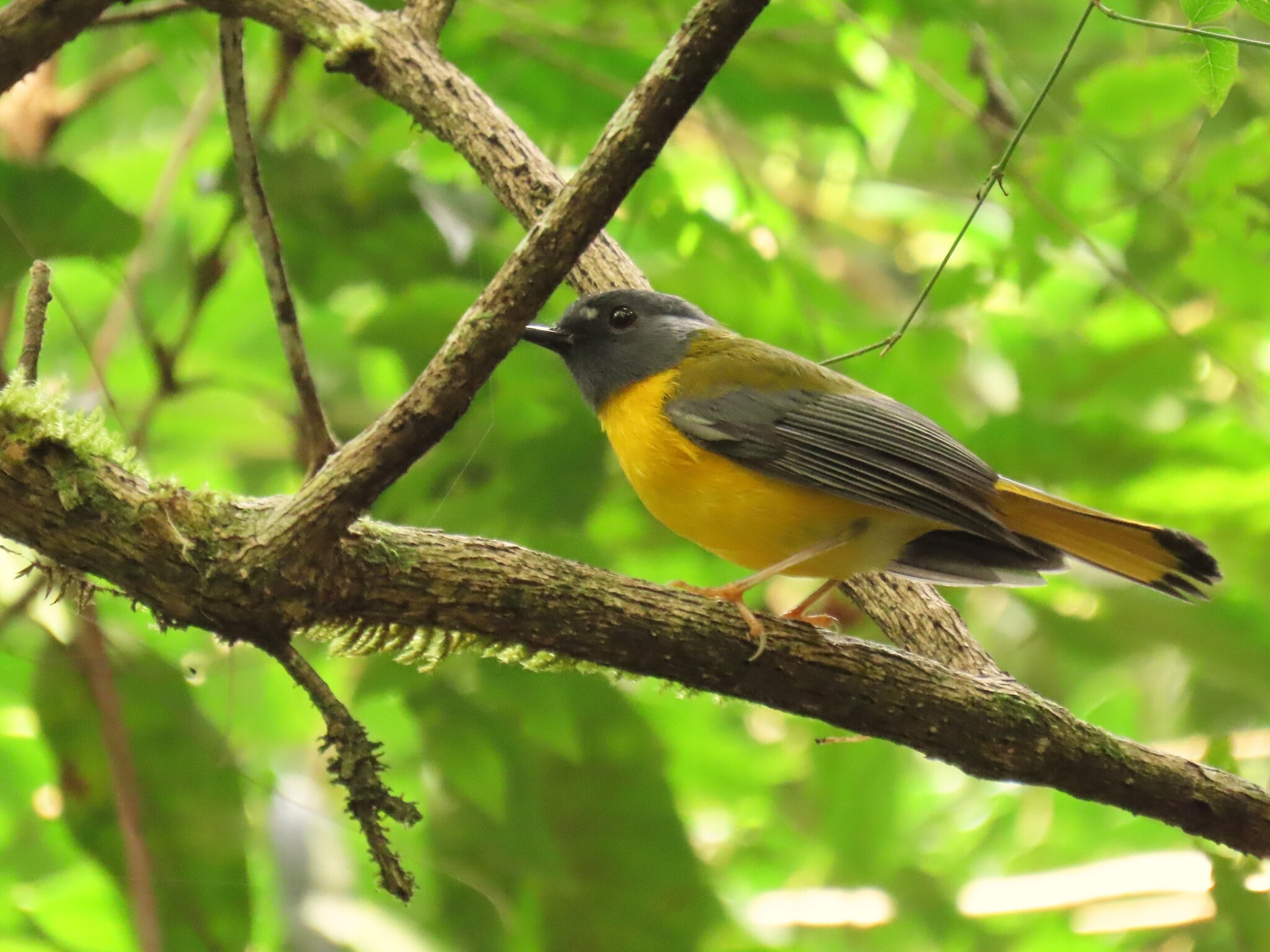 White-starred Robin
In short
The Spotted Morning-Thrush and White-starred Robin can be distinguished by their plumage and habitat preferences. The Spotted Morning-Thrush has a distinctive spotted breast, while the White-starred Robin features prominent white spots on its face. Both species are part of the Old World Flycatchers family, but they occupy different habitats.
Identification tips
- Look for the spotted breast on the Spotted Morning-Thrush.
- Note the white facial spots on the White-starred Robin.
- Consider the habitat: dry woodlands for the Morning-Thrush, moist forests for the Robin.
- Listen for song differences if visible cues are unclear.
Size
Both species are similar in size, typical of small passerines.
Plumage
The Spotted Morning-Thrush has a brownish upper body with a heavily spotted breast, giving it a distinctive appearance. In contrast, the White-starred Robin is more colorful, with a blue-grey upper body and striking white spots on its face and throat, which are more prominent than the spots on the Morning-Thrush.
Behaviour
Both species exhibit typical flycatcher behavior, often seen flitting through the underbrush. However, the Spotted Morning-Thrush is more terrestrial, often foraging on the ground.
Habitat
The Spotted Morning-Thrush prefers dry, open woodlands and savannas, while the White-starred Robin is typically found in moist, montane forests and forest edges.
Voice
The Spotted Morning-Thrush has a melodious song, while the White-starred Robin's vocalizations are more varied and include whistles and trills. Specific song details are not well-documented.
Spotted Morning-Thrush · White-starred Robin · My Tricky Birds