Birdr

Spruce Grouse vs Barred Owl

Canachites canadensis versus Strix varia

Play a quiz with Spruce Grouse and Barred Owl
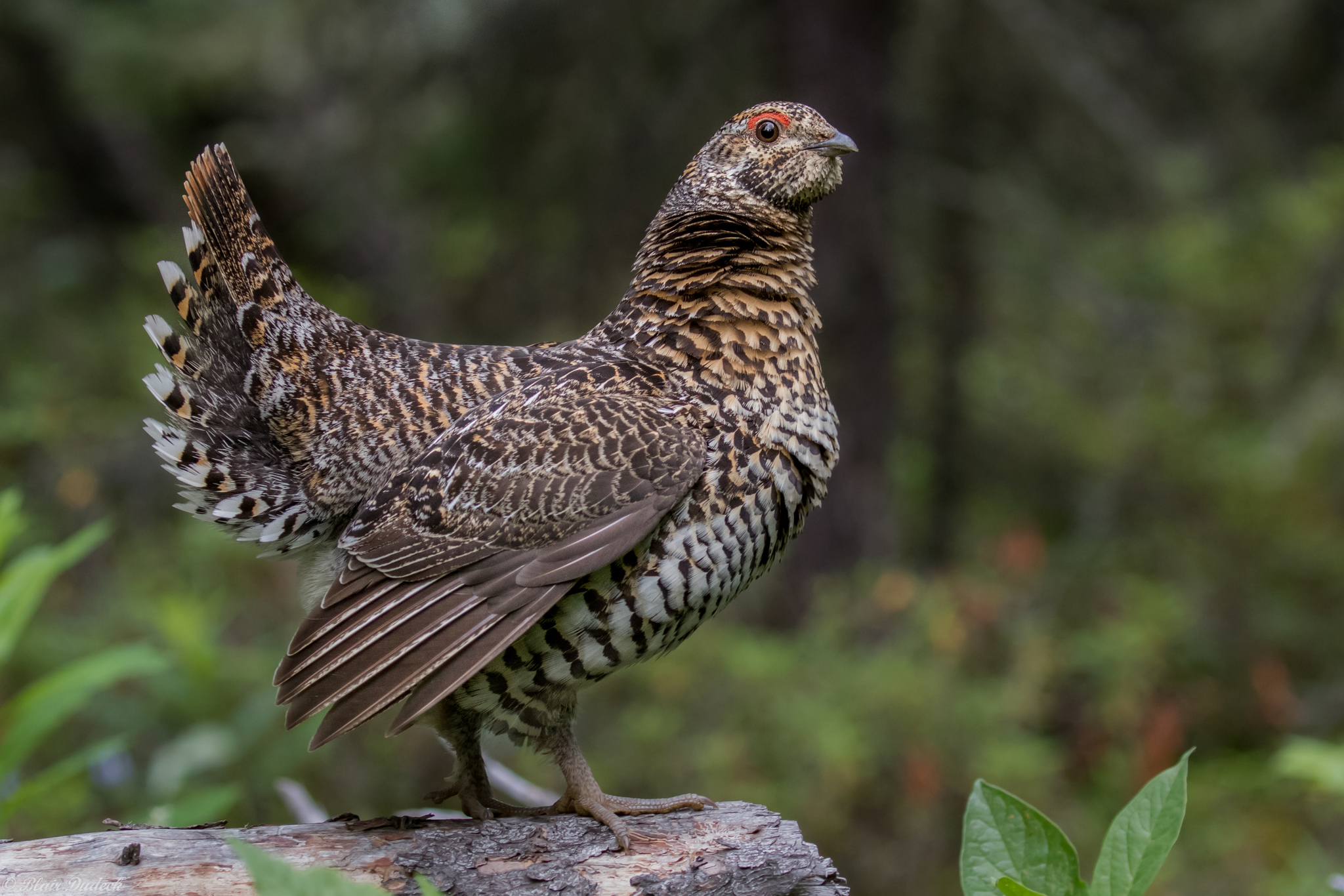
Spruce Grouse (Canachites canadensis) Spruce Grouse
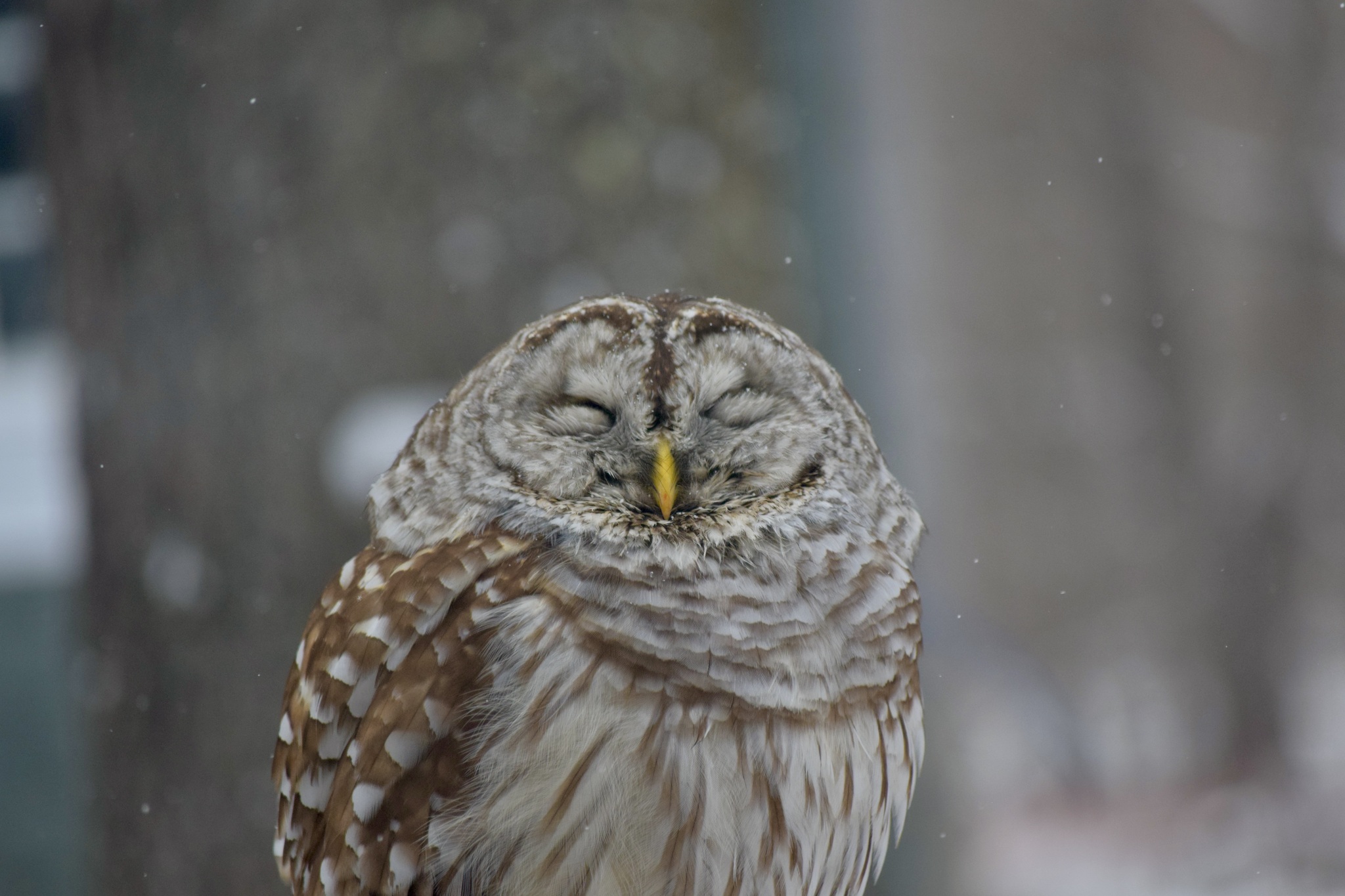
Barred Owl (Strix varia) Barred Owl

Media

Loading…

In short

The Spruce Grouse and Barred Owl are distinct in appearance and behavior, with the grouse being a ground-dwelling bird and the owl a nocturnal raptor. The Spruce Grouse is a small, camouflaged bird of coniferous forests, while the Barred Owl is a larger, vocal bird with distinctive barred plumage and dark eyes.

Identification tips

1. Size: The Barred Owl is much larger than the Spruce Grouse. 2. Plumage: Look for the barred chest and streaked underparts of the Barred Owl versus the mottled, cryptic plumage of the Spruce Grouse. 3. Behavior: Observe the habitat and behavior; Spruce Grouse are often on the ground in coniferous forests, while Barred Owls are more likely to be seen perched in trees and are active at night. 4. Vocalization: Listen for the Barred Owl's distinctive call, as Spruce Grouse are generally silent.

Size

The Barred Owl is significantly larger than the Spruce Grouse, with a length of 43–50 cm compared to the smaller grouse.

Plumage

Spruce Grouse have cryptic plumage with mottled brown and gray tones, aiding in camouflage among conifers. Barred Owls have a distinctive barred pattern across the chest and streaked underparts, with a brownish-gray head and back.

Behaviour

Spruce Grouse are ground-dwelling and often remain still to avoid detection, while Barred Owls are more active at night and are known for their vocalizations.

Habitat

Spruce Grouse inhabit coniferous forests, particularly spruce and pine, while Barred Owls prefer mixed and deciduous woodlands, often near water.

Voice

Barred Owls are known for their distinctive call, "Who cooks for you? Who cooks for you all?", whereas Spruce Grouse are generally silent and rely on visual camouflage.

Submit a better description

Use the same sections as the comparison. Your text is published immediately.

The Spruce Grouse and Barred Owl are distinct in appearance and behavior, with the grouse being a ground-dwelling bird and the owl a nocturnal raptor. The Spruce Grouse is a small, camouflaged bird of coniferous forests, while the Barred Owl is a larger, vocal bird with distinctive barred plumage and dark eyes.

1. Size: The Barred Owl is much larger than the Spruce Grouse. 2. Plumage: Look for the barred chest and streaked underparts of the Barred Owl versus the mottled, cryptic plumage of the Spruce Grouse. 3. Behavior: Observe the habitat and behavior; Spruce Grouse are often on the ground in coniferous forests, while Barred Owls are more likely to be seen perched in trees and are active at night. 4. Vocalization: Listen for the Barred Owl's distinctive call, as Spruce Grouse are generally silent.

The Barred Owl is significantly larger than the Spruce Grouse, with a length of 43–50 cm compared to the smaller grouse.

Spruce Grouse have cryptic plumage with mottled brown and gray tones, aiding in camouflage among conifers. Barred Owls have a distinctive barred pattern across the chest and streaked underparts, with a brownish-gray head and back.

Spruce Grouse are ground-dwelling and often remain still to avoid detection, while Barred Owls are more active at night and are known for their vocalizations.

Spruce Grouse inhabit coniferous forests, particularly spruce and pine, while Barred Owls prefer mixed and deciduous woodlands, often near water.

Barred Owls are known for their distinctive call, "Who cooks for you? Who cooks for you all?", whereas Spruce Grouse are generally silent and rely on visual camouflage.

Discard your changes?

You have unsaved edits. If you leave now, those changes will be lost.

Spruce Grouse · Barred Owl · My Tricky Birds