Birdr

Stone-curlew vs Wood Warbler

Burhinus oedicnemus versus Phylloscopus sibilatrix

Play a quiz with Stone-curlew and Wood Warbler
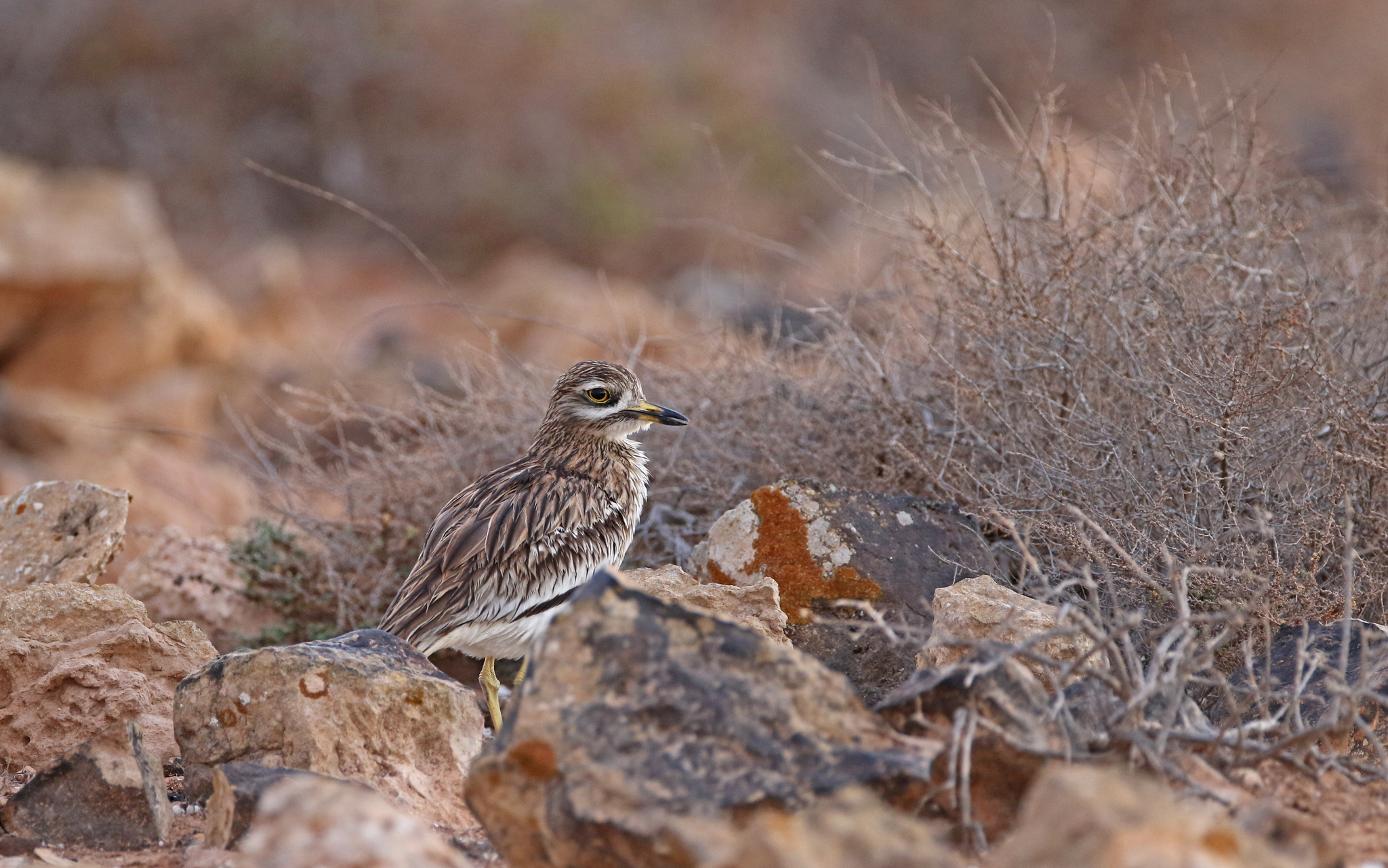
Stone-curlew (Burhinus oedicnemus) Stone-curlew
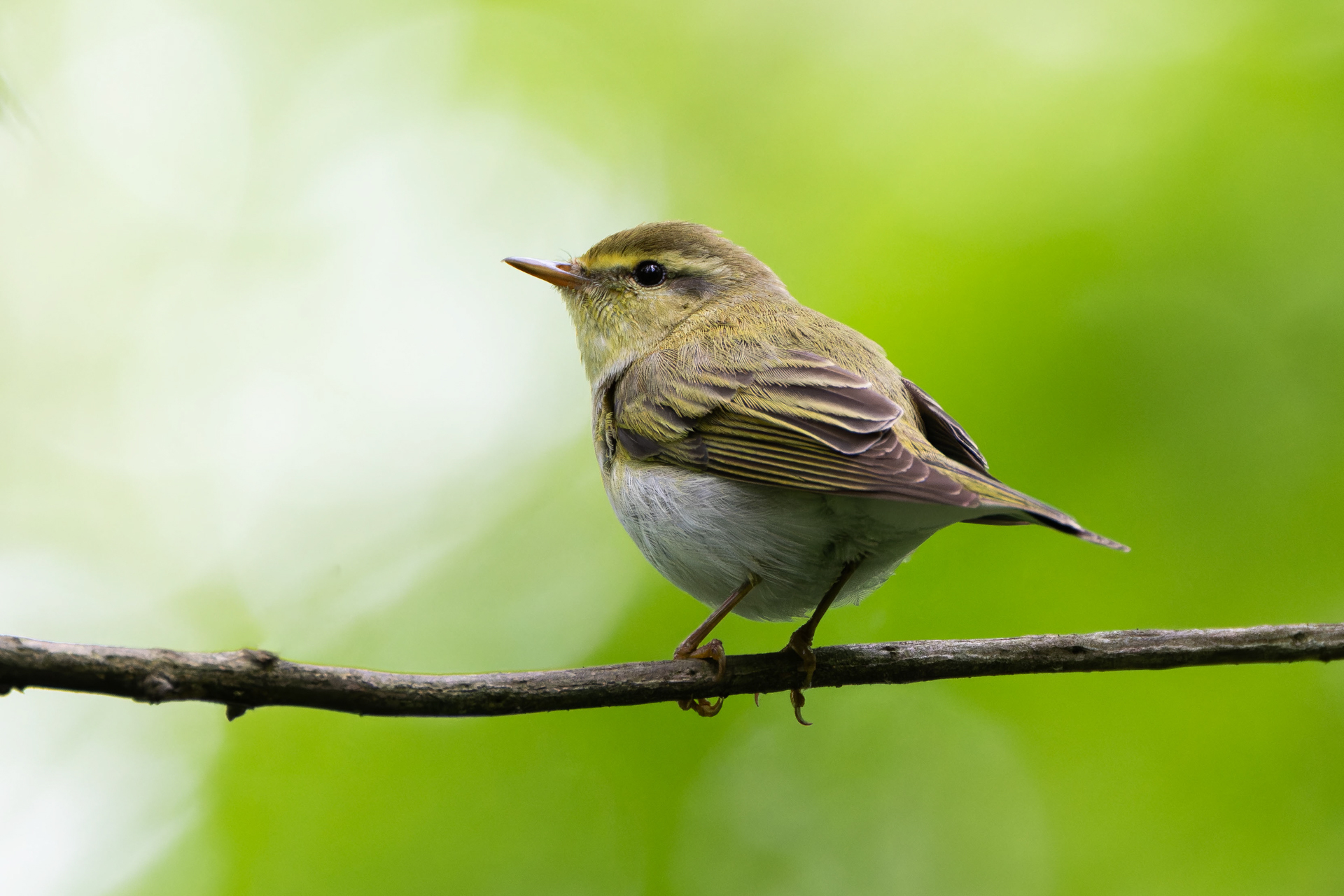
Wood Warbler (Phylloscopus sibilatrix) Wood Warbler

Media

Loading…

In short

The Stone-curlew and Wood Warbler are easily distinguished by size and habitat. The Stone-curlew is a large, ground-dwelling bird with a robust body and strong legs, while the Wood Warbler is a small, agile songbird often found in trees. Their vocalizations and behavior in the field also differ significantly.

Identification tips

  1. Size and shape: Look for the large, ground-dwelling Stone-curlew versus the small, tree-dwelling Wood Warbler. 2. Habitat: Stone-curlews are in open areas; Wood Warblers are in woodlands. 3. Plumage: Note the Stone-curlew's cryptic brown plumage versus the Wood Warbler's green and yellow. 4. Vocalizations: Listen for the Stone-curlew's wailing call and the Wood Warbler's accelerating trill.

Size

The Stone-curlew is much larger, with a robust build and long legs, whereas the Wood Warbler is small and slender.

Plumage

Stone-curlews have cryptic, sandy-brown plumage with bold yellow eyes, suited for camouflage on the ground. Wood Warblers are bright greenish above with a yellow throat and white belly, more conspicuous in foliage.

Behaviour

Stone-curlews are often seen standing still or walking slowly on the ground, especially in open areas. Wood Warblers are active and flit through trees, often hovering while feeding.

Habitat

Stone-curlews prefer open, dry habitats like grasslands and semi-deserts. Wood Warblers are found in deciduous or mixed woodlands, particularly in areas with dense canopy.

Voice

Stone-curlews have a loud, wailing call, often heard at night. Wood Warblers produce a distinctive, high-pitched trill that accelerates towards the end.

Submit a better description

Use the same sections as the comparison. Your text is published immediately.

The Stone-curlew and Wood Warbler are easily distinguished by size and habitat. The Stone-curlew is a large, ground-dwelling bird with a robust body and strong legs, while the Wood Warbler is a small, agile songbird often found in trees. Their vocalizations and behavior in the field also differ significantly.

  1. Size and shape: Look for the large, ground-dwelling Stone-curlew versus the small, tree-dwelling Wood Warbler. 2. Habitat: Stone-curlews are in open areas; Wood Warblers are in woodlands. 3. Plumage: Note the Stone-curlew's cryptic brown plumage versus the Wood Warbler's green and yellow. 4. Vocalizations: Listen for the Stone-curlew's wailing call and the Wood Warbler's accelerating trill.

The Stone-curlew is much larger, with a robust build and long legs, whereas the Wood Warbler is small and slender.

Stone-curlews have cryptic, sandy-brown plumage with bold yellow eyes, suited for camouflage on the ground. Wood Warblers are bright greenish above with a yellow throat and white belly, more conspicuous in foliage.

Stone-curlews are often seen standing still or walking slowly on the ground, especially in open areas. Wood Warblers are active and flit through trees, often hovering while feeding.

Stone-curlews prefer open, dry habitats like grasslands and semi-deserts. Wood Warblers are found in deciduous or mixed woodlands, particularly in areas with dense canopy.

Stone-curlews have a loud, wailing call, often heard at night. Wood Warblers produce a distinctive, high-pitched trill that accelerates towards the end.

Discard your changes?

You have unsaved edits. If you leave now, those changes will be lost.

Stone-curlew · Wood Warbler · My Tricky Birds