Birdr

Sumichrast's Wren vs Nava's Wren

Hylorchilus sumichrasti versus Hylorchilus navai

Play a quiz with Sumichrast's Wren and Nava's Wren
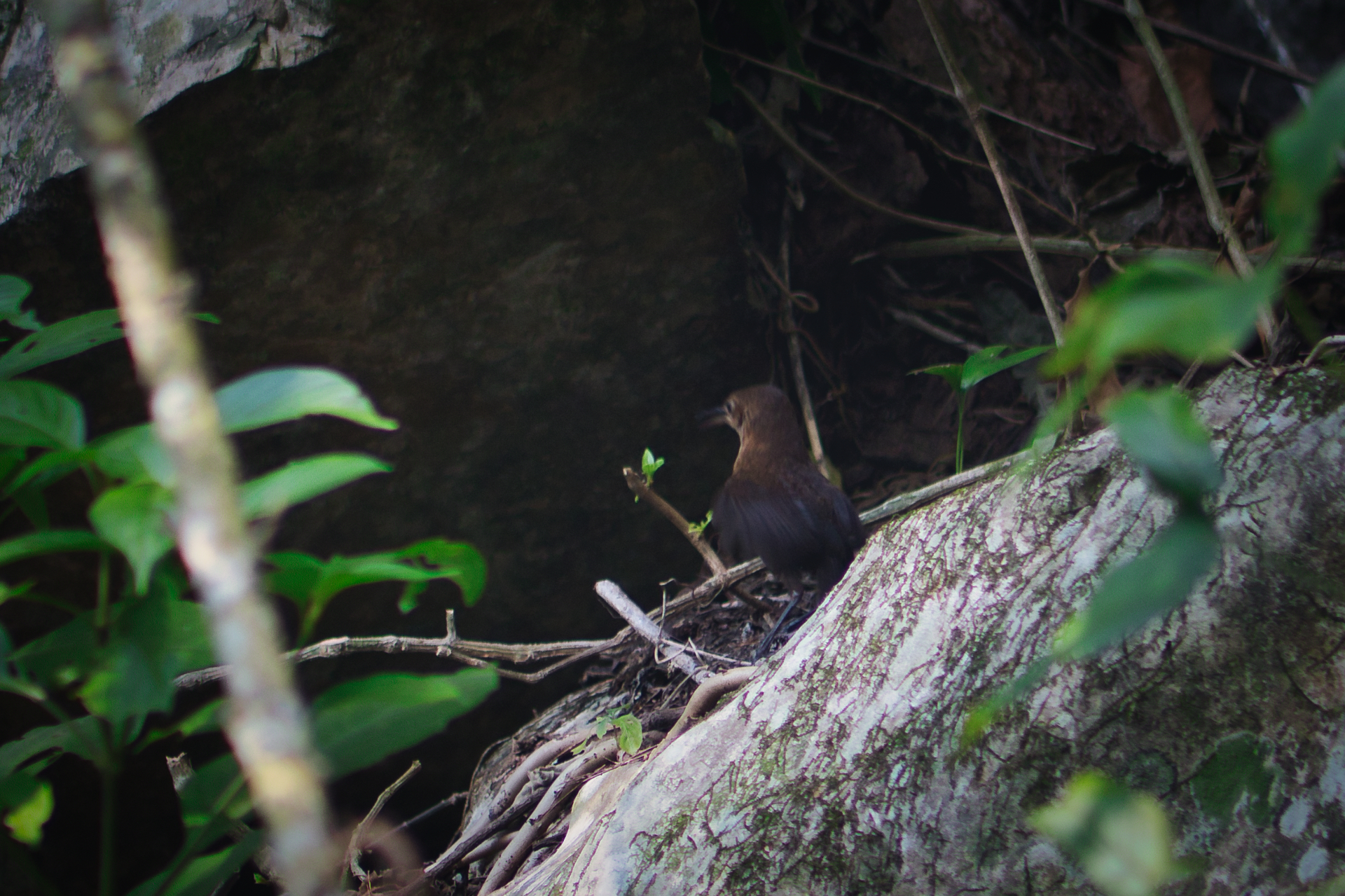
Sumichrast's Wren (Hylorchilus sumichrasti) Sumichrast's Wren
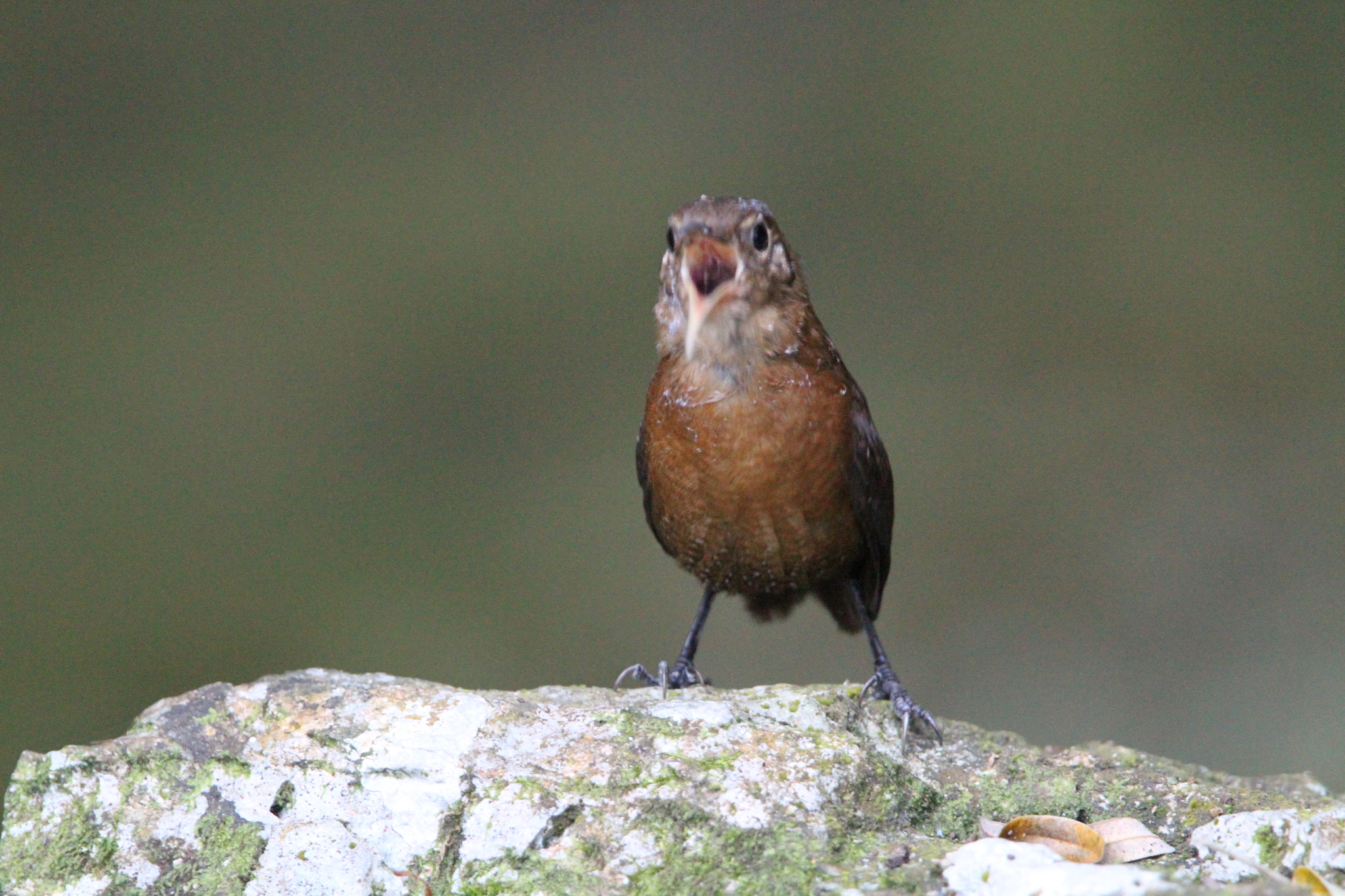
Nava's Wren (Hylorchilus navai) Nava's Wren

Media

Loading…

In short

Sumichrast's Wren and Nava's Wren are closely related Mexican endemics, making them challenging to differentiate. Both species share similar plumage and structure, but subtle differences in their habitat preferences and vocalizations can aid identification.

Identification tips

  1. Habitat: Note the type of forest or degraded area you are in, as this can indicate which species is more likely. 2. Vocalizations: Pay attention to any vocal differences, as these can be more reliable than visual cues. 3. Behavior: Observe foraging behavior and movement patterns, which might offer subtle clues.

Size

Both species are similar in size, typical of small wrens, with no significant differences in overall body size.

Plumage

Plumage is generally similar between the two, with both having a brownish coloration and subtle streaking. Specific plumage differences are not well-documented, making visual identification challenging.

Behaviour

Both species exhibit typical wren behavior, such as foraging for invertebrates and small fruits, and are often seen skulking in dense undergrowth.

Habitat

Sumichrast's Wren is found in degraded habitats, while Nava's Wren occupies naturally patchy forests. These habitat preferences can be a useful clue when identifying these species in the field.

Voice

Vocalizations are a key differentiator, but specific call details are not provided. Birders should listen for differences in song and call patterns when possible.

Submit a better description

Use the same sections as the comparison. Your text is published immediately.

Sumichrast's Wren and Nava's Wren are closely related Mexican endemics, making them challenging to differentiate. Both species share similar plumage and structure, but subtle differences in their habitat preferences and vocalizations can aid identification.

  1. Habitat: Note the type of forest or degraded area you are in, as this can indicate which species is more likely. 2. Vocalizations: Pay attention to any vocal differences, as these can be more reliable than visual cues. 3. Behavior: Observe foraging behavior and movement patterns, which might offer subtle clues.

Both species are similar in size, typical of small wrens, with no significant differences in overall body size.

Plumage is generally similar between the two, with both having a brownish coloration and subtle streaking. Specific plumage differences are not well-documented, making visual identification challenging.

Both species exhibit typical wren behavior, such as foraging for invertebrates and small fruits, and are often seen skulking in dense undergrowth.

Sumichrast's Wren is found in degraded habitats, while Nava's Wren occupies naturally patchy forests. These habitat preferences can be a useful clue when identifying these species in the field.

Vocalizations are a key differentiator, but specific call details are not provided. Birders should listen for differences in song and call patterns when possible.

Discard your changes?

You have unsaved edits. If you leave now, those changes will be lost.

Sumichrast's Wren · Nava's Wren · My Tricky Birds