Birdr

Sykes's Warbler vs Icterine Warbler

Iduna rama versus Hippolais icterina

Play a quiz with Sykes's Warbler and Icterine Warbler
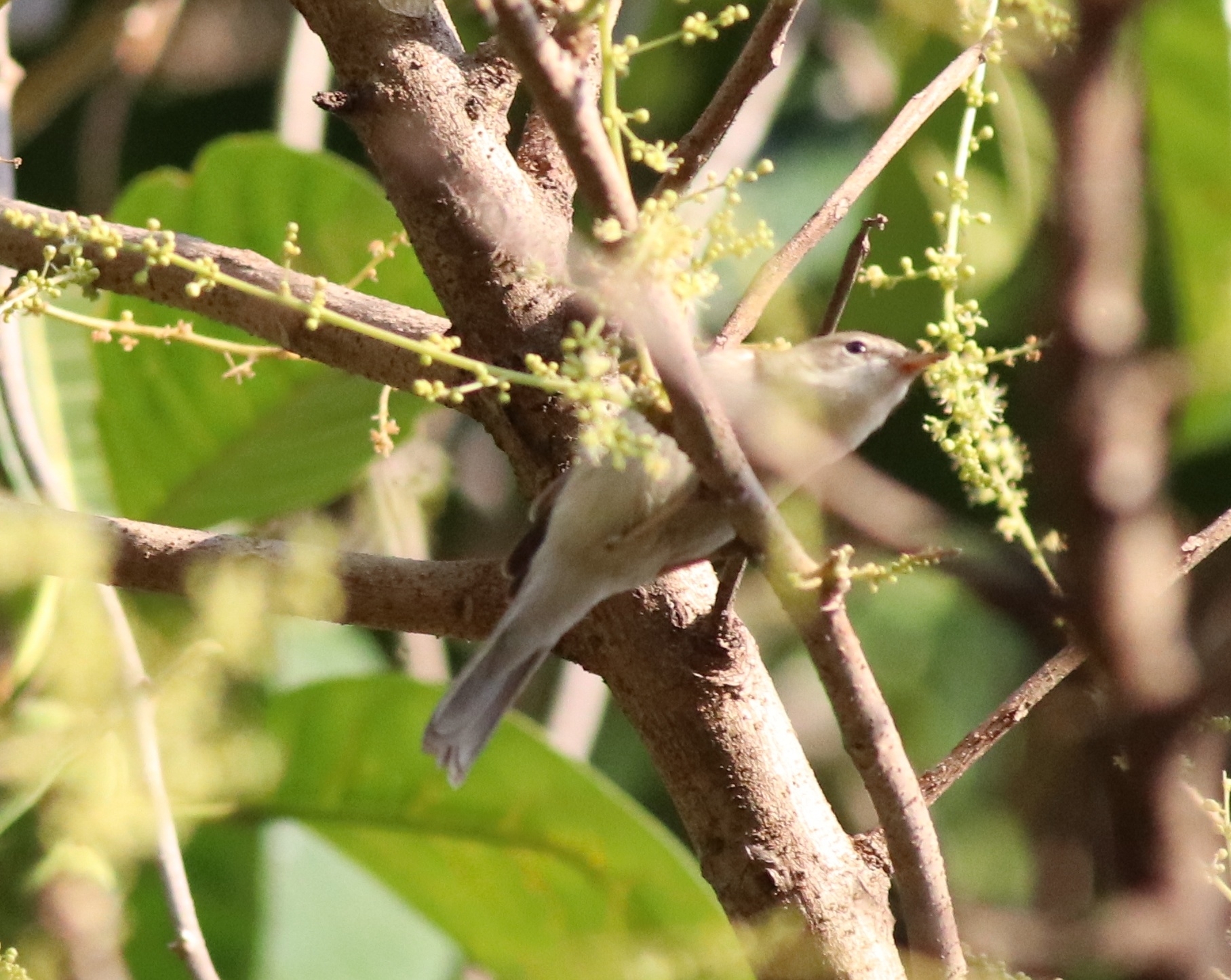
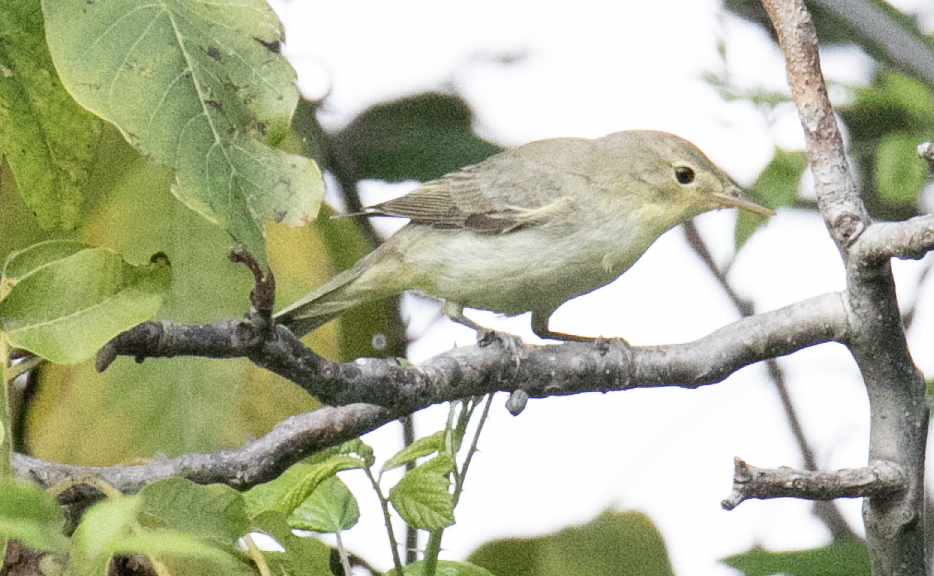
Sykes's Warbler (Iduna rama) Sykes's Warbler
Icterine Warbler (Hippolais icterina) Icterine Warbler

Media

Loading…

In short

To distinguish Sykes's Warbler from the Icterine Warbler, focus on the structure and plumage. Sykes's Warbler has a shorter primary projection and a more subdued plumage compared to the brighter Icterine Warbler. Vocalizations also differ significantly, aiding identification.

Identification tips

  1. Primary Projection: Sykes's Warbler has a shorter primary projection compared to the Icterine Warbler. 2. Plumage Tone: Look for the brighter yellowish-green of the Icterine Warbler versus the duller brownish-olive of Sykes's Warbler. 3. Supercilium: The Icterine Warbler's supercilium is more prominent. 4. Vocalization: Listen for the Icterine Warbler's varied song, contrasting with the simpler notes of Sykes's Warbler. 5. Habitat: Consider the habitat; Sykes's Warbler favors drier areas, while Icterine Warbler is found in more wooded environments.

Size

Both species are similar in size, but the Icterine Warbler appears slightly bulkier.

Plumage

Sykes's Warbler has a more muted brownish-olive plumage with a less pronounced supercilium, whereas the Icterine Warbler displays a brighter yellowish-green tone with a more distinct pale supercilium.

Behaviour

Both species exhibit similar behavior, often seen actively foraging in foliage, but Icterine Warbler may appear more conspicuous due to its brighter plumage.

Habitat

Sykes's Warbler is more often found in dry, scrubby habitats, while the Icterine Warbler prefers deciduous woodlands and gardens.

Voice

The Icterine Warbler has a more varied and melodious song compared to the simpler, repetitive song of Sykes's Warbler.

Submit a better description

Use the same sections as the comparison. Your text is published immediately.

To distinguish Sykes's Warbler from the Icterine Warbler, focus on the structure and plumage. Sykes's Warbler has a shorter primary projection and a more subdued plumage compared to the brighter Icterine Warbler. Vocalizations also differ significantly, aiding identification.

  1. Primary Projection: Sykes's Warbler has a shorter primary projection compared to the Icterine Warbler. 2. Plumage Tone: Look for the brighter yellowish-green of the Icterine Warbler versus the duller brownish-olive of Sykes's Warbler. 3. Supercilium: The Icterine Warbler's supercilium is more prominent. 4. Vocalization: Listen for the Icterine Warbler's varied song, contrasting with the simpler notes of Sykes's Warbler. 5. Habitat: Consider the habitat; Sykes's Warbler favors drier areas, while Icterine Warbler is found in more wooded environments.

Both species are similar in size, but the Icterine Warbler appears slightly bulkier.

Sykes's Warbler has a more muted brownish-olive plumage with a less pronounced supercilium, whereas the Icterine Warbler displays a brighter yellowish-green tone with a more distinct pale supercilium.

Both species exhibit similar behavior, often seen actively foraging in foliage, but Icterine Warbler may appear more conspicuous due to its brighter plumage.

Sykes's Warbler is more often found in dry, scrubby habitats, while the Icterine Warbler prefers deciduous woodlands and gardens.

The Icterine Warbler has a more varied and melodious song compared to the simpler, repetitive song of Sykes's Warbler.

Discard your changes?

You have unsaved edits. If you leave now, those changes will be lost.

Sykes's Warbler · Icterine Warbler · My Tricky Birds