Birdr

Three-banded Courser vs Sabine's Gull

Rhinoptilus cinctus versus Xema sabini

Play a quiz with Three-banded Courser and Sabine's Gull
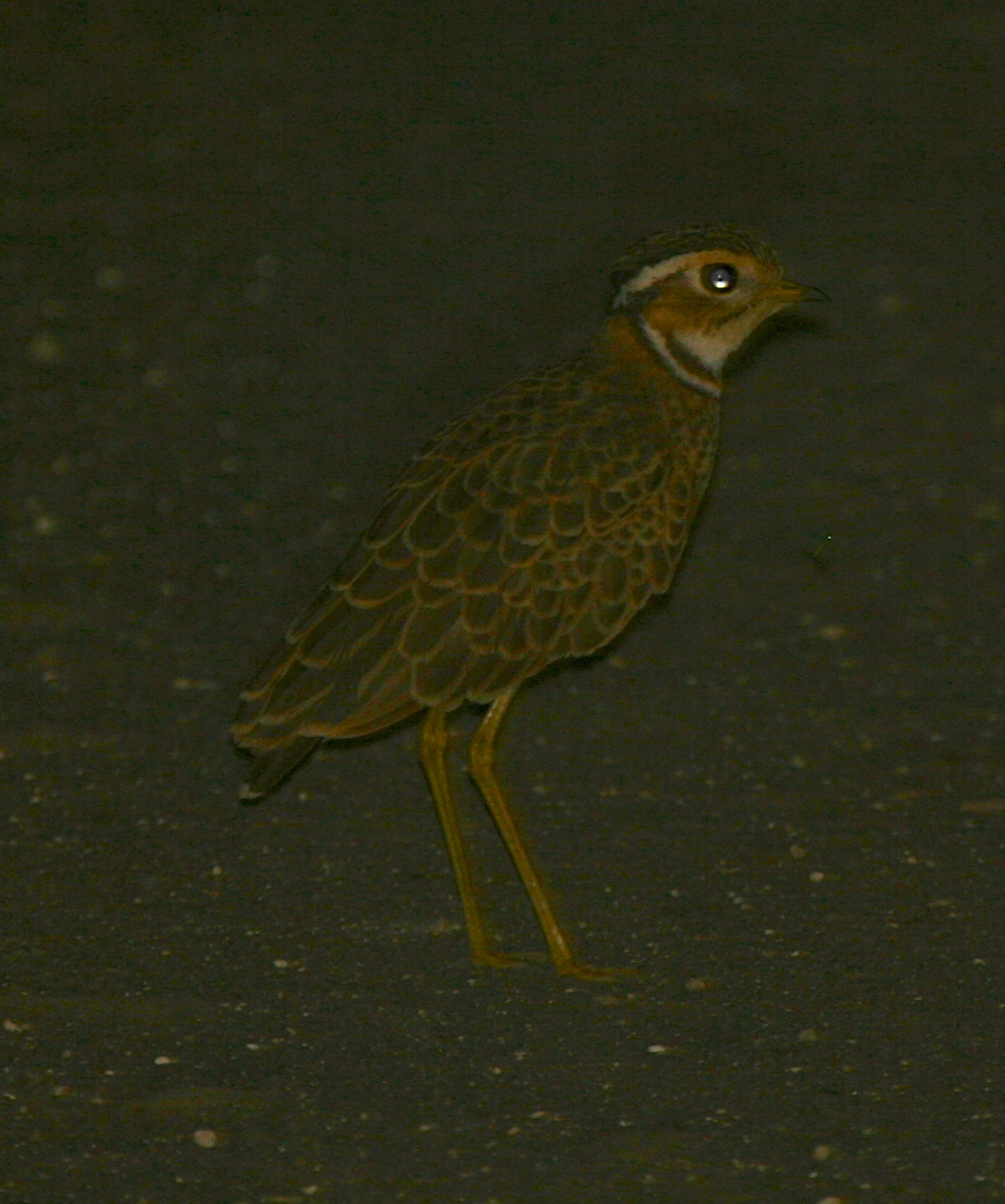
Three-banded Courser (Rhinoptilus cinctus) Three-banded Courser
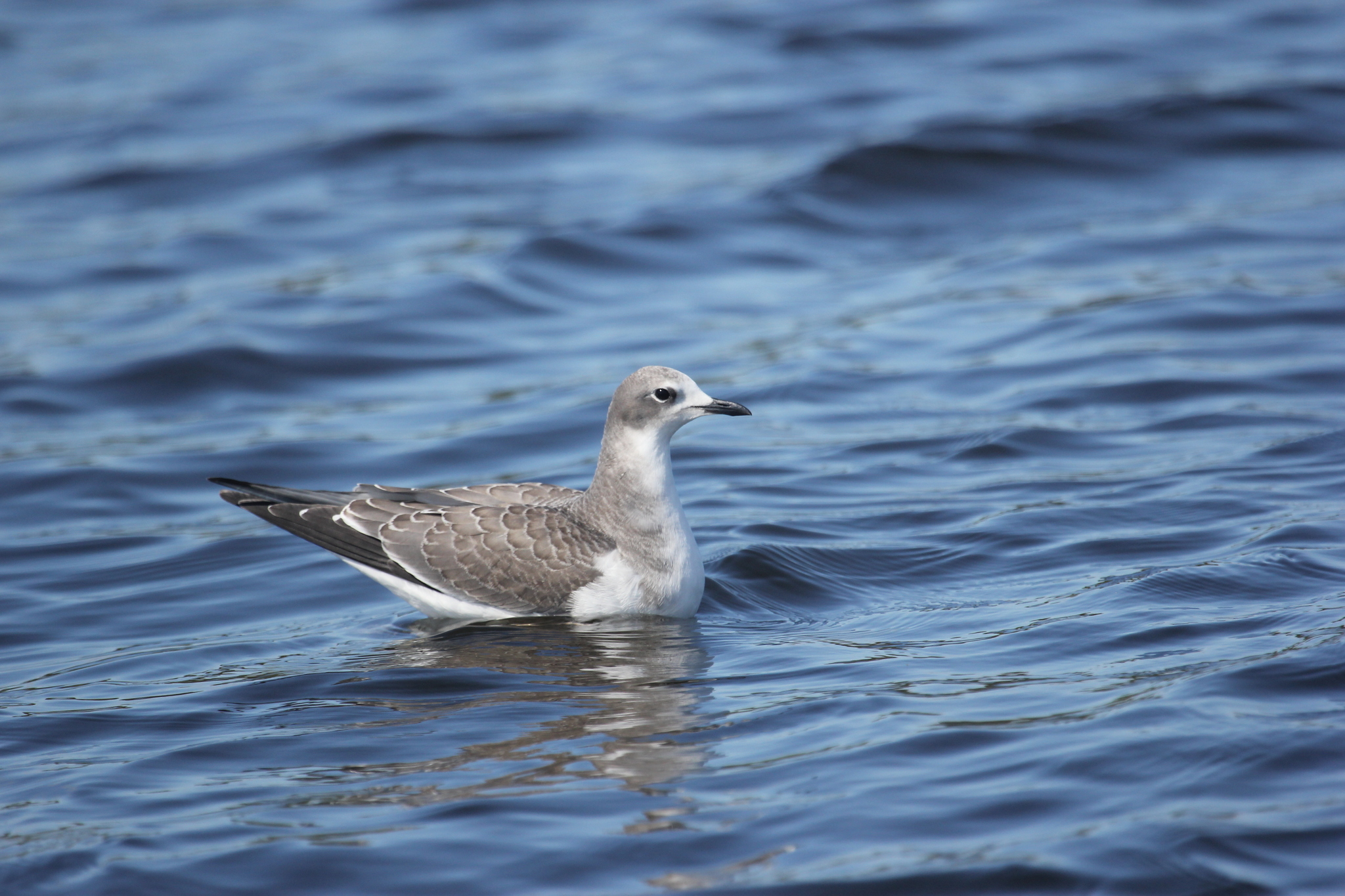
Sabine's Gull (Xema sabini) Sabine's Gull

Media

Loading…

In short

The Three-banded Courser and Sabine's Gull are distinct in both appearance and habitat preference. The courser is a terrestrial bird with bold facial markings and a unique incubation strategy, while Sabine's Gull is a seabird with a distinctive black bill tipped with yellow and a notched tail.

Identification tips

1. Habitat: Look for the Three-banded Courser in dry, open terrestrial environments, while Sabine's Gull is found in coastal or marine settings. 2. Bill and Tail: Sabine's Gull has a black bill with a yellow tip and a notched tail, unlike the courser. 3. Behavior: The courser's nocturnal and secretive nature contrasts with the gull's more visible and active behavior during the day. 4. Plumage: Note the courser's bold facial markings compared to the gull's more typical seabird appearance.

Size

Sabine's Gull is generally larger and more robust than the Three-banded Courser, which is smaller and more delicate.

Plumage

The Three-banded Courser has bold facial markings and intricately patterned underparts, whereas Sabine's Gull features a black bill with a yellow tip and a notched tail, with plumage more typical of gulls.

Behaviour

The Three-banded Courser is primarily nocturnal and secretive, often difficult to observe, while Sabine's Gull displays behaviors similar to both shorebirds and terns, including distraction displays and mudflat feeding.

Habitat

The Three-banded Courser inhabits dry, open areas and is sedentary with some local movements, whereas Sabine's Gull is associated with coastal and marine environments, often seen during migration.

Voice

Vocalizations are not detailed in the sources, but Sabine's Gull is known for calls more similar to terns than typical gulls.

Submit a better description

Use the same sections as the comparison. Your text is published immediately.

The Three-banded Courser and Sabine's Gull are distinct in both appearance and habitat preference. The courser is a terrestrial bird with bold facial markings and a unique incubation strategy, while Sabine's Gull is a seabird with a distinctive black bill tipped with yellow and a notched tail.

1. Habitat: Look for the Three-banded Courser in dry, open terrestrial environments, while Sabine's Gull is found in coastal or marine settings. 2. Bill and Tail: Sabine's Gull has a black bill with a yellow tip and a notched tail, unlike the courser. 3. Behavior: The courser's nocturnal and secretive nature contrasts with the gull's more visible and active behavior during the day. 4. Plumage: Note the courser's bold facial markings compared to the gull's more typical seabird appearance.

Sabine's Gull is generally larger and more robust than the Three-banded Courser, which is smaller and more delicate.

The Three-banded Courser has bold facial markings and intricately patterned underparts, whereas Sabine's Gull features a black bill with a yellow tip and a notched tail, with plumage more typical of gulls.

The Three-banded Courser is primarily nocturnal and secretive, often difficult to observe, while Sabine's Gull displays behaviors similar to both shorebirds and terns, including distraction displays and mudflat feeding.

The Three-banded Courser inhabits dry, open areas and is sedentary with some local movements, whereas Sabine's Gull is associated with coastal and marine environments, often seen during migration.

Vocalizations are not detailed in the sources, but Sabine's Gull is known for calls more similar to terns than typical gulls.

Discard your changes?

You have unsaved edits. If you leave now, those changes will be lost.

Three-banded Courser · Sabine's Gull · My Tricky Birds