Birdr

Tiger Shrike vs Burmese Shrike

Lanius tigrinus versus Lanius collurioides

Play a quiz with Tiger Shrike and Burmese Shrike
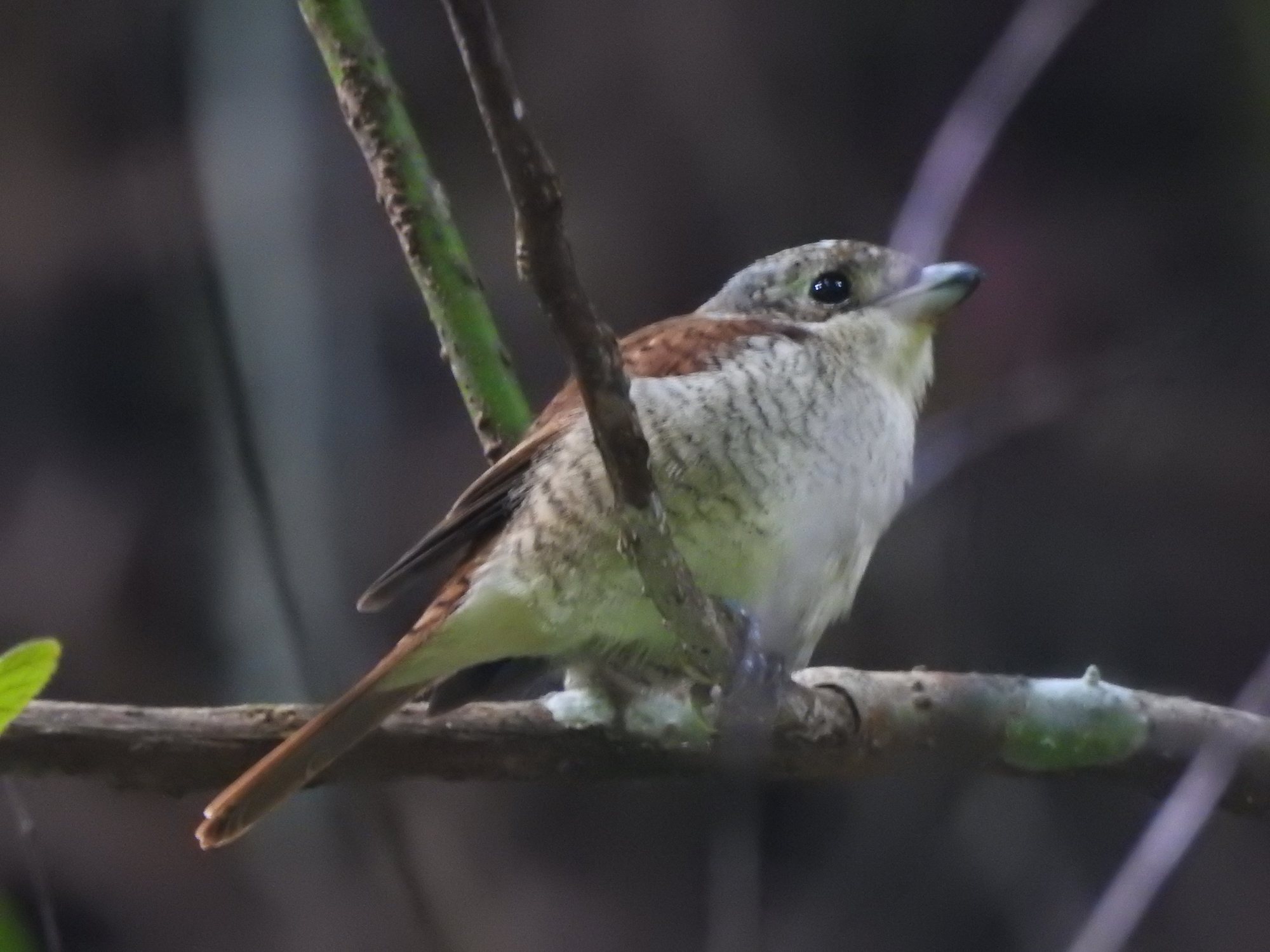
Tiger Shrike (Lanius tigrinus) Tiger Shrike
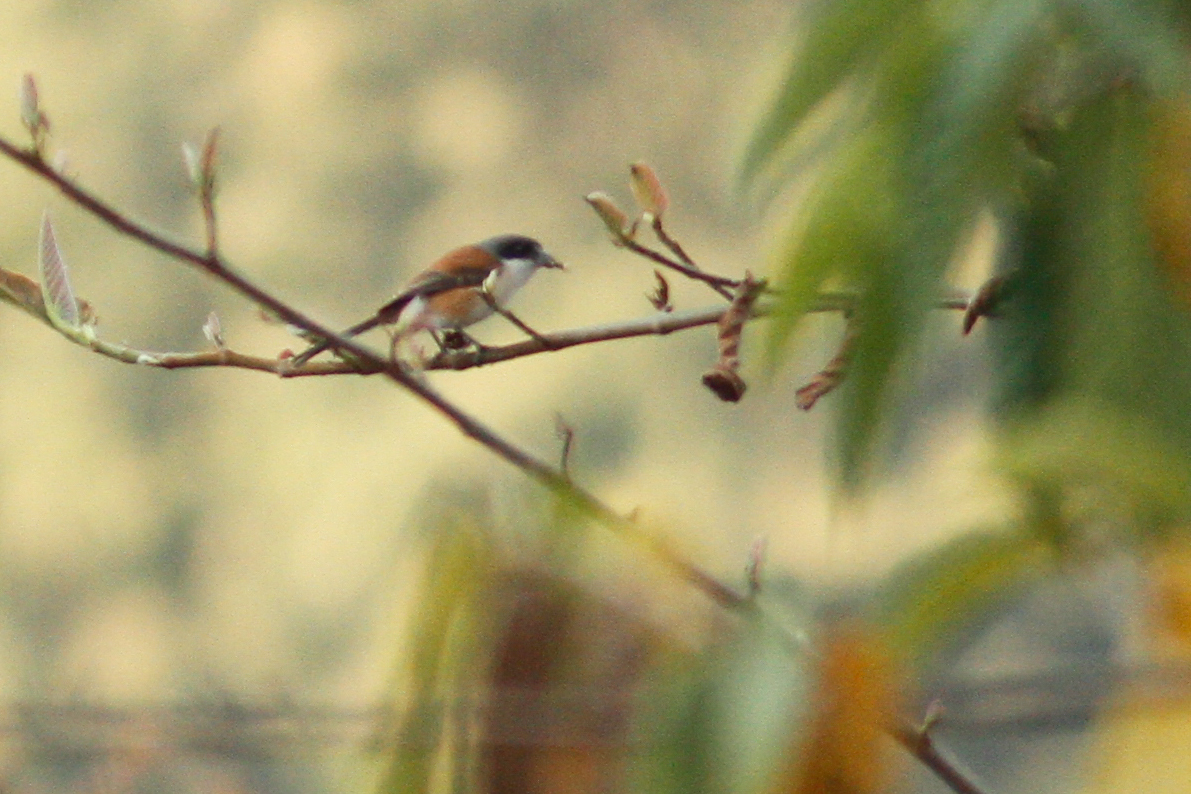
Burmese Shrike (Lanius collurioides) Burmese Shrike

Media

Loading…

In short

The Tiger Shrike and Burmese Shrike can be distinguished by plumage and habitat preferences. The Tiger Shrike has a more pronounced barred pattern on its back and is generally found in more northern regions compared to the Burmese Shrike, which is more common in Southeast Asia.

Identification tips

  1. Look for the barred pattern on the back and flanks of the Tiger Shrike. 2. Note the rufous back and grey head of the Burmese Shrike. 3. Consider the habitat: Tiger Shrikes are more likely in forested areas, while Burmese Shrikes prefer open woodlands and gardens in Southeast Asia. 4. Be aware of the geographical range: Tiger Shrikes are found more northerly compared to the Burmese Shrike.

Size

Both species are similar in size, typical of shrikes, with no significant difference in structure.

Plumage

The Tiger Shrike has a distinctive barred pattern on its back and flanks, giving it a 'tiger-like' appearance. In contrast, the Burmese Shrike lacks this barring and has a more uniform coloration with a rufous back and a grey head.

Behaviour

Both species exhibit typical shrike behavior, hunting from exposed perches and diving to capture prey. There are no significant behavioral differences noted.

Habitat

The Tiger Shrike is found in forested areas and edges, often in more northern regions, while the Burmese Shrike prefers open woodlands, scrubby areas, and gardens, primarily in Southeast Asia.

Voice

Vocalizations of both species are not well-documented in the sources, and there is no clear distinction noted.

Submit a better description

Use the same sections as the comparison. Your text is published immediately.

The Tiger Shrike and Burmese Shrike can be distinguished by plumage and habitat preferences. The Tiger Shrike has a more pronounced barred pattern on its back and is generally found in more northern regions compared to the Burmese Shrike, which is more common in Southeast Asia.

  1. Look for the barred pattern on the back and flanks of the Tiger Shrike. 2. Note the rufous back and grey head of the Burmese Shrike. 3. Consider the habitat: Tiger Shrikes are more likely in forested areas, while Burmese Shrikes prefer open woodlands and gardens in Southeast Asia. 4. Be aware of the geographical range: Tiger Shrikes are found more northerly compared to the Burmese Shrike.

Both species are similar in size, typical of shrikes, with no significant difference in structure.

The Tiger Shrike has a distinctive barred pattern on its back and flanks, giving it a 'tiger-like' appearance. In contrast, the Burmese Shrike lacks this barring and has a more uniform coloration with a rufous back and a grey head.

Both species exhibit typical shrike behavior, hunting from exposed perches and diving to capture prey. There are no significant behavioral differences noted.

The Tiger Shrike is found in forested areas and edges, often in more northern regions, while the Burmese Shrike prefers open woodlands, scrubby areas, and gardens, primarily in Southeast Asia.

Vocalizations of both species are not well-documented in the sources, and there is no clear distinction noted.

Discard your changes?

You have unsaved edits. If you leave now, those changes will be lost.

Tiger Shrike · Burmese Shrike · My Tricky Birds