
Townsend's Solitaire vs Orange-billed Nightingale-Thrush
Myadestes townsendi versus Catharus aurantiirostris
Play a quiz with Townsend's Solitaire and Orange-billed Nightingale-Thrush
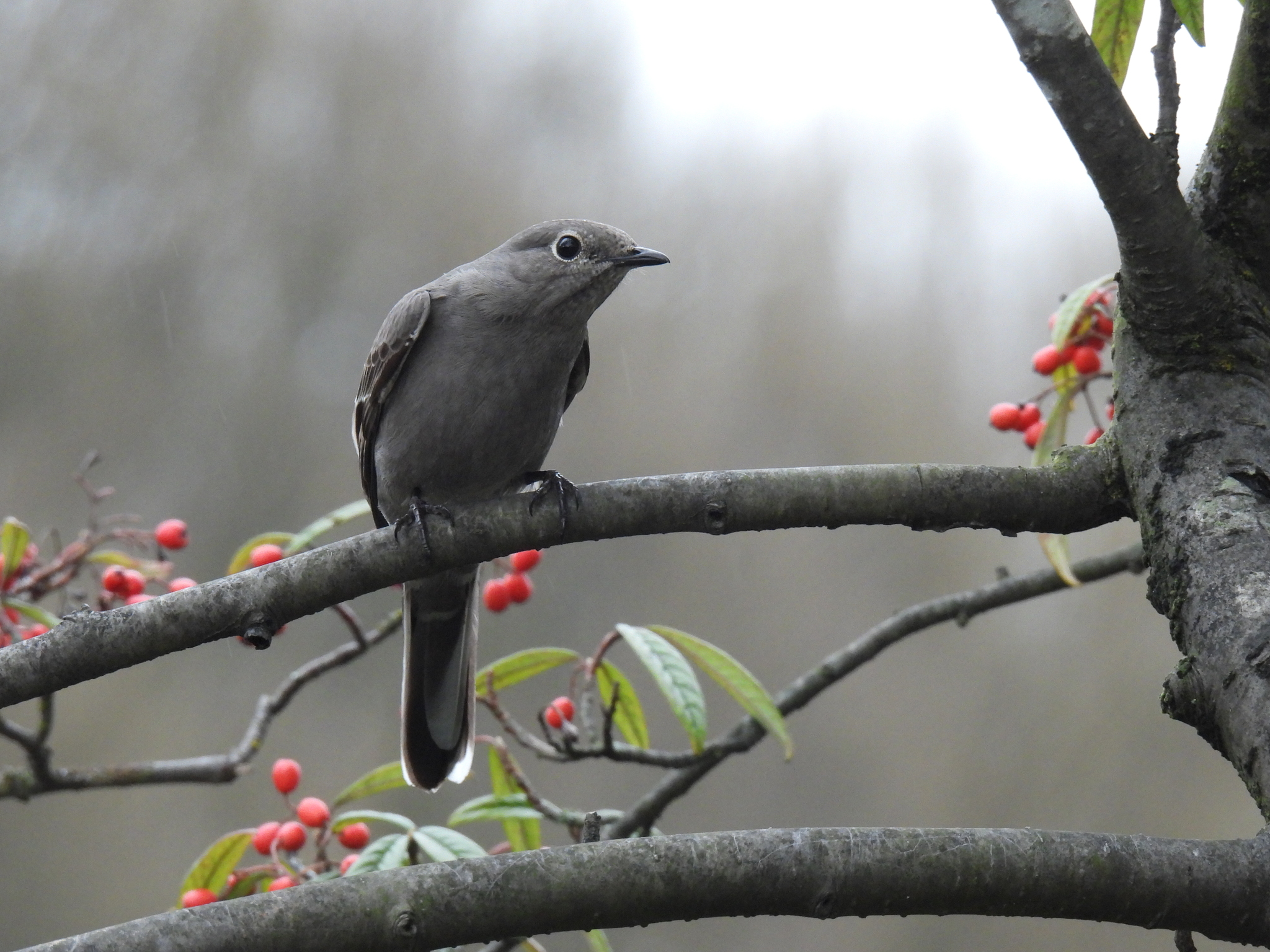 Townsend's Solitaire
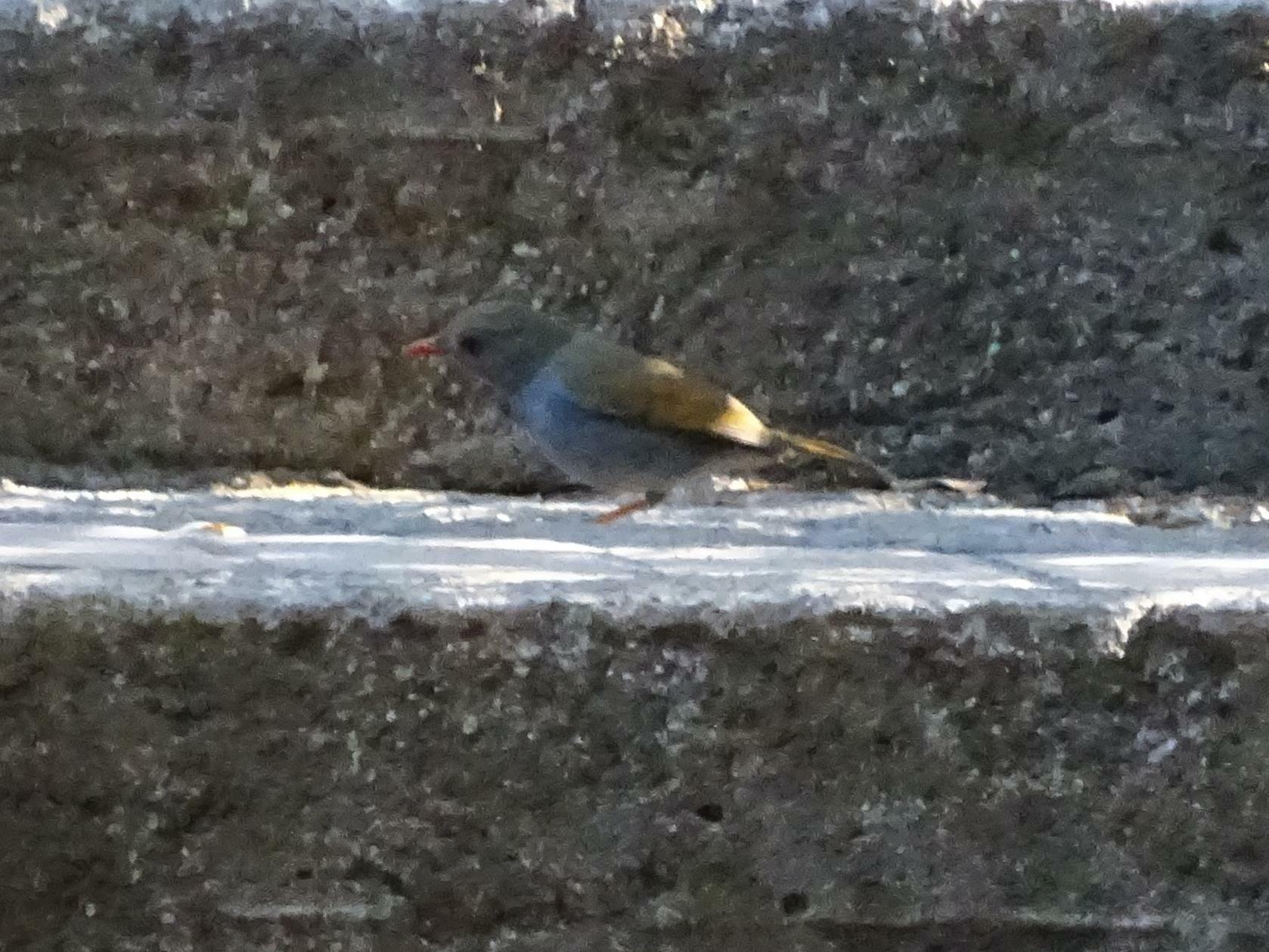 Orange-billed Nightingale-Thrush
In short
Townsend's Solitaire and Orange-billed Nightingale-Thrush can be distinguished by their bill color and habitat preference. The solitaire has a gray plumage with a white eye-ring and buff wing markings, while the nightingale-thrush has a distinctive orange bill and is often found in dense thickets.
Identification tips
- Bill color: Look for the orange bill of the nightingale-thrush.
- Eye-ring: Townsend's Solitaire has a white eye-ring.
- Habitat: Note the habitat; solitaires are in open montane areas, nightingale-thrushes in dense thickets.
- Song: Listen for the solitaire's elaborate song versus the nightingale-thrush's drier calls.
Size
Townsend's Solitaire is generally larger than the Orange-billed Nightingale-Thrush.
Plumage
Townsend's Solitaire is uniformly gray with a white eye-ring and subtle buff markings on the wings. In contrast, the Orange-billed Nightingale-Thrush has a more varied plumage with a distinctive orange bill, which is a key identifier.
Behaviour
Townsend's Solitaire often perches prominently and may sally for insects, similar to flycatchers. The Orange-billed Nightingale-Thrush is more likely to be seen hopping on the ground or singing from a low perch in dense vegetation.
Habitat
Townsend's Solitaire is associated with montane coniferous forests and juniper woodlands, especially in winter. The Orange-billed Nightingale-Thrush prefers dense thickets and is less likely to be found in open areas.
Voice
Townsend's Solitaire has an elaborate and beautiful song, while the Orange-billed Nightingale-Thrush has a less musical, drier song with a nasal, upslurred call note.
Townsend's Solitaire · Orange-billed Nightingale-Thrush · My Tricky Birds