Birdr

Tree Pipit vs Common Chaffinch

Anthus trivialis versus Fringilla coelebs

Play a quiz with Tree Pipit and Common Chaffinch
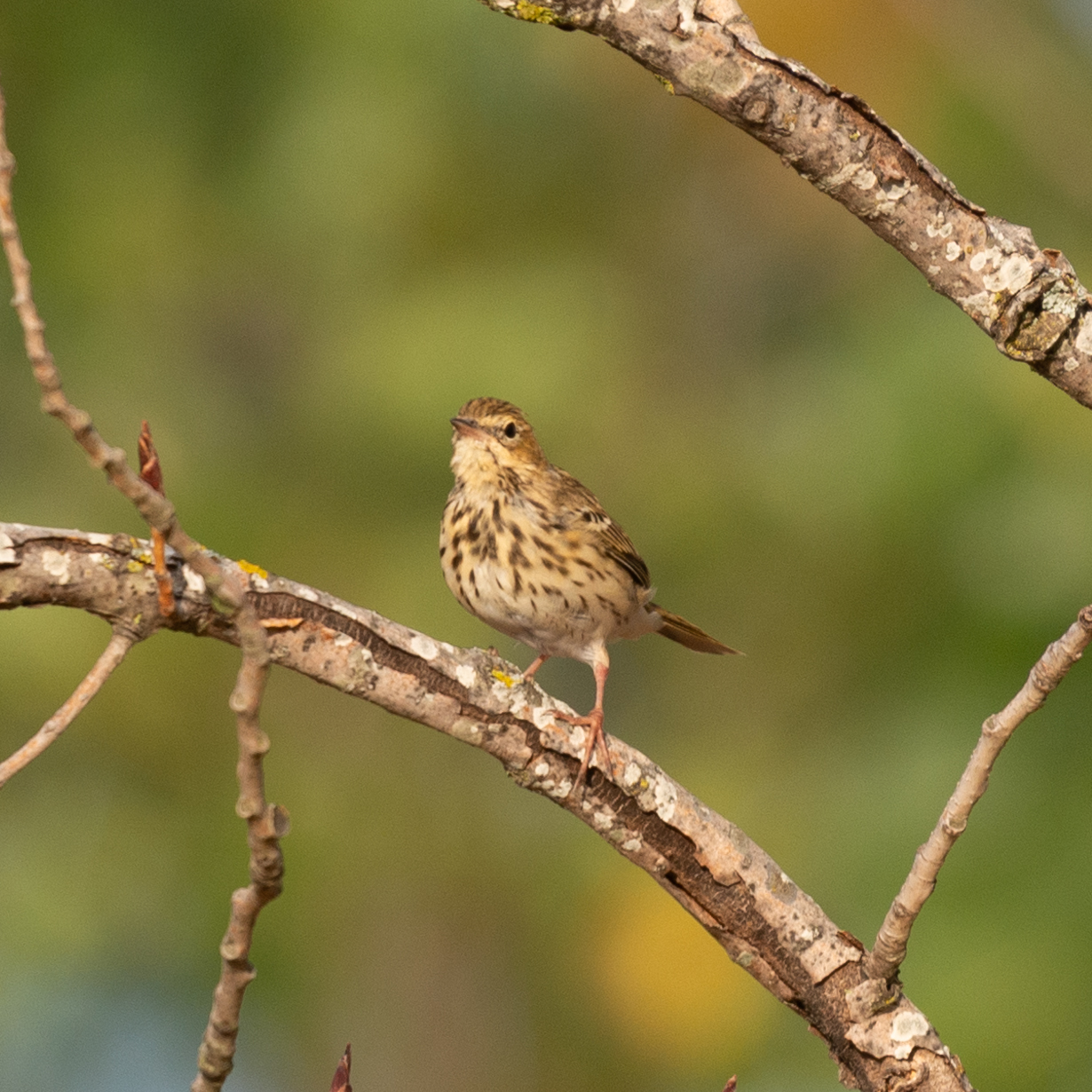
Tree Pipit (Anthus trivialis) Tree Pipit
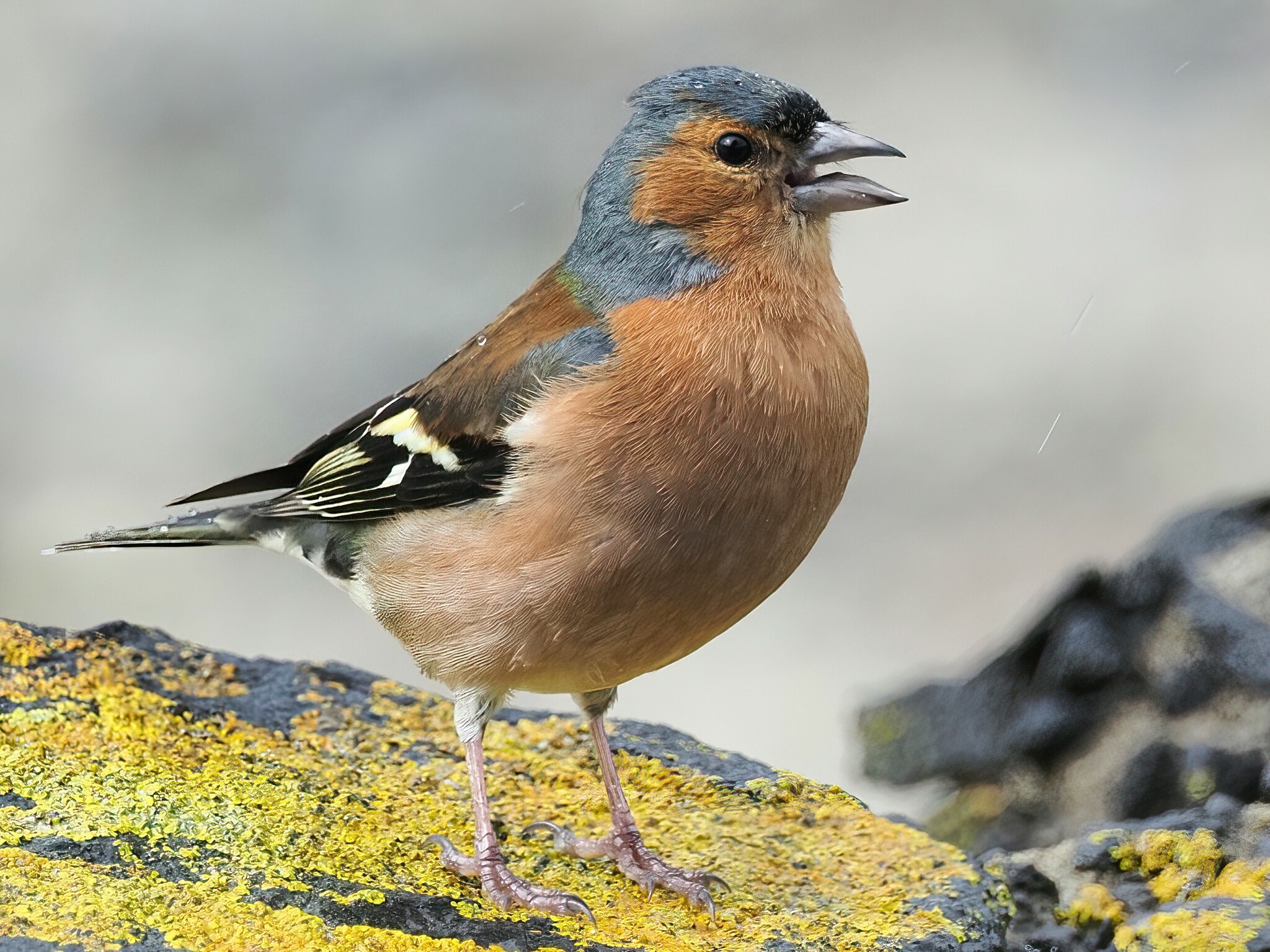
Common Chaffinch (Fringilla coelebs) Common Chaffinch

Media

Loading…

In short

Tree Pipit and Common Chaffinch are distinct in both appearance and behavior. The Tree Pipit is a slim, streaked bird with a more olive tone, while the Common Chaffinch is a robust finch with bold white wingbars and a distinctive song. Their habitats overlap, but their vocalizations and plumage offer clear distinctions.

Identification tips

  1. Plumage: Look for the Tree Pipit's olive-brown back and streaked breast versus the Chaffinch's bold wingbars and slate-blue crown in males. 2. Vocalization: Listen for the Tree Pipit's trills versus the Chaffinch's descending song. 3. Behavior: Note the Tree Pipit's song flight and the Chaffinch's foraging habits. 4. Habitat: Consider the habitat; Tree Pipits prefer open areas, while Chaffinches are more versatile.

Size

Tree Pipit is slim and medium-sized (14–15 cm), while the Common Chaffinch is a more robust finch of similar length.

Plumage

Tree Pipit has an olive-brown back with dark streaks and a buffish supercilium. In contrast, the Common Chaffinch has a slate-blue crown and pinkish-rust underparts in males, with bold white wingbars. Females of the Chaffinch are muted olive-brown.

Behaviour

Tree Pipits often perform song flights and are ground foragers. Common Chaffinches are known for their cultural transmission of song and foraging through chaff.

Habitat

Both species occupy a range of wooded habitats, but Tree Pipits prefer open woodlands and heathlands, while Chaffinches are found from ancient forests to suburban gardens.

Voice

Tree Pipit has a series of trills and repeated notes, ending with 'seee-er'. Common Chaffinch has a descending song and a 'rain call', with regional dialects.

Submit a better description

Use the same sections as the comparison. Your text is published immediately.

Tree Pipit and Common Chaffinch are distinct in both appearance and behavior. The Tree Pipit is a slim, streaked bird with a more olive tone, while the Common Chaffinch is a robust finch with bold white wingbars and a distinctive song. Their habitats overlap, but their vocalizations and plumage offer clear distinctions.

  1. Plumage: Look for the Tree Pipit's olive-brown back and streaked breast versus the Chaffinch's bold wingbars and slate-blue crown in males. 2. Vocalization: Listen for the Tree Pipit's trills versus the Chaffinch's descending song. 3. Behavior: Note the Tree Pipit's song flight and the Chaffinch's foraging habits. 4. Habitat: Consider the habitat; Tree Pipits prefer open areas, while Chaffinches are more versatile.

Tree Pipit is slim and medium-sized (14–15 cm), while the Common Chaffinch is a more robust finch of similar length.

Tree Pipit has an olive-brown back with dark streaks and a buffish supercilium. In contrast, the Common Chaffinch has a slate-blue crown and pinkish-rust underparts in males, with bold white wingbars. Females of the Chaffinch are muted olive-brown.

Tree Pipits often perform song flights and are ground foragers. Common Chaffinches are known for their cultural transmission of song and foraging through chaff.

Both species occupy a range of wooded habitats, but Tree Pipits prefer open woodlands and heathlands, while Chaffinches are found from ancient forests to suburban gardens.

Tree Pipit has a series of trills and repeated notes, ending with 'seee-er'. Common Chaffinch has a descending song and a 'rain call', with regional dialects.

Discard your changes?

You have unsaved edits. If you leave now, those changes will be lost.

Tree Pipit · Common Chaffinch · My Tricky Birds