Birdr

Tree Swallow vs Blue-and-white Swallow

Tachycineta bicolor versus Pygochelidon cyanoleuca

Play a quiz with Tree Swallow and Blue-and-white Swallow
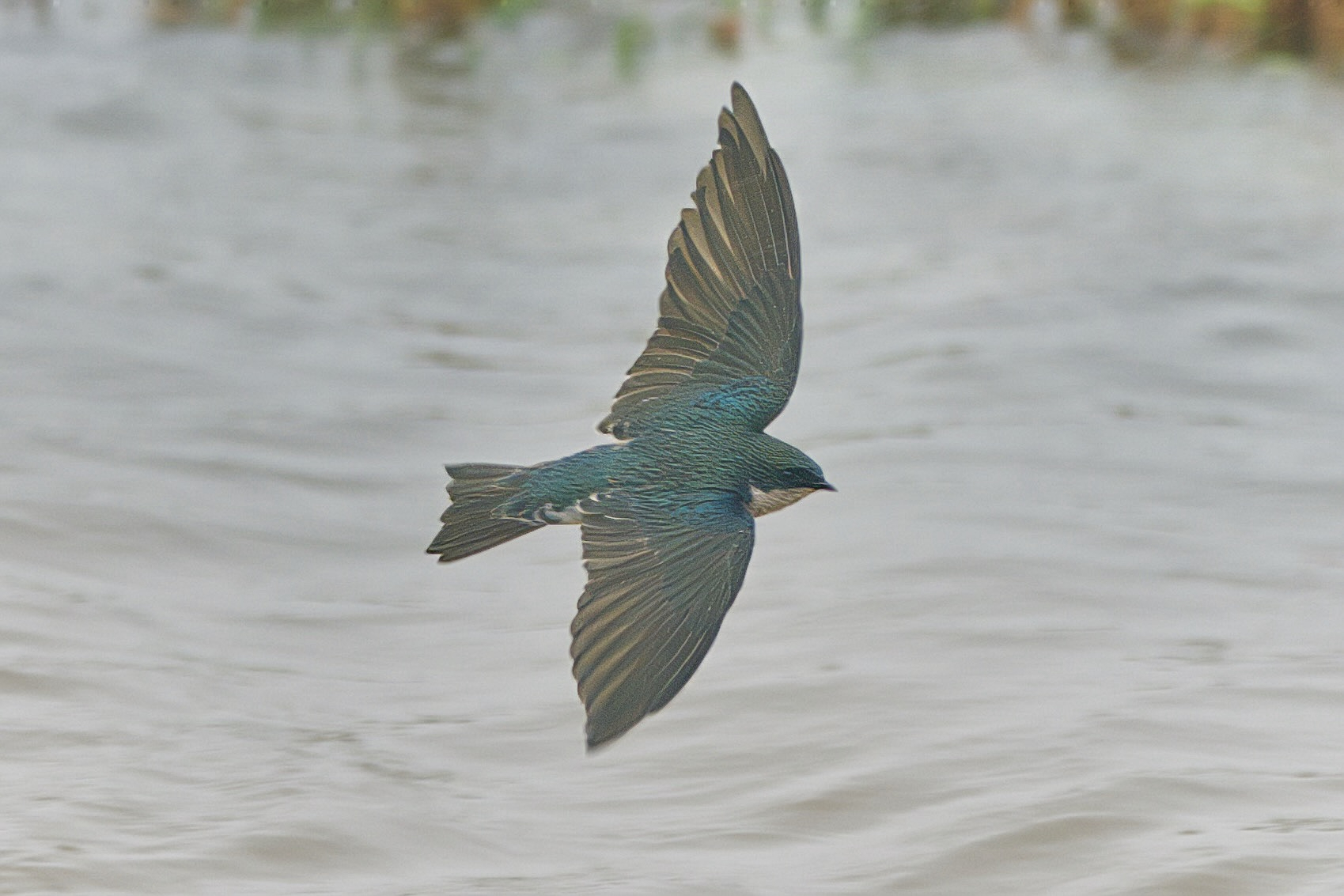
Tree Swallow (Tachycineta bicolor) Tree Swallow
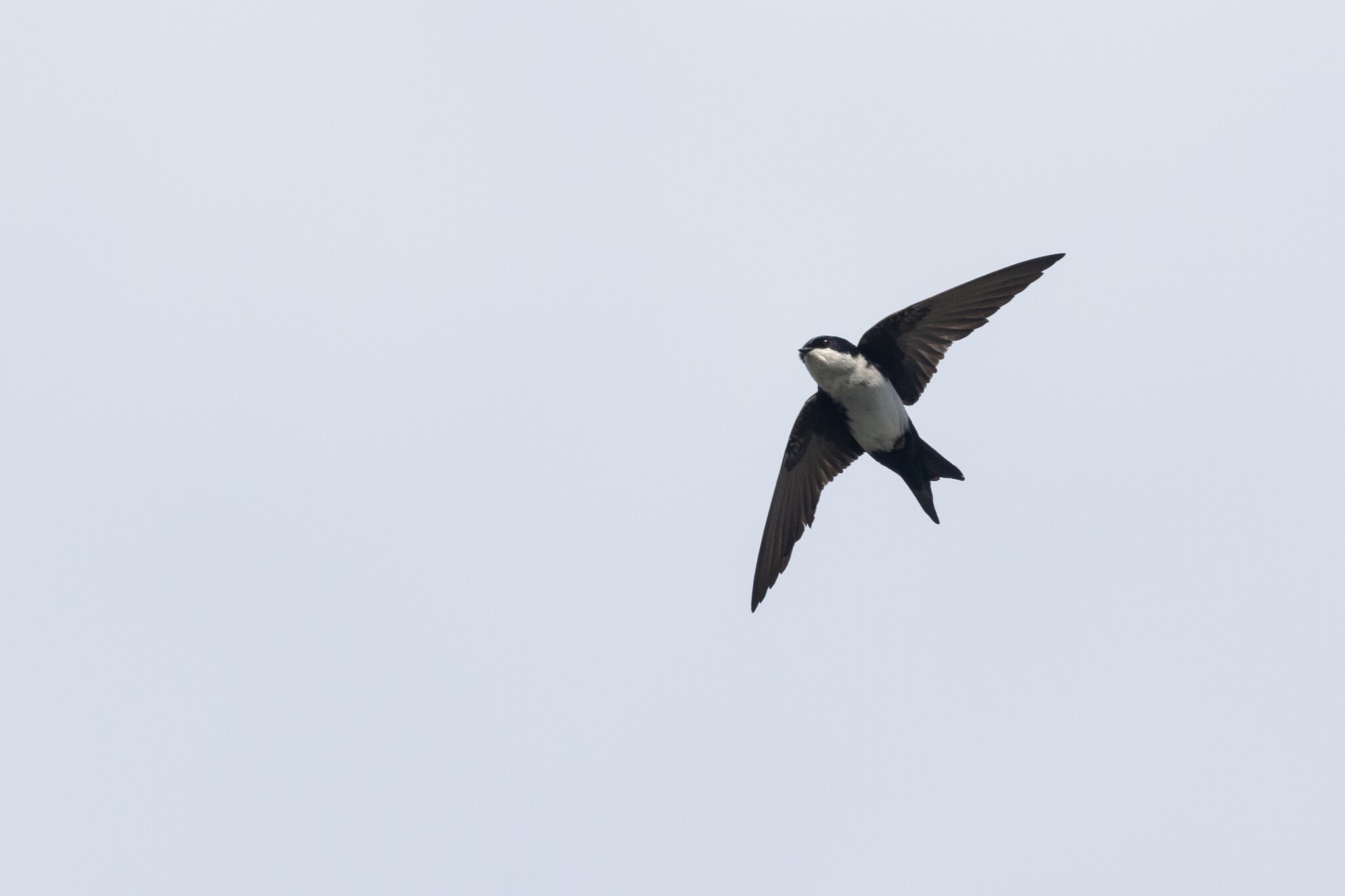
Blue-and-white Swallow (Pygochelidon cyanoleuca) Blue-and-white Swallow

Media

Loading…

In short

The Tree Swallow and Blue-and-white Swallow are both small swallows with glossy blue upperparts and white underparts, but they can be distinguished by their structure and subtle plumage differences. The Tree Swallow has a more robust build with longer wings and a slightly forked tail, while the Blue-and-white Swallow is more slender with a square tail. Both species are agile flyers, but their habitats and vocalizations can also aid in identification.

Identification tips

  1. Structure: Look for the Tree Swallow's longer wings and slightly forked tail compared to the Blue-and-white Swallow's square tail. 2. Plumage: Note the Tree Swallow's iridescent blue-green sheen versus the Blue-and-white Swallow's more uniform blue. 3. Habitat: Consider the location; Tree Swallows are more common in temperate regions, while Blue-and-white Swallows are found in tropical areas. 4. Vocalizations: Listen for the Tree Swallow's more varied calls compared to the softer calls of the Blue-and-white Swallow.

Size

Tree Swallow is slightly larger and bulkier than the more slender Blue-and-white Swallow.

Plumage

Tree Swallow has iridescent blue-green upperparts and pure white underparts. In contrast, the Blue-and-white Swallow has a more uniform blue upperpart with a subtle contrast between the blue and white areas, and may show a faint dusky band across the chest.

Behaviour

Both species are aerial insectivores, but the Tree Swallow is known for using artificial nest boxes and lining its nest with feathers, while the Blue-and-white Swallow is highly adaptable and benefits from human expansion in tropical areas.

Habitat

Tree Swallows are often found near water bodies in open or semi-open areas, especially in North America. Blue-and-white Swallows are more widespread in tropical regions and can be found in a variety of open habitats, often near human settlements.

Voice

Tree Swallows have a series of liquid twitters and chirps, while Blue-and-white Swallows produce softer, less varied calls. Vocalizations can be subtle and may require careful listening to differentiate.

Submit a better description

Use the same sections as the comparison. Your text is published immediately.

The Tree Swallow and Blue-and-white Swallow are both small swallows with glossy blue upperparts and white underparts, but they can be distinguished by their structure and subtle plumage differences. The Tree Swallow has a more robust build with longer wings and a slightly forked tail, while the Blue-and-white Swallow is more slender with a square tail. Both species are agile flyers, but their habitats and vocalizations can also aid in identification.

  1. Structure: Look for the Tree Swallow's longer wings and slightly forked tail compared to the Blue-and-white Swallow's square tail. 2. Plumage: Note the Tree Swallow's iridescent blue-green sheen versus the Blue-and-white Swallow's more uniform blue. 3. Habitat: Consider the location; Tree Swallows are more common in temperate regions, while Blue-and-white Swallows are found in tropical areas. 4. Vocalizations: Listen for the Tree Swallow's more varied calls compared to the softer calls of the Blue-and-white Swallow.

Tree Swallow is slightly larger and bulkier than the more slender Blue-and-white Swallow.

Tree Swallow has iridescent blue-green upperparts and pure white underparts. In contrast, the Blue-and-white Swallow has a more uniform blue upperpart with a subtle contrast between the blue and white areas, and may show a faint dusky band across the chest.

Both species are aerial insectivores, but the Tree Swallow is known for using artificial nest boxes and lining its nest with feathers, while the Blue-and-white Swallow is highly adaptable and benefits from human expansion in tropical areas.

Tree Swallows are often found near water bodies in open or semi-open areas, especially in North America. Blue-and-white Swallows are more widespread in tropical regions and can be found in a variety of open habitats, often near human settlements.

Tree Swallows have a series of liquid twitters and chirps, while Blue-and-white Swallows produce softer, less varied calls. Vocalizations can be subtle and may require careful listening to differentiate.

Discard your changes?

You have unsaved edits. If you leave now, those changes will be lost.

Tree Swallow · Blue-and-white Swallow · My Tricky Birds