Birdr

Tree Swallow vs Cliff Swallow

Tachycineta bicolor versus Petrochelidon pyrrhonota

Play a quiz with Tree Swallow and Cliff Swallow
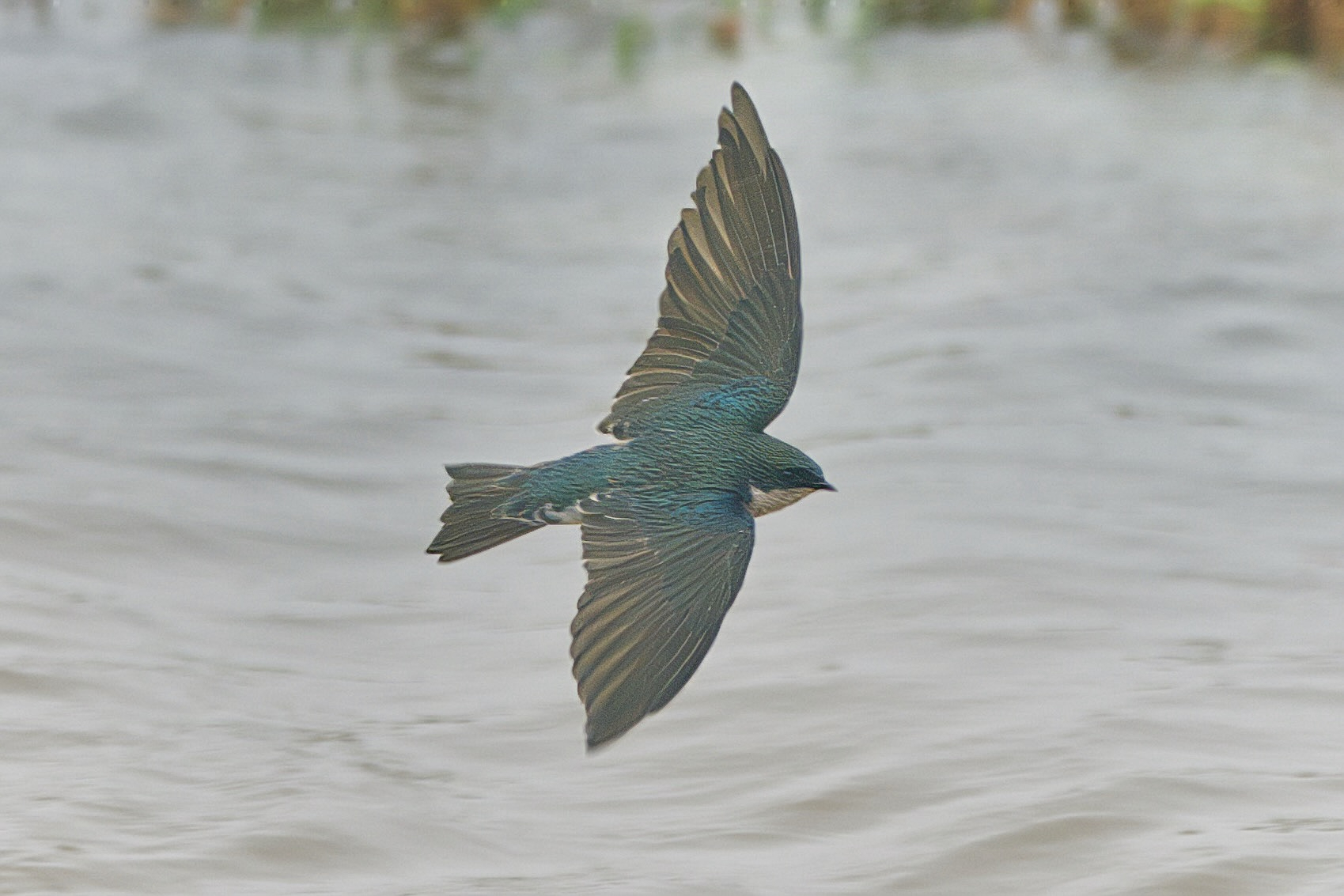
Tree Swallow (Tachycineta bicolor) Tree Swallow
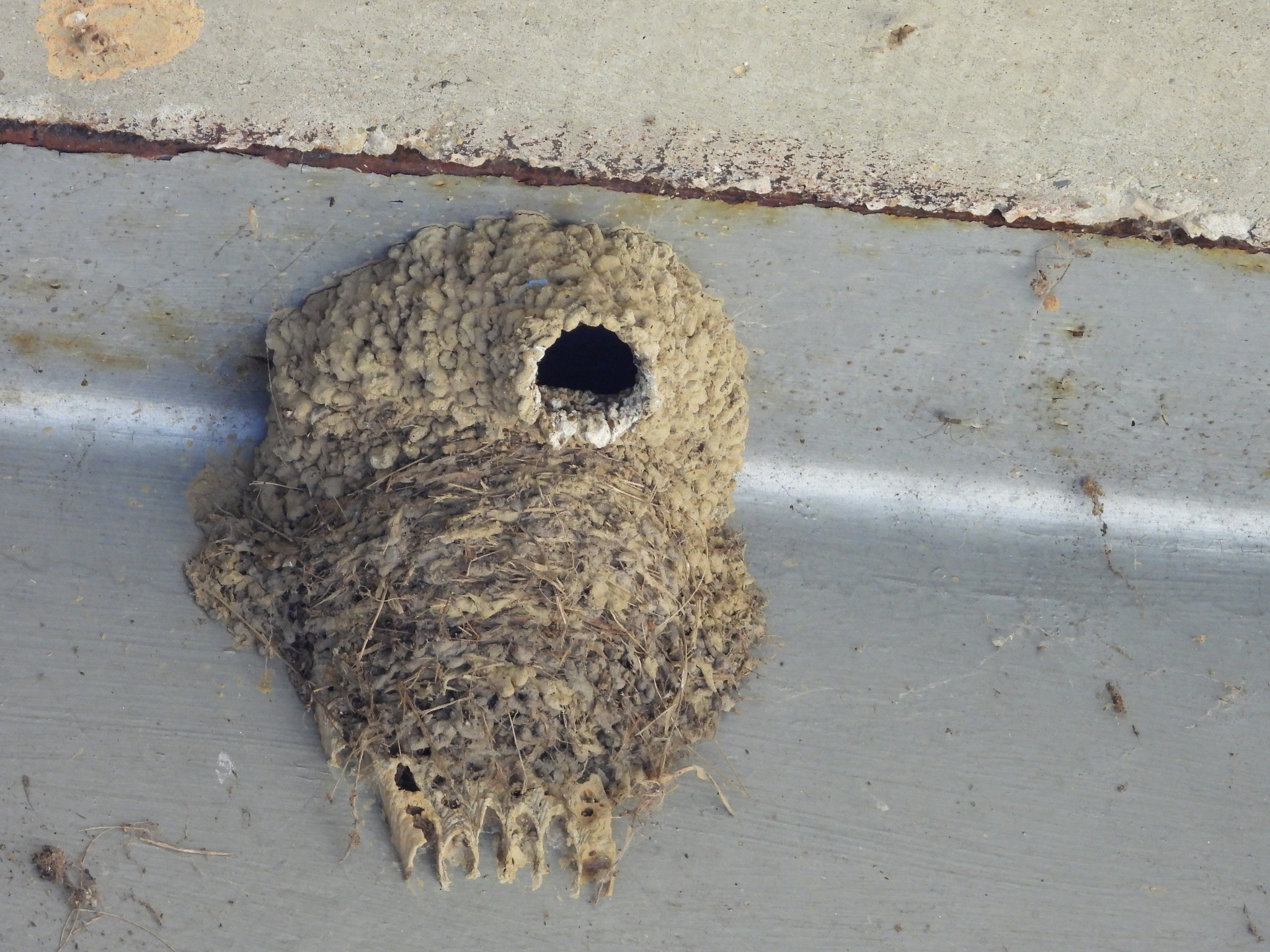
Cliff Swallow (Petrochelidon pyrrhonota) Cliff Swallow

Media

Loading…

In short

Tree Swallows and Cliff Swallows can be distinguished by their plumage and nesting habits. Tree Swallows have a sleek, iridescent blue-green back and white underparts, while Cliff Swallows have a square tail, pale rump, and a distinctive buffy or white forehead patch. Both species are aerial insectivores but differ in their nesting preferences.

Identification tips

  1. Look for the iridescent blue-green back and white underparts of the Tree Swallow. 2. Note the buffy or white forehead patch and pale rump of the Cliff Swallow. 3. Observe nesting behavior: Tree Swallows use nest boxes, while Cliff Swallows build mud nests in colonies. 4. Check the tail shape: Tree Swallows have a slightly forked tail, whereas Cliff Swallows have a square tail.

Size

Both species are similar in size, but Tree Swallows have a more streamlined body compared to the slightly stockier Cliff Swallows.

Plumage

Tree Swallows have an iridescent blue-green back and white underparts. In contrast, Cliff Swallows have a dark blue back, pale rump, and a buffy or white forehead patch, with a square tail.

Behaviour

Tree Swallows are often seen singly or in small groups, frequently using artificial nest boxes. Cliff Swallows are highly social, nesting in large colonies under bridges or cliffs and are known for brood parasitism.

Habitat

Tree Swallows prefer open areas near water, often nesting in cavities or nest boxes. Cliff Swallows are found in open areas with vertical surfaces for nesting, such as cliffs or man-made structures.

Voice

Tree Swallows have a series of cheerful, liquid twitters, while Cliff Swallows have a more complex vocal system for recognizing their young, though specific calls are not detailed here.

Submit a better description

Use the same sections as the comparison. Your text is published immediately.

Tree Swallows and Cliff Swallows can be distinguished by their plumage and nesting habits. Tree Swallows have a sleek, iridescent blue-green back and white underparts, while Cliff Swallows have a square tail, pale rump, and a distinctive buffy or white forehead patch. Both species are aerial insectivores but differ in their nesting preferences.

  1. Look for the iridescent blue-green back and white underparts of the Tree Swallow. 2. Note the buffy or white forehead patch and pale rump of the Cliff Swallow. 3. Observe nesting behavior: Tree Swallows use nest boxes, while Cliff Swallows build mud nests in colonies. 4. Check the tail shape: Tree Swallows have a slightly forked tail, whereas Cliff Swallows have a square tail.

Both species are similar in size, but Tree Swallows have a more streamlined body compared to the slightly stockier Cliff Swallows.

Tree Swallows have an iridescent blue-green back and white underparts. In contrast, Cliff Swallows have a dark blue back, pale rump, and a buffy or white forehead patch, with a square tail.

Tree Swallows are often seen singly or in small groups, frequently using artificial nest boxes. Cliff Swallows are highly social, nesting in large colonies under bridges or cliffs and are known for brood parasitism.

Tree Swallows prefer open areas near water, often nesting in cavities or nest boxes. Cliff Swallows are found in open areas with vertical surfaces for nesting, such as cliffs or man-made structures.

Tree Swallows have a series of cheerful, liquid twitters, while Cliff Swallows have a more complex vocal system for recognizing their young, though specific calls are not detailed here.

Discard your changes?

You have unsaved edits. If you leave now, those changes will be lost.

Tree Swallow · Cliff Swallow · My Tricky Birds