
Tropical Gnatcatcher vs Blue-grey Gnatcatcher
Polioptila plumbea versus Polioptila caerulea
Play a quiz with Tropical Gnatcatcher and Blue-grey Gnatcatcher
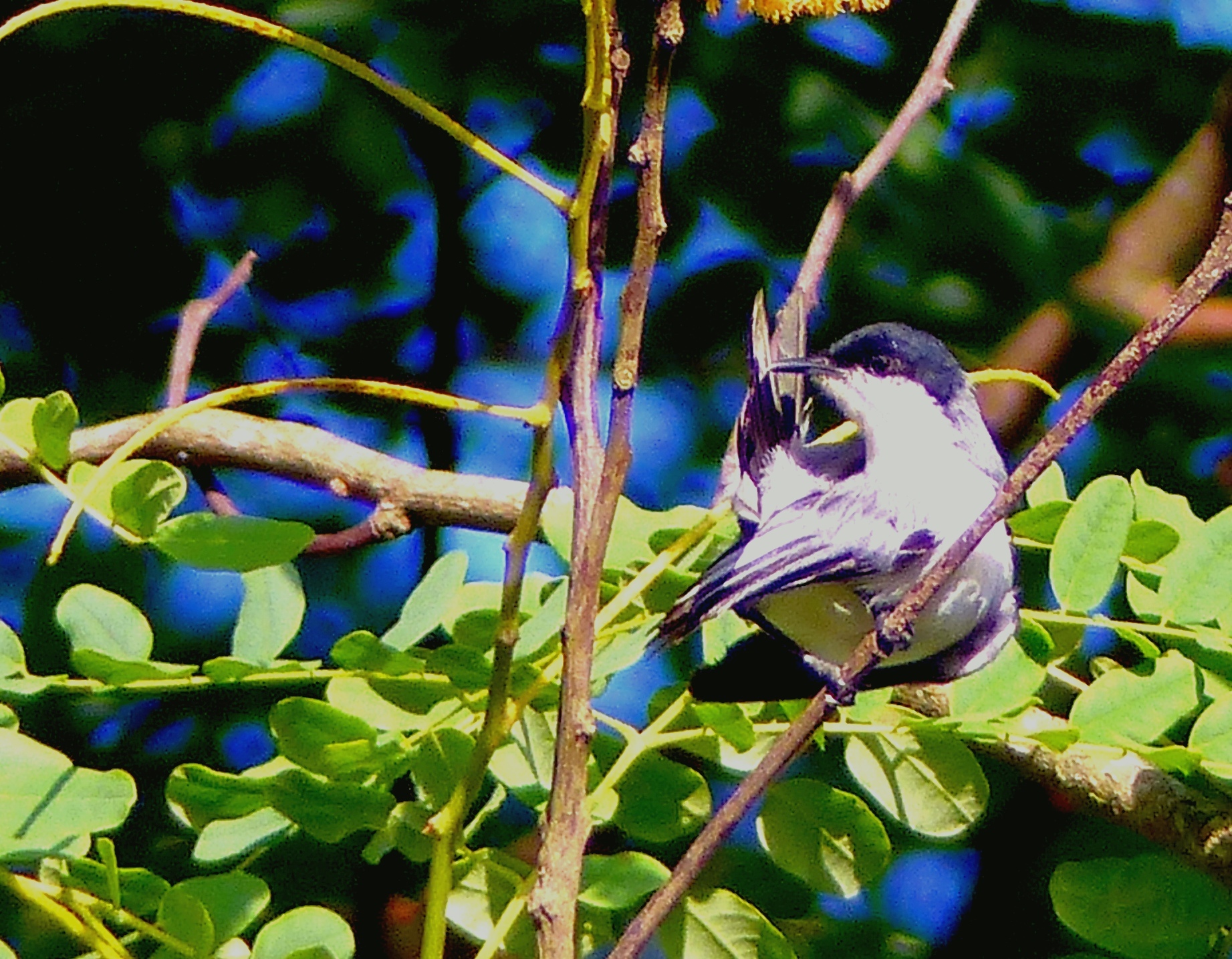 Tropical Gnatcatcher
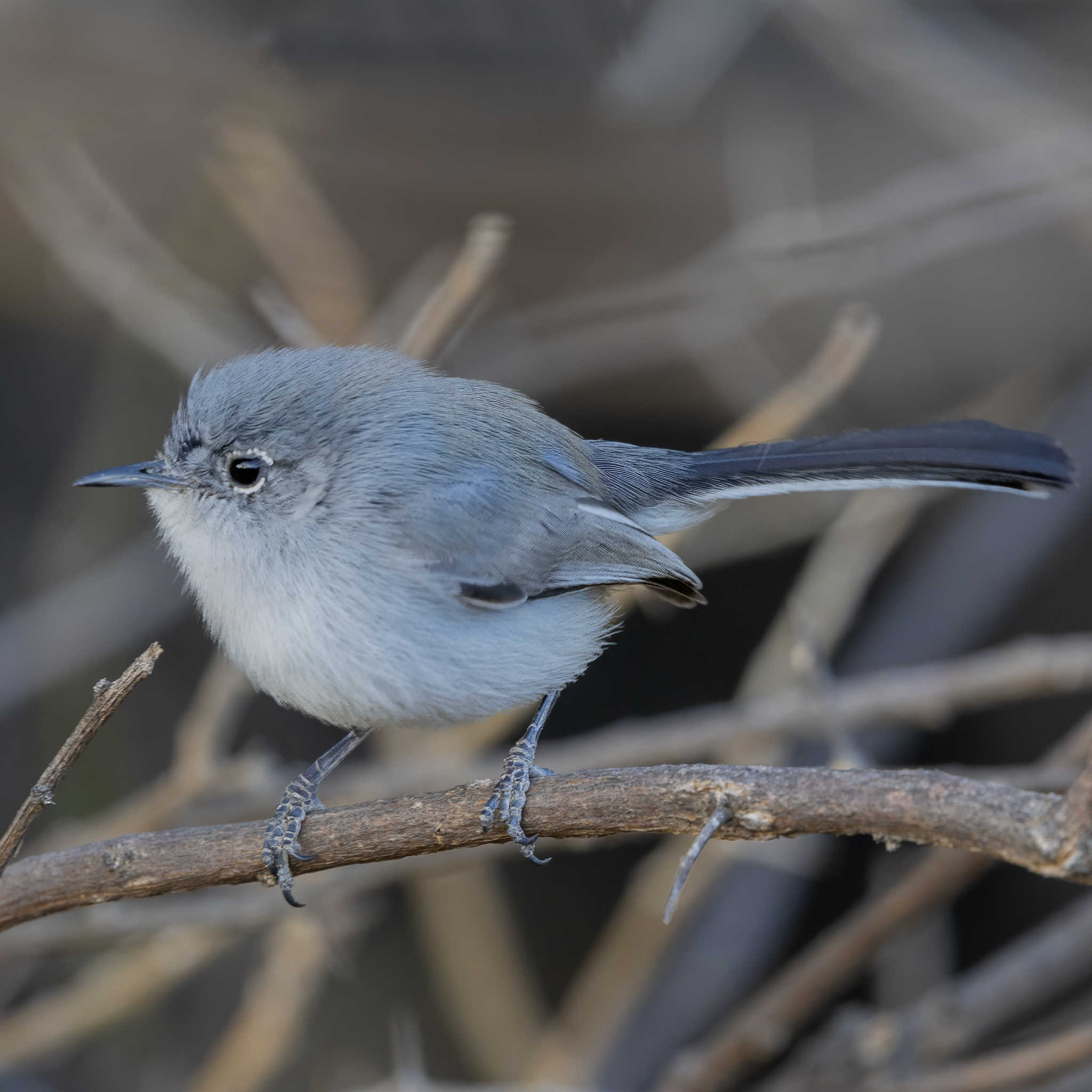 Blue-grey Gnatcatcher
In short
The Tropical Gnatcatcher and Blue-grey Gnatcatcher are similar small, active birds, but they can be distinguished by their tail patterns and habitat preferences. The Tropical Gnatcatcher typically has a more contrasting black and white tail, while the Blue-grey Gnatcatcher is more uniformly blue-grey with a less distinct tail pattern.
Identification tips
- Tail pattern: Look for a contrasting black and white tail in the Tropical Gnatcatcher.
- Plumage: Note the more uniform blue-grey coloration of the Blue-grey Gnatcatcher.
- Habitat: Consider the region; Tropical Gnatcatchers are found in tropical areas, while Blue-grey Gnatcatchers are more widespread in North America.
- Behavior: Observe feeding behavior; Blue-grey Gnatcatchers may hover more frequently.
Size
Both species are small and similar in size, making size an unreliable distinguishing feature.
Plumage
The Tropical Gnatcatcher often shows a more contrasting black and white tail pattern, whereas the Blue-grey Gnatcatcher is more uniformly blue-grey with a less distinct tail pattern. Both species have a similar slender build and long tail.
Behaviour
Both species are active feeders, often seen gleaning insects from foliage. The Blue-grey Gnatcatcher may also hover and sally for insects, a behavior that can be observed in both species but is more commonly noted in the Blue-grey.
Habitat
The Tropical Gnatcatcher is typically found in tropical and subtropical regions, while the Blue-grey Gnatcatcher inhabits a wide range of wooded habitats in North America, preferring moist areas with broad-leaved trees.
Voice
The Blue-grey Gnatcatcher's calls and songs are high-pitched and nasal. The Tropical Gnatcatcher's vocalizations are less documented, but both species are known for their high-pitched calls.
Tropical Gnatcatcher · Blue-grey Gnatcatcher · My Tricky Birds