
Variable Seedeater vs Wing-barred Seedeater
Sporophila corvina versus Sporophila americana
Play a quiz with Variable Seedeater and Wing-barred Seedeater
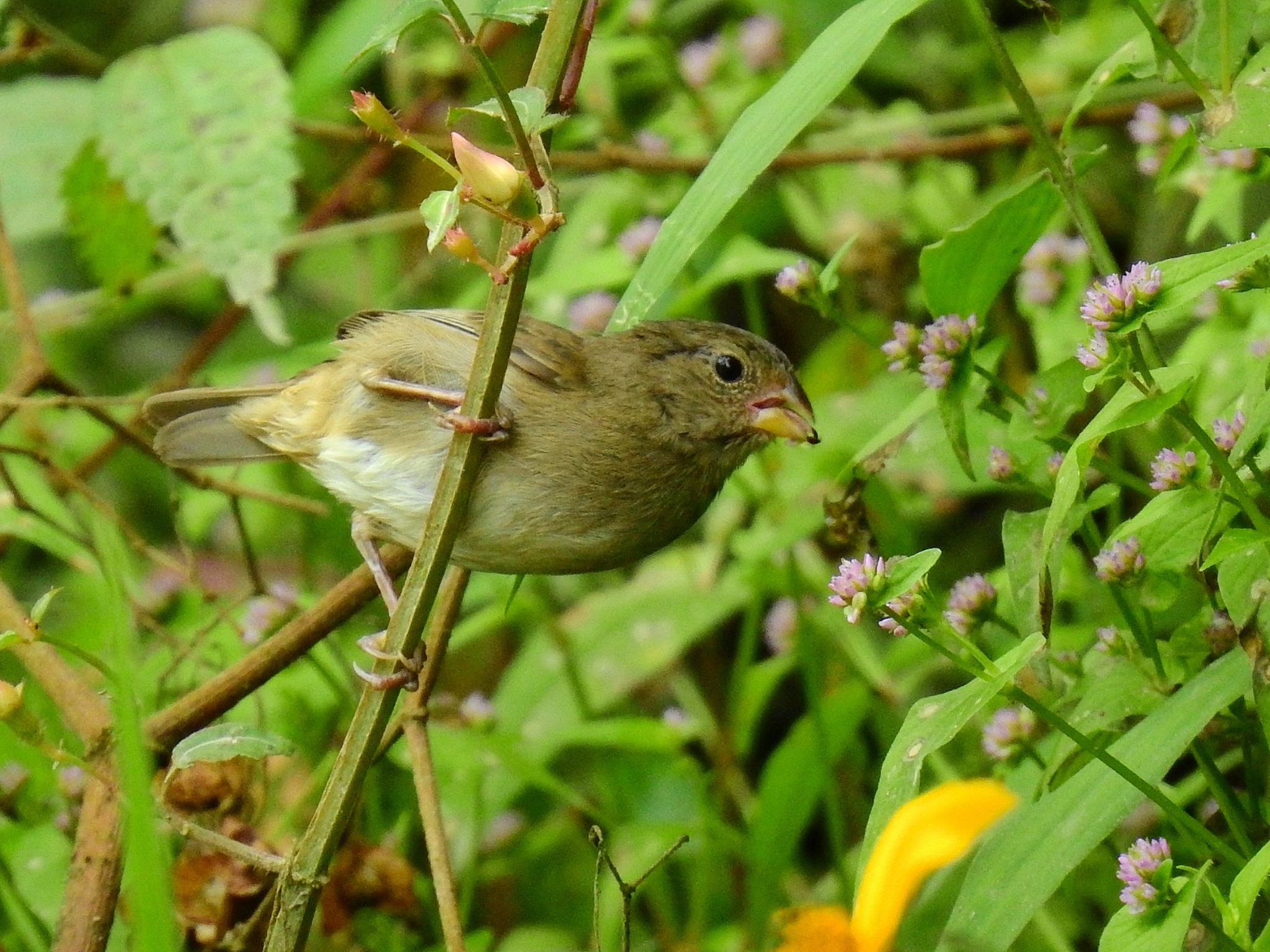 Variable Seedeater
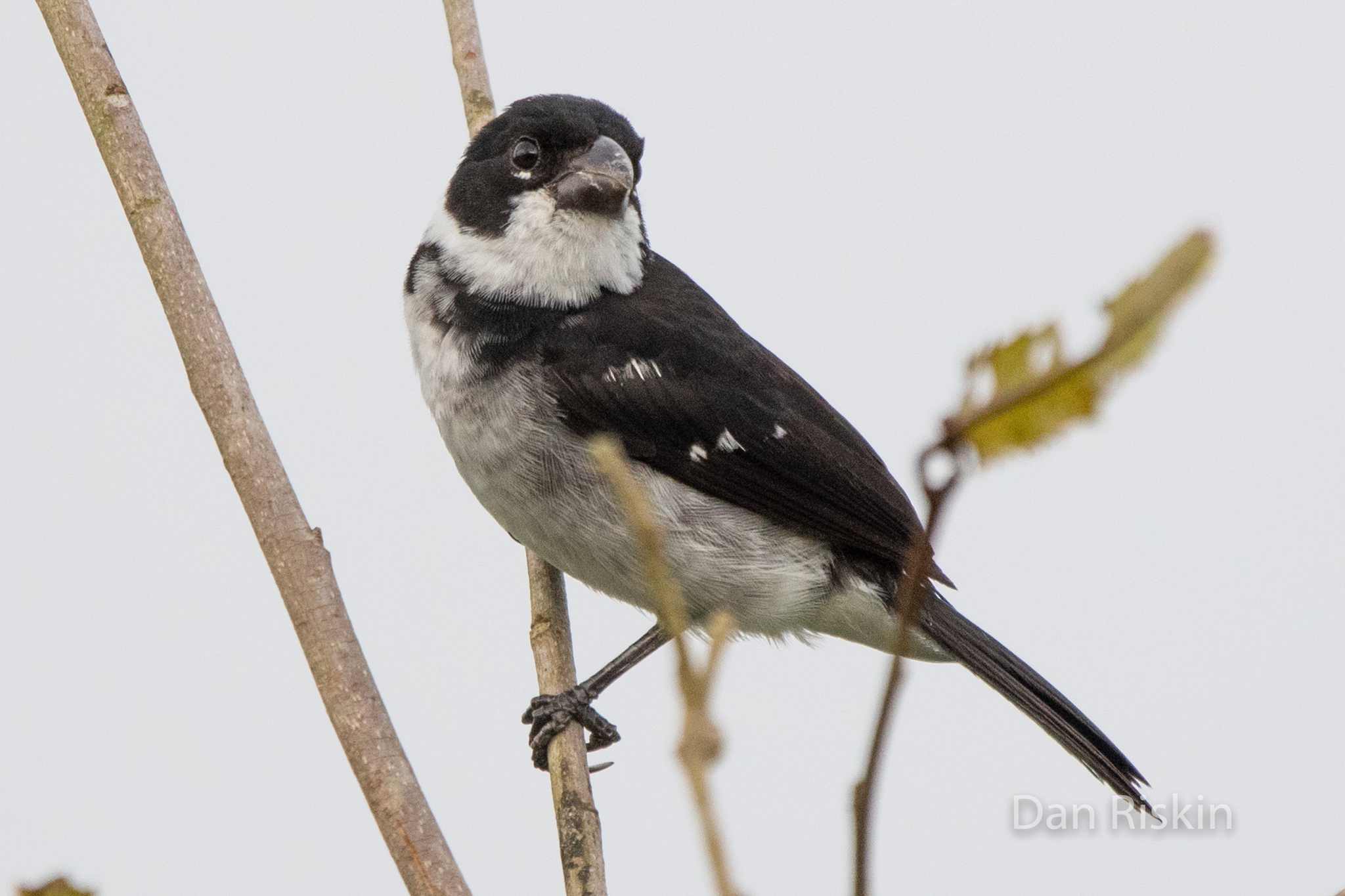 Wing-barred Seedeater
In short
The Variable Seedeater and Wing-barred Seedeater can be tricky to differentiate, especially in overlapping regions. The most reliable field mark is the presence of wing bars in the Wing-barred Seedeater, which are absent in the Variable Seedeater. Both species are small, seed-eating birds found in similar habitats.
Identification tips
- Look for wing bars: The Wing-barred Seedeater has distinct white wing bars, absent in the Variable Seedeater. 2. Check for regional plumage variations: Depending on the subspecies, the Variable Seedeater may show varying amounts of white. 3. Observe in mixed flocks: Both species can be found with other seedeaters, but focus on the wing pattern for identification. 4. Consider location: While both species can overlap, knowing the regional subspecies of the Variable Seedeater can help in identification.
Size
Both species are similar in size, typical of small seedeaters.
Plumage
The Variable Seedeater males are generally black with varying amounts of white depending on the subspecies, while the Wing-barred Seedeater males have distinctive white wing bars. Females and immatures of both species are more subdued in color, often brownish or grayish, but the wing bars on the Wing-barred Seedeater remain a key distinction.
Behaviour
Both species forage primarily for seeds and can be seen in pairs or small groups, often with other seedeaters.
Habitat
Both species inhabit open areas like weedy fields and pastures. They can often be found in similar environments, making habitat alone an unreliable differentiator.
Voice
Vocalizations are not well-documented in the notes provided, and may not be a reliable field mark without further study.
Variable Seedeater · Wing-barred Seedeater · My Tricky Birds