Birdr

Wallcreeper vs Eurasian Nuthatch

Tichodroma muraria versus Sitta europaea

Play a quiz with Wallcreeper and Eurasian Nuthatch
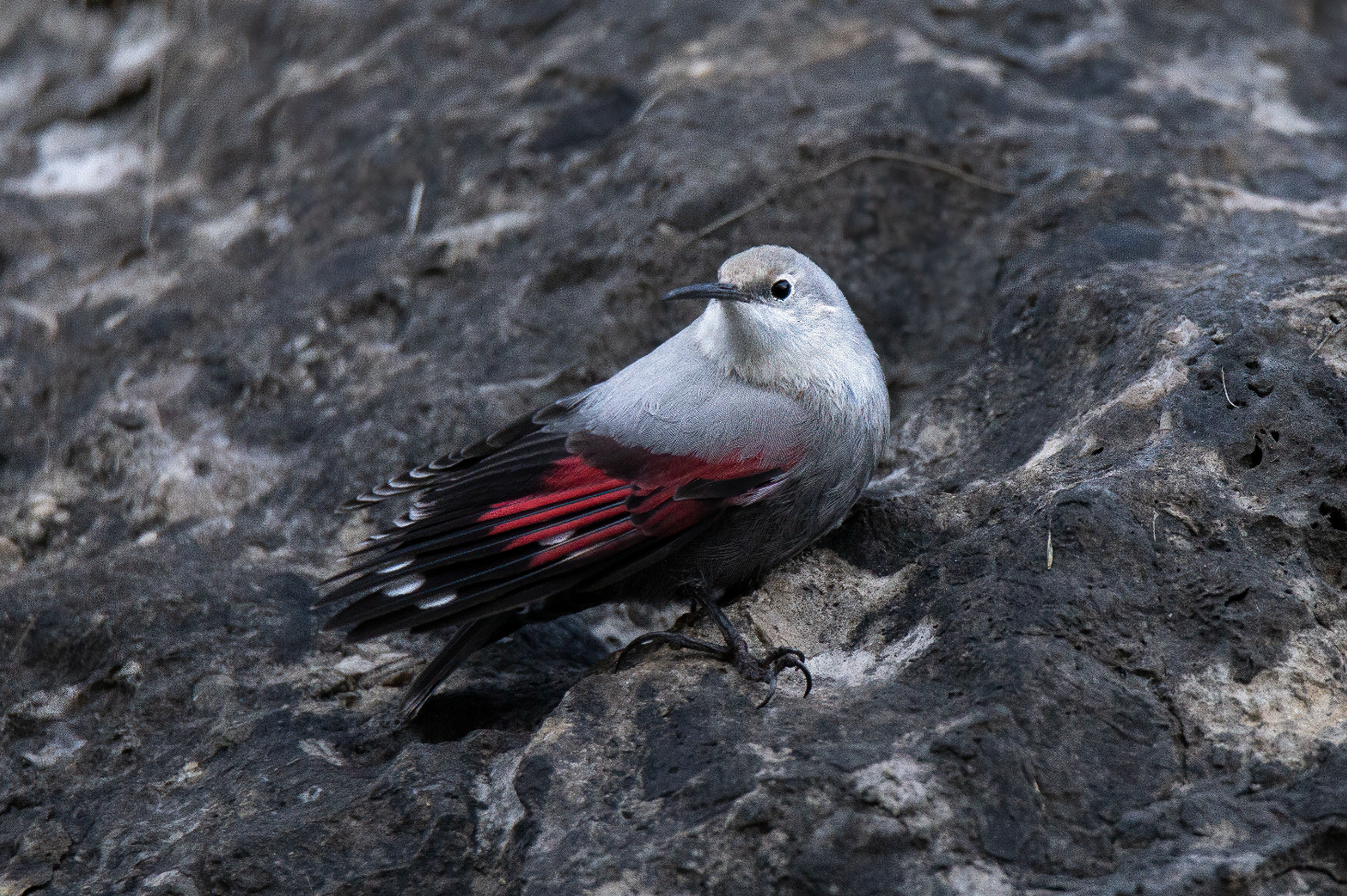
Wallcreeper (Tichodroma muraria) Wallcreeper
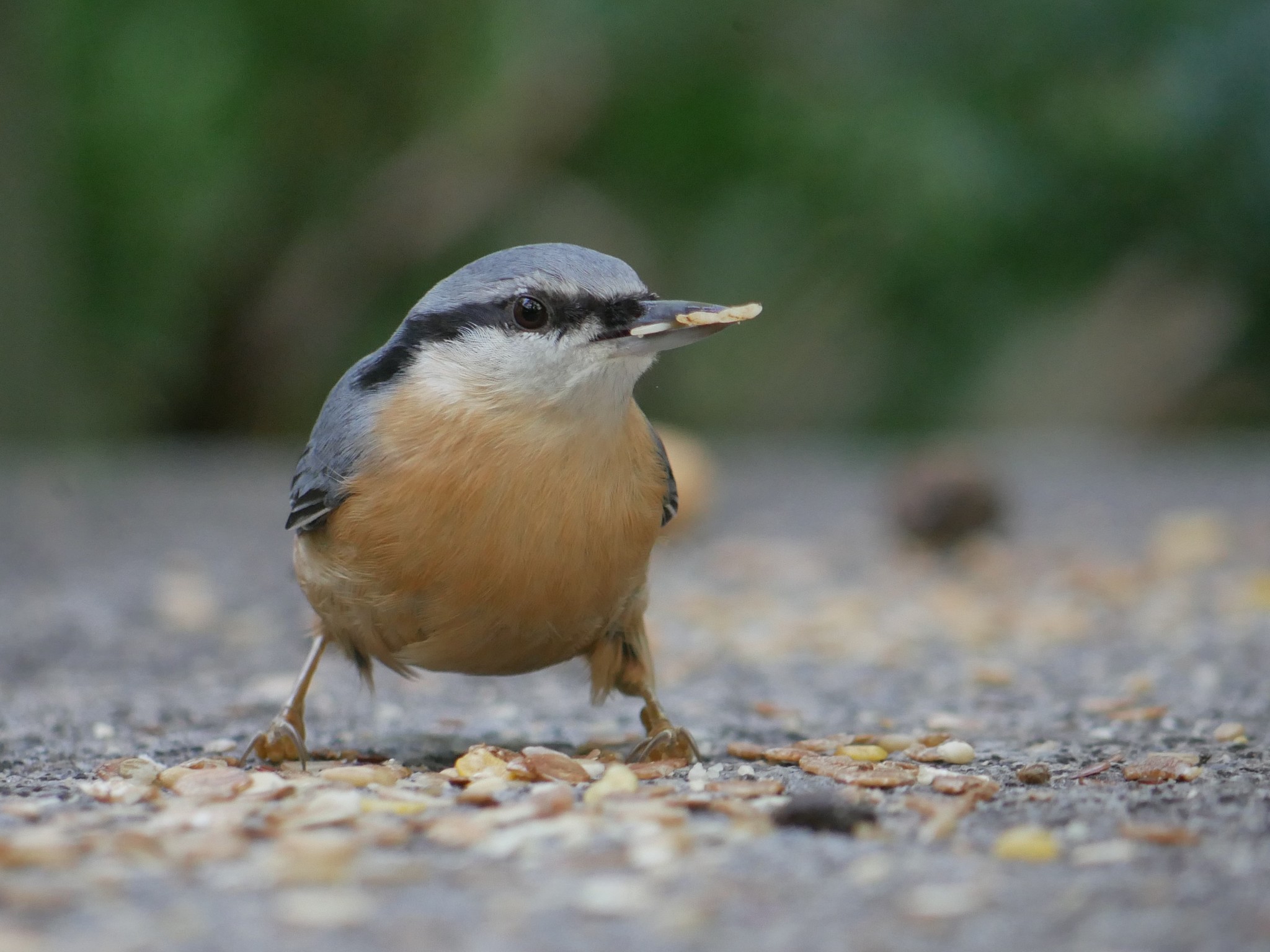
Eurasian Nuthatch (Sitta europaea) Eurasian Nuthatch

Media

Loading…

In short

The Wallcreeper and Eurasian Nuthatch are both small, climbing birds, but the Wallcreeper is unmistakable with its striking black, red, and white wing pattern, especially when flicking its wings. The Eurasian Nuthatch, while also a climber, has a more subdued appearance with a blue-gray back and a buff or white underbelly.

Identification tips

  1. Look for the red and black wing pattern of the Wallcreeper, especially when it flicks its wings. 2. Note the blue-gray back and black eye stripe of the Eurasian Nuthatch. 3. Observe behavior: Wallcreepers are more likely on rock faces, while Nuthatches are often on trees. 4. Consider habitat: Wallcreepers in rocky areas, Nuthatches in woodlands.

Size

Both species are small, but the Wallcreeper tends to appear more delicate and slender compared to the stockier Eurasian Nuthatch.

Plumage

The Wallcreeper is notable for its black, red, and white wings, which are especially visible when the bird flicks its wings. In contrast, the Eurasian Nuthatch has a blue-gray back, a white or buff underbelly, and a distinctive black eye stripe.

Behaviour

Wallcreepers are often seen hopping across rock faces and occasionally on man-made structures, flicking their wings. Eurasian Nuthatches are more likely to be seen climbing tree trunks and branches, often head-down.

Habitat

Wallcreepers prefer rocky and montane habitats but may descend to lower elevations in winter, including urban areas. Eurasian Nuthatches are typically found in woodlands and forests, often at lower elevations.

Voice

The vocalizations of these species are not well-documented here, but the Eurasian Nuthatch is known for its loud, repetitive calls.

Submit a better description

Use the same sections as the comparison. Your text is published immediately.

The Wallcreeper and Eurasian Nuthatch are both small, climbing birds, but the Wallcreeper is unmistakable with its striking black, red, and white wing pattern, especially when flicking its wings. The Eurasian Nuthatch, while also a climber, has a more subdued appearance with a blue-gray back and a buff or white underbelly.

  1. Look for the red and black wing pattern of the Wallcreeper, especially when it flicks its wings. 2. Note the blue-gray back and black eye stripe of the Eurasian Nuthatch. 3. Observe behavior: Wallcreepers are more likely on rock faces, while Nuthatches are often on trees. 4. Consider habitat: Wallcreepers in rocky areas, Nuthatches in woodlands.

Both species are small, but the Wallcreeper tends to appear more delicate and slender compared to the stockier Eurasian Nuthatch.

The Wallcreeper is notable for its black, red, and white wings, which are especially visible when the bird flicks its wings. In contrast, the Eurasian Nuthatch has a blue-gray back, a white or buff underbelly, and a distinctive black eye stripe.

Wallcreepers are often seen hopping across rock faces and occasionally on man-made structures, flicking their wings. Eurasian Nuthatches are more likely to be seen climbing tree trunks and branches, often head-down.

Wallcreepers prefer rocky and montane habitats but may descend to lower elevations in winter, including urban areas. Eurasian Nuthatches are typically found in woodlands and forests, often at lower elevations.

The vocalizations of these species are not well-documented here, but the Eurasian Nuthatch is known for its loud, repetitive calls.

Discard your changes?

You have unsaved edits. If you leave now, those changes will be lost.

Wallcreeper · Eurasian Nuthatch · My Tricky Birds