Birdr

Western Capercaillie vs Little Grebe

Tetrao urogallus versus Tachybaptus ruficollis

Play a quiz with Western Capercaillie and Little Grebe
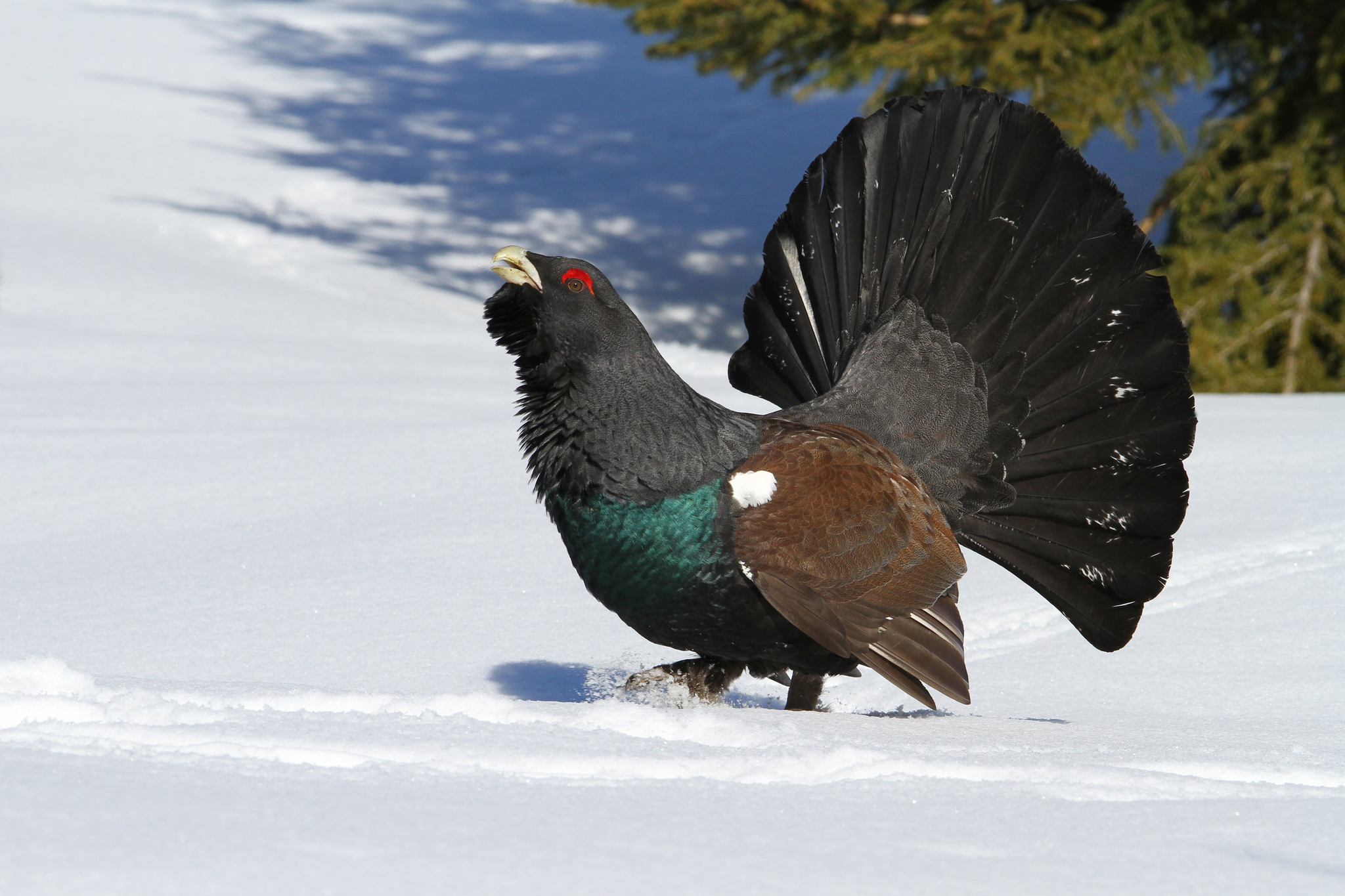
Western Capercaillie (Tetrao urogallus) Western Capercaillie
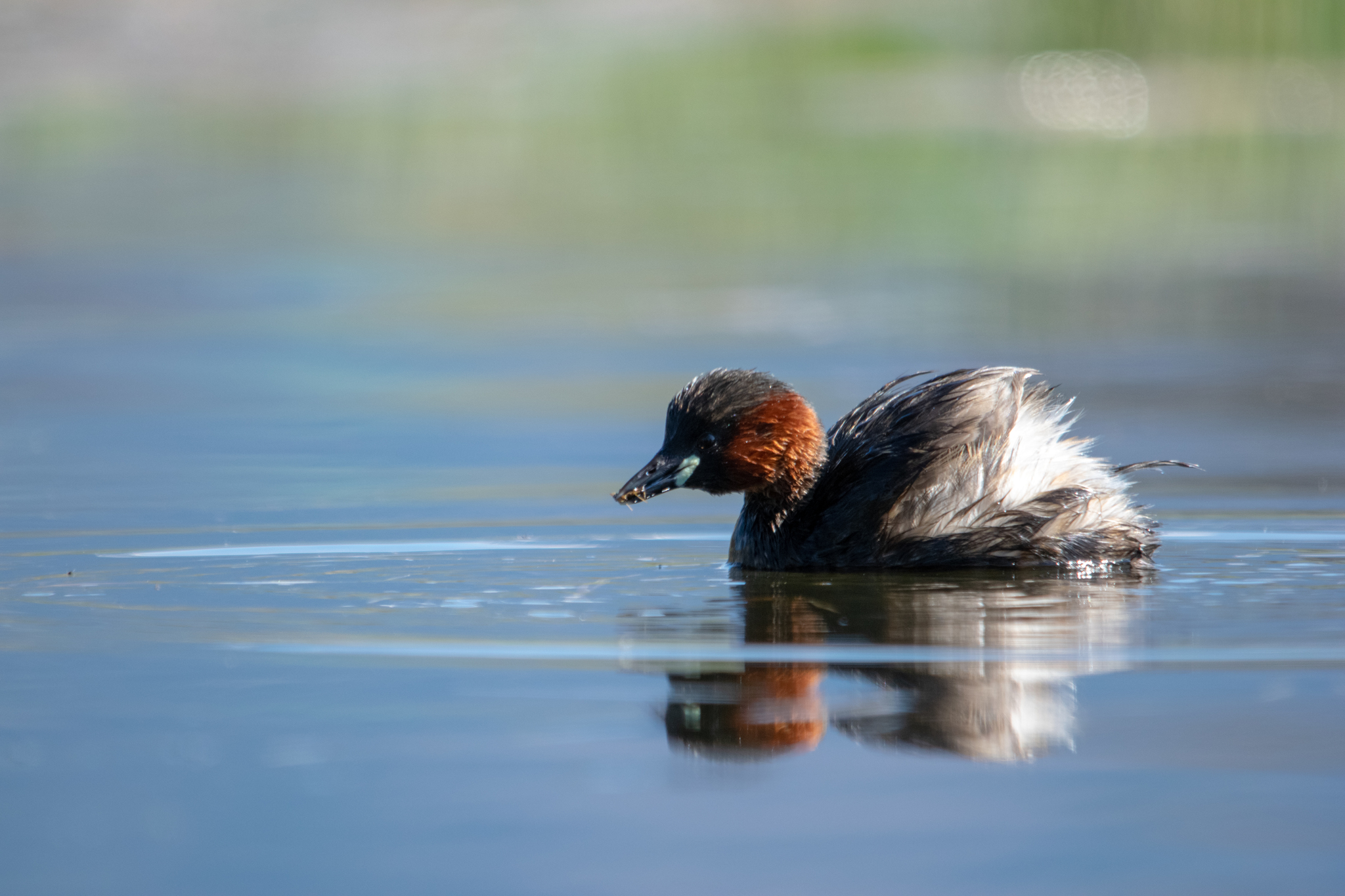
Little Grebe (Tachybaptus ruficollis) Little Grebe

Media

Loading…

In short

The Western Capercaillie and Little Grebe are vastly different in appearance and habitat, making them easy to distinguish in the field. The Capercaillie is a large, forest-dwelling grouse, while the Little Grebe is a small, aquatic bird found in freshwater habitats.

Identification tips

  1. Size and Shape: Look for the large size and robust build of the Capercaillie versus the small, compact shape of the Little Grebe. 2. Habitat: Note the forest environment for Capercaillies and aquatic settings for Little Grebes. 3. Plumage: Observe the iridescent black and brown plumage of the Capercaillie compared to the chestnut neck and dark back of the Little Grebe. 4. Behavior: Capercaillies are often on the ground, while Little Grebes are seen swimming and diving. 5. Vocalization: Listen for the complex calls of the Capercaillie during mating season and the trilling of the Little Grebe.

Size

The Western Capercaillie is significantly larger than the Little Grebe, with the former being one of the largest grouse species and the latter being a small grebe.

Plumage

The Western Capercaillie has a dark, bulky appearance with males showing iridescent black plumage and females being mottled brown. In contrast, the Little Grebe is much smaller with a compact body, featuring a dark back and a distinctive chestnut neck during breeding season.

Behaviour

Western Capercaillies are ground-dwelling and often seen in coniferous forests, while Little Grebes are adept swimmers and divers, frequently seen on the water's surface or diving for food.

Habitat

Western Capercaillies inhabit dense coniferous forests across Eurasia, whereas Little Grebes are found in freshwater bodies like lakes, ponds, and slow-moving rivers.

Voice

The Western Capercaillie is known for its unique and complex mating calls during the breeding season, while the Little Grebe produces a distinctive trilling call.

Submit a better description

Use the same sections as the comparison. Your text is published immediately.

The Western Capercaillie and Little Grebe are vastly different in appearance and habitat, making them easy to distinguish in the field. The Capercaillie is a large, forest-dwelling grouse, while the Little Grebe is a small, aquatic bird found in freshwater habitats.

  1. Size and Shape: Look for the large size and robust build of the Capercaillie versus the small, compact shape of the Little Grebe. 2. Habitat: Note the forest environment for Capercaillies and aquatic settings for Little Grebes. 3. Plumage: Observe the iridescent black and brown plumage of the Capercaillie compared to the chestnut neck and dark back of the Little Grebe. 4. Behavior: Capercaillies are often on the ground, while Little Grebes are seen swimming and diving. 5. Vocalization: Listen for the complex calls of the Capercaillie during mating season and the trilling of the Little Grebe.

The Western Capercaillie is significantly larger than the Little Grebe, with the former being one of the largest grouse species and the latter being a small grebe.

The Western Capercaillie has a dark, bulky appearance with males showing iridescent black plumage and females being mottled brown. In contrast, the Little Grebe is much smaller with a compact body, featuring a dark back and a distinctive chestnut neck during breeding season.

Western Capercaillies are ground-dwelling and often seen in coniferous forests, while Little Grebes are adept swimmers and divers, frequently seen on the water's surface or diving for food.

Western Capercaillies inhabit dense coniferous forests across Eurasia, whereas Little Grebes are found in freshwater bodies like lakes, ponds, and slow-moving rivers.

The Western Capercaillie is known for its unique and complex mating calls during the breeding season, while the Little Grebe produces a distinctive trilling call.

Discard your changes?

You have unsaved edits. If you leave now, those changes will be lost.

Western Capercaillie · Little Grebe · My Tricky Birds