Birdr

Western Cattle-Egret vs Grey Heron

Ardea ibis versus Ardea cinerea

Play a quiz with Western Cattle-Egret and Grey Heron
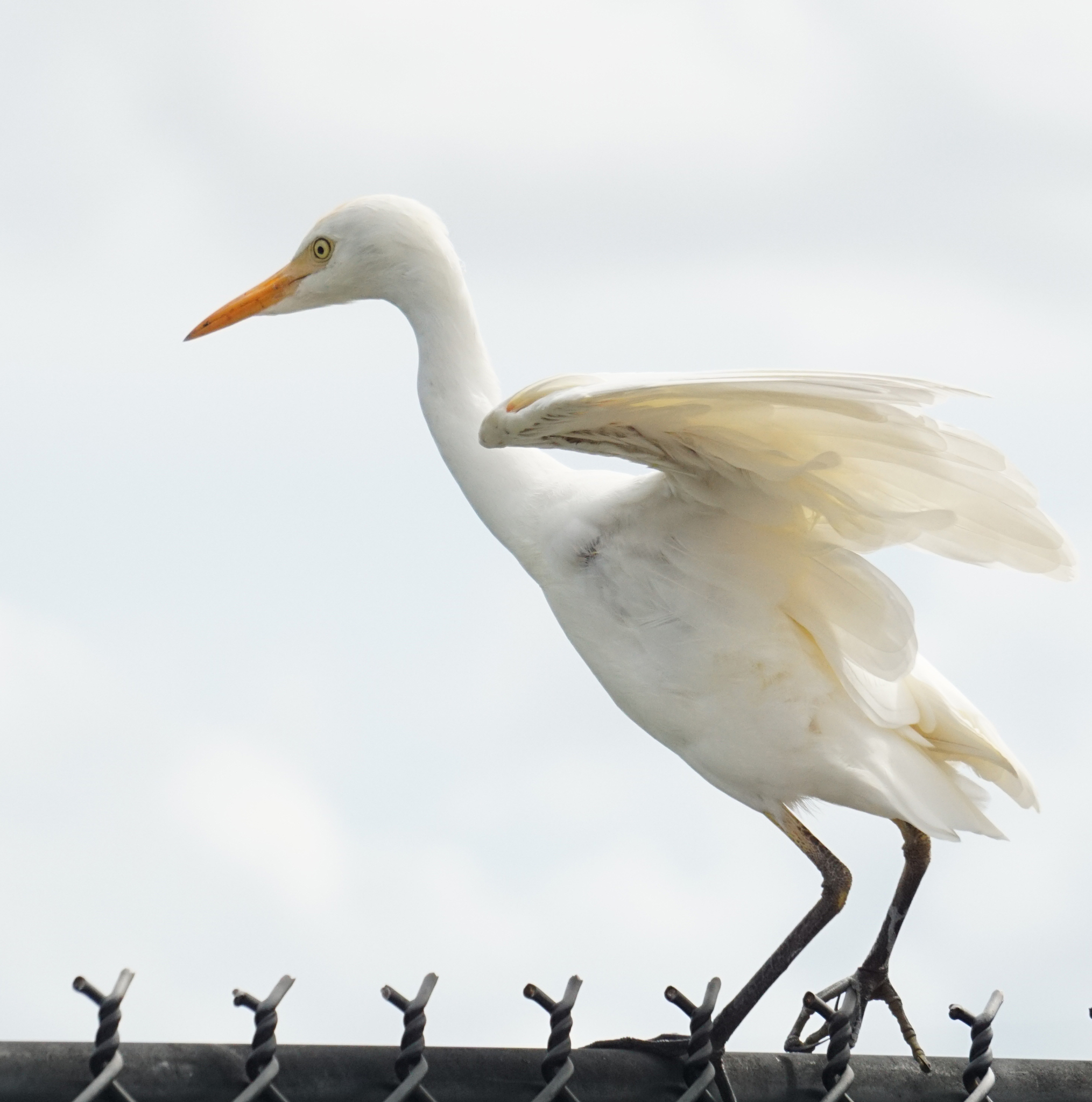
Western Cattle-Egret (Ardea ibis) Western Cattle-Egret
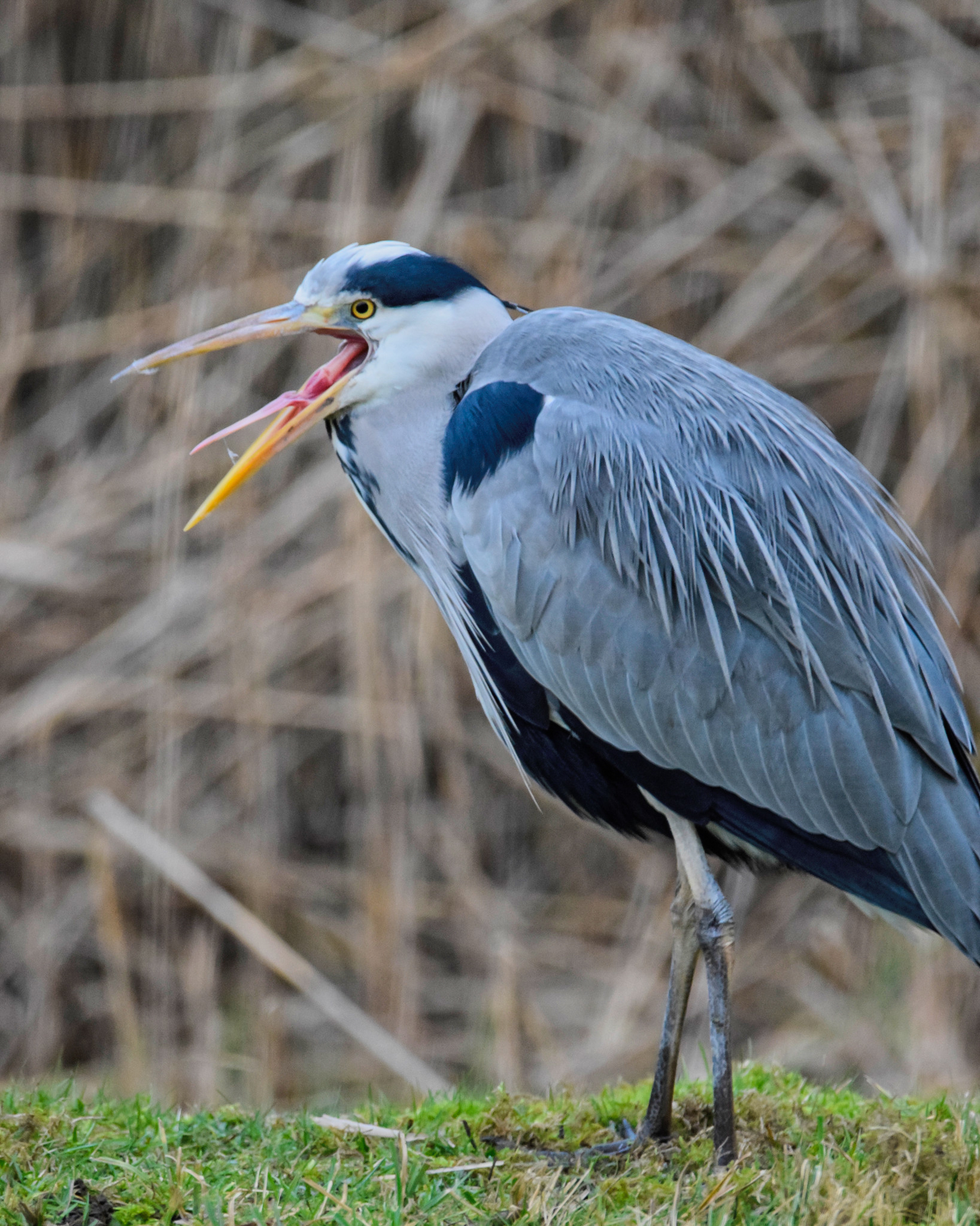
Grey Heron (Ardea cinerea) Grey Heron

Media

Loading…

In short

The Western Cattle-Egret and Grey Heron differ significantly in size and habitat preference. The Cattle-Egret is smaller, often found in grasslands and pastures, while the Grey Heron is larger and typically seen near water bodies. Their plumage and behavior also offer distinct identification cues.

Identification tips

  1. Size and Shape: Note the smaller size and more compact build of the Western Cattle-Egret compared to the larger Grey Heron. 2. Plumage: Look for the buff plumes on the Cattle-Egret during breeding season; Grey Herons have a distinctive black stripe on the head. 3. Habitat: Cattle-Egrets are often in fields with livestock, while Grey Herons are near water. 4. Behavior: Cattle-Egrets follow grazing animals; Grey Herons hunt alone at water edges.

Size

The Western Cattle-Egret is smaller and more compact compared to the larger and more robust Grey Heron.

Plumage

Western Cattle-Egret has white plumage with buff plumes during the breeding season, especially on the head and back. The Grey Heron exhibits a slate gray to blue dorsal side with a white head and neck, featuring a distinctive black supercilium and plumes.

Behaviour

Western Cattle-Egrets are often seen in association with grazing animals, feeding on insects disturbed by livestock. Grey Herons are solitary hunters, primarily ambushing fish and amphibians at the water's edge.

Habitat

Western Cattle-Egrets prefer grasslands, pastures, and areas with grazing animals. Grey Herons are found near freshwater bodies, wetlands, and occasionally in urban areas.

Submit a better description

Use the same sections as the comparison. Your text is published immediately.

The Western Cattle-Egret and Grey Heron differ significantly in size and habitat preference. The Cattle-Egret is smaller, often found in grasslands and pastures, while the Grey Heron is larger and typically seen near water bodies. Their plumage and behavior also offer distinct identification cues.

  1. Size and Shape: Note the smaller size and more compact build of the Western Cattle-Egret compared to the larger Grey Heron. 2. Plumage: Look for the buff plumes on the Cattle-Egret during breeding season; Grey Herons have a distinctive black stripe on the head. 3. Habitat: Cattle-Egrets are often in fields with livestock, while Grey Herons are near water. 4. Behavior: Cattle-Egrets follow grazing animals; Grey Herons hunt alone at water edges.

The Western Cattle-Egret is smaller and more compact compared to the larger and more robust Grey Heron.

Western Cattle-Egret has white plumage with buff plumes during the breeding season, especially on the head and back. The Grey Heron exhibits a slate gray to blue dorsal side with a white head and neck, featuring a distinctive black supercilium and plumes.

Western Cattle-Egrets are often seen in association with grazing animals, feeding on insects disturbed by livestock. Grey Herons are solitary hunters, primarily ambushing fish and amphibians at the water's edge.

Western Cattle-Egrets prefer grasslands, pastures, and areas with grazing animals. Grey Herons are found near freshwater bodies, wetlands, and occasionally in urban areas.

Discard your changes?

You have unsaved edits. If you leave now, those changes will be lost.

Western Cattle-Egret · Grey Heron · My Tricky Birds