
Western Meadowlark vs Yellow-rumped Warbler
Sturnella neglecta versus Setophaga coronata
Play a quiz with Western Meadowlark and Yellow-rumped Warbler
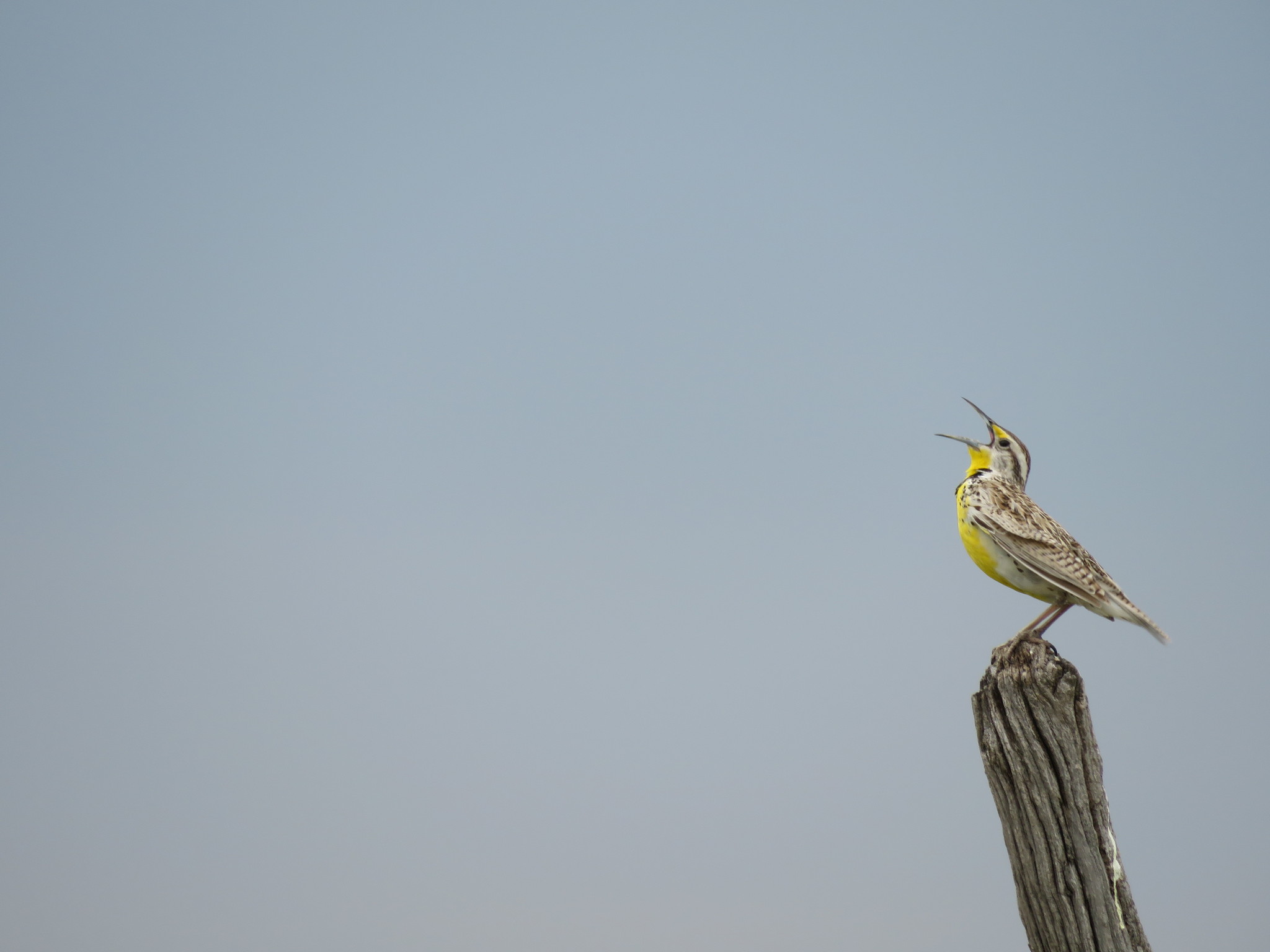 Western Meadowlark
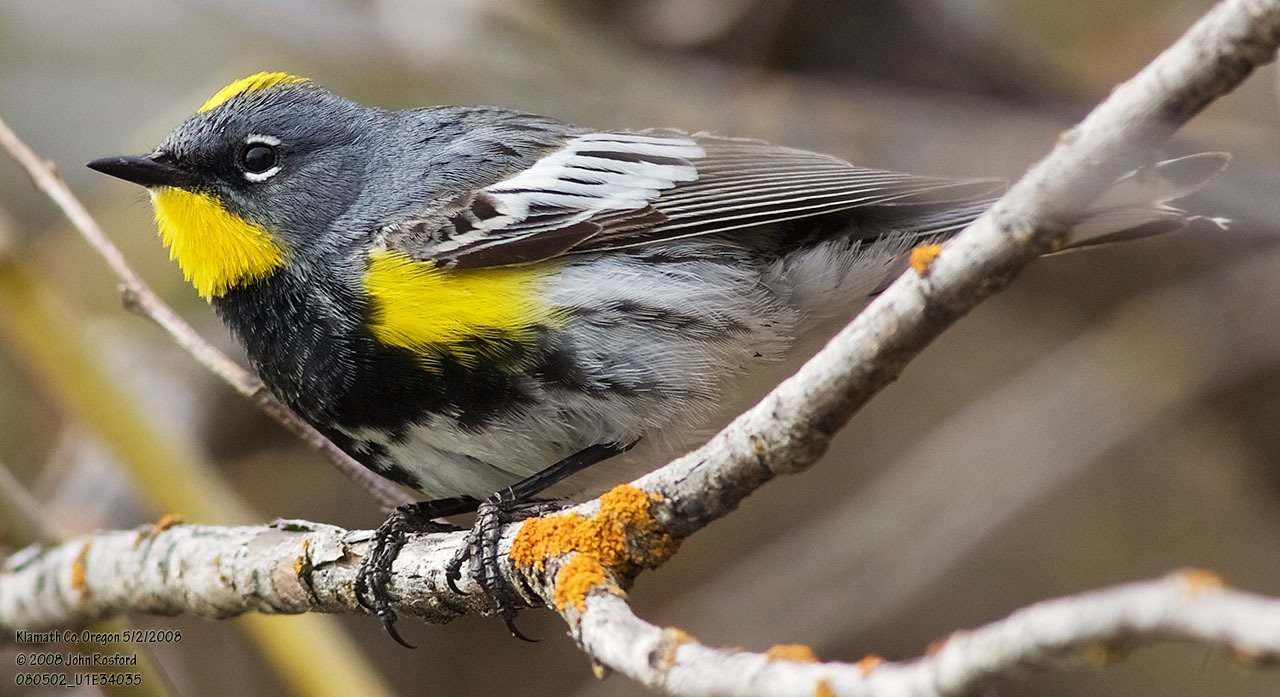 Yellow-rumped Warbler
In short
The Western Meadowlark and Yellow-rumped Warbler are distinct in both appearance and behavior. The meadowlark is a larger, ground-dwelling bird with a striking yellow breast and black 'V' bib, while the warbler is smaller, more arboreal, and features a distinctive yellow rump patch. Their songs are also notably different, aiding in identification.
Identification tips
- Size and Shape: Look for the larger size and robust build of the Western Meadowlark compared to the smaller, more delicate Yellow-rumped Warbler. 2. Plumage: Note the yellow breast with a black 'V' on the meadowlark versus the yellow rump patch on the warbler. 3. Habitat and Behavior: Observe the meadowlark on the ground in open areas and the warbler in trees or shrubs. 4. Vocalization: Listen for the meadowlark's melodious song versus the warbler's varied calls.
Size
The Western Meadowlark is significantly larger than the Yellow-rumped Warbler, with a more robust build.
Plumage
Western Meadowlarks have a yellow breast with a black 'V' bib and white tail margins, while Yellow-rumped Warblers have a grayish body with a yellow rump and sometimes a yellow throat, depending on the subspecies.
Behaviour
Western Meadowlarks are often seen on the ground in open fields, while Yellow-rumped Warblers are more arboreal, foraging in trees and shrubs.
Habitat
Western Meadowlarks inhabit open grasslands and fields, whereas Yellow-rumped Warblers can be found in a variety of habitats, including forests and coastal areas, especially during migration.
Voice
Western Meadowlarks have a melodious and flute-like song, distinct from the more varied and buzzy calls of the Yellow-rumped Warbler.
Western Meadowlark · Yellow-rumped Warbler · My Tricky Birds