Birdr

Western Wood-Pewee vs Canada Warbler

Contopus sordidulus versus Cardellina canadensis

Play a quiz with Western Wood-Pewee and Canada Warbler
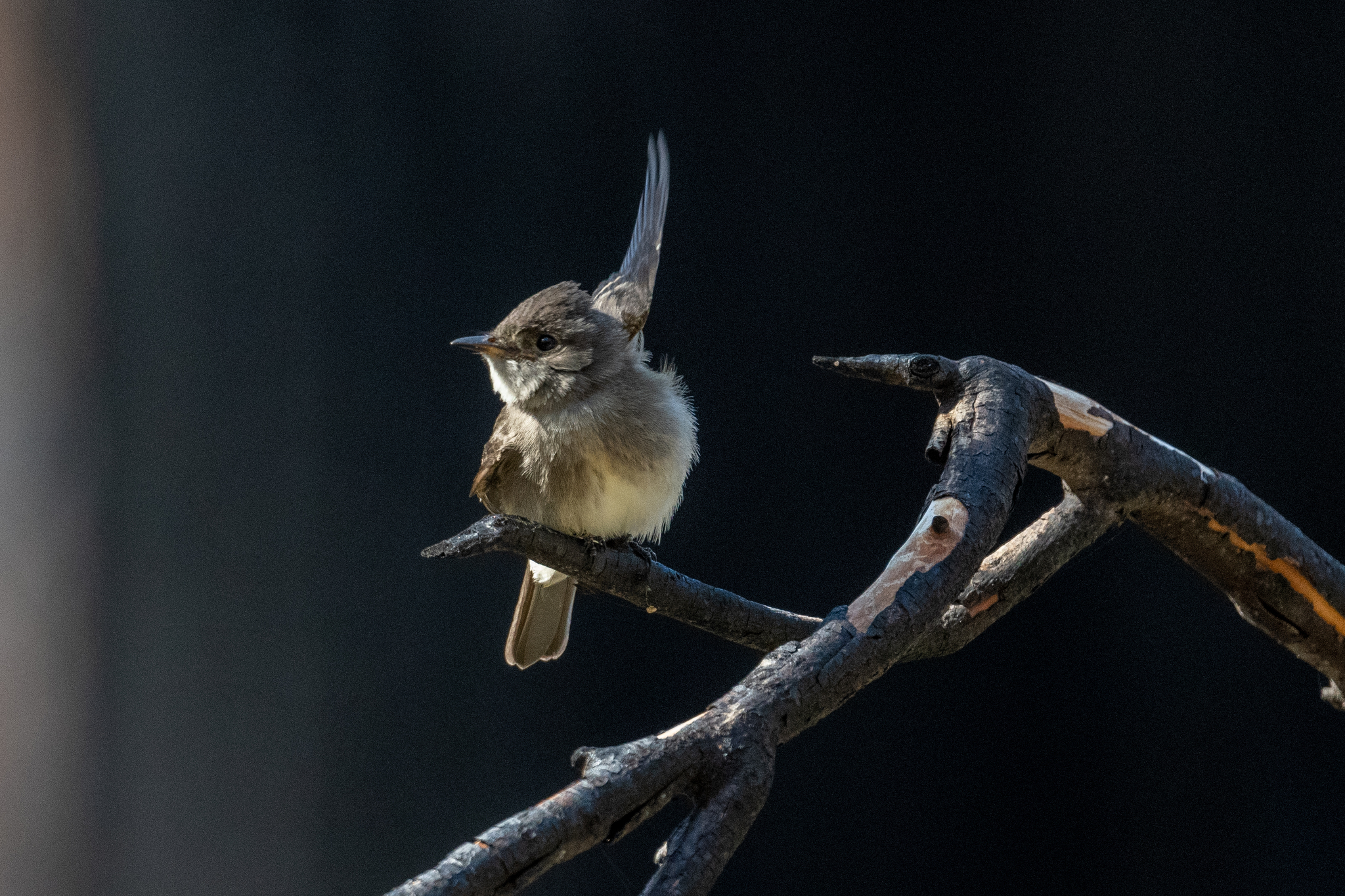
Western Wood-Pewee (Contopus sordidulus) Western Wood-Pewee
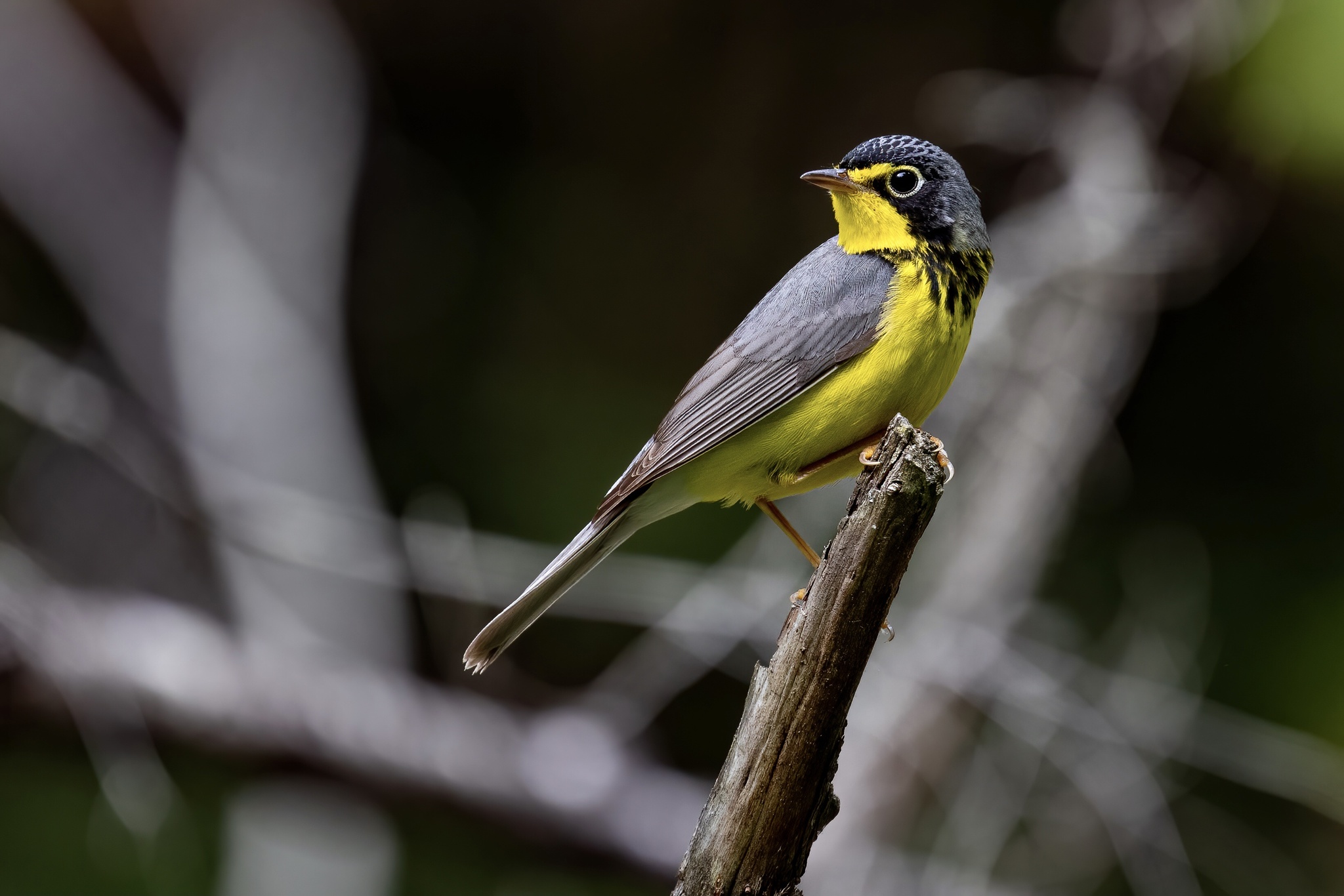
Canada Warbler (Cardellina canadensis) Canada Warbler

Media

Loading…

In short

The Western Wood-Pewee and Canada Warbler are distinct in structure and behavior, with the pewee being a flycatcher and the warbler a ground-foraging songbird. The pewee is best identified by its sit-and-wait hunting style and lack of bold plumage, while the warbler is noted for its vibrant yellow underparts and distinctive necklace of streaks.

Identification tips

1. Look for the Western Wood-Pewee's plain grayish-brown plumage and aerial insect-catching behavior. 2. Note the Canada Warbler's bright yellow underparts with a black necklace and active foraging style. 3. Listen for the pewee's 'pee-a-wee' call versus the warbler's rapid, musical song. 4. Consider habitat: pewees in open woodlands, warblers in dense forests.

Size

Western Wood-Pewee is slightly larger and more robust than the smaller, more delicate Canada Warbler.

Plumage

Western Wood-Pewee has a plain, grayish-brown plumage with no bold markings, while the Canada Warbler is bright yellow below with a distinctive black necklace of streaks and a bluish-gray back.

Behaviour

Western Wood-Pewee is a sit-and-wait predator, often seen sallying from perches to catch insects mid-air. Canada Warbler is more active, foraging for insects among foliage and often seen hopping on the ground.

Habitat

Western Wood-Pewee prefers open woodlands and edges, often near water. Canada Warbler is typically found in dense, moist forests with a well-developed understory.

Voice

Western Wood-Pewee has a distinctive, whistled 'pee-a-wee' call, while the Canada Warbler's song is a rapid, musical series of notes. Vocalizations are a key differentiator.

Submit a better description

Use the same sections as the comparison. Your text is published immediately.

The Western Wood-Pewee and Canada Warbler are distinct in structure and behavior, with the pewee being a flycatcher and the warbler a ground-foraging songbird. The pewee is best identified by its sit-and-wait hunting style and lack of bold plumage, while the warbler is noted for its vibrant yellow underparts and distinctive necklace of streaks.

1. Look for the Western Wood-Pewee's plain grayish-brown plumage and aerial insect-catching behavior. 2. Note the Canada Warbler's bright yellow underparts with a black necklace and active foraging style. 3. Listen for the pewee's 'pee-a-wee' call versus the warbler's rapid, musical song. 4. Consider habitat: pewees in open woodlands, warblers in dense forests.

Western Wood-Pewee is slightly larger and more robust than the smaller, more delicate Canada Warbler.

Western Wood-Pewee has a plain, grayish-brown plumage with no bold markings, while the Canada Warbler is bright yellow below with a distinctive black necklace of streaks and a bluish-gray back.

Western Wood-Pewee is a sit-and-wait predator, often seen sallying from perches to catch insects mid-air. Canada Warbler is more active, foraging for insects among foliage and often seen hopping on the ground.

Western Wood-Pewee prefers open woodlands and edges, often near water. Canada Warbler is typically found in dense, moist forests with a well-developed understory.

Western Wood-Pewee has a distinctive, whistled 'pee-a-wee' call, while the Canada Warbler's song is a rapid, musical series of notes. Vocalizations are a key differentiator.

Discard your changes?

You have unsaved edits. If you leave now, those changes will be lost.

Western Wood-Pewee · Canada Warbler · My Tricky Birds