Birdr

Western Yellow Wagtail vs Richard's Pipit

Motacilla flava versus Anthus richardi

Play a quiz with Western Yellow Wagtail and Richard's Pipit
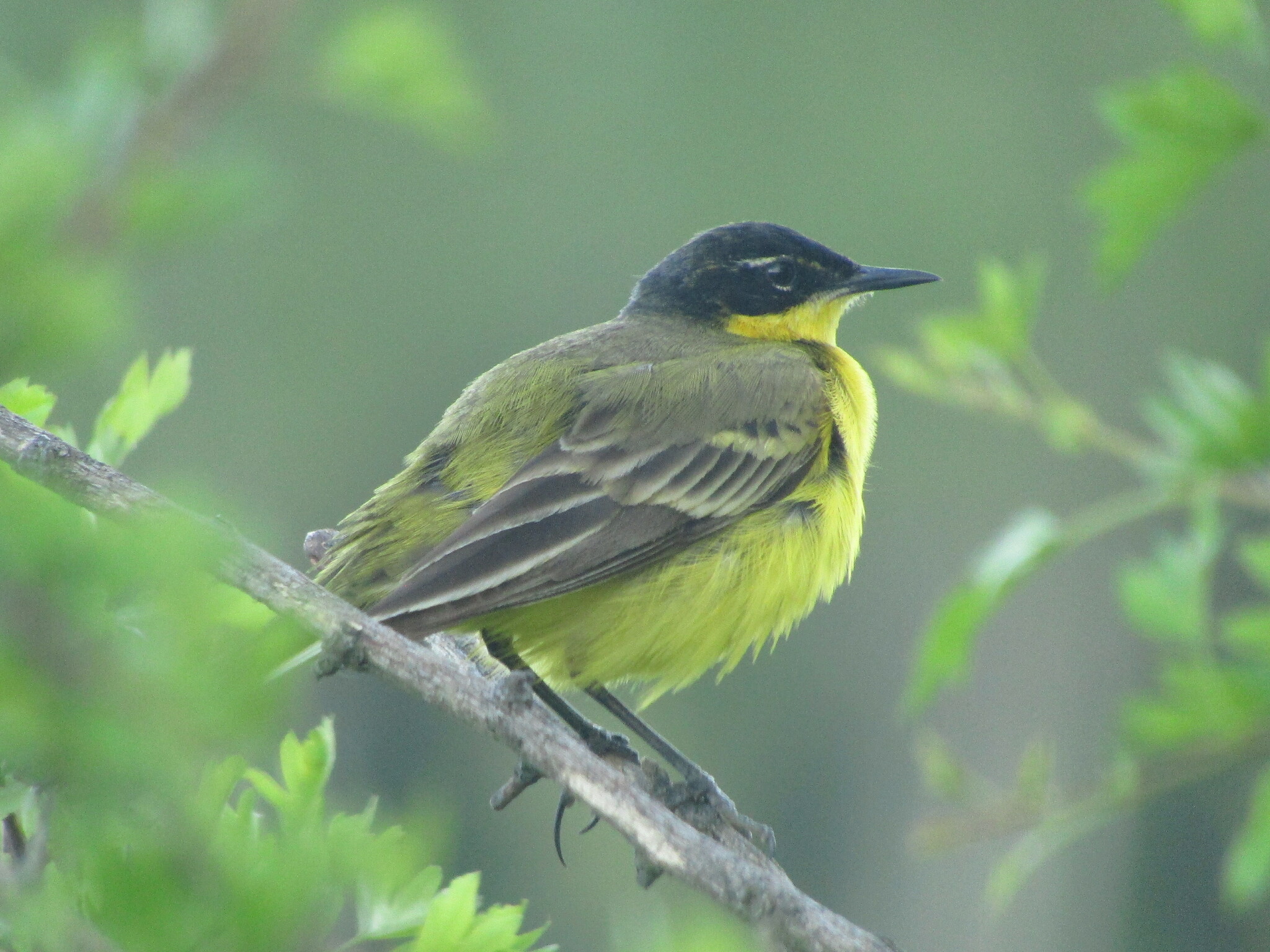
Western Yellow Wagtail (Motacilla flava) Western Yellow Wagtail
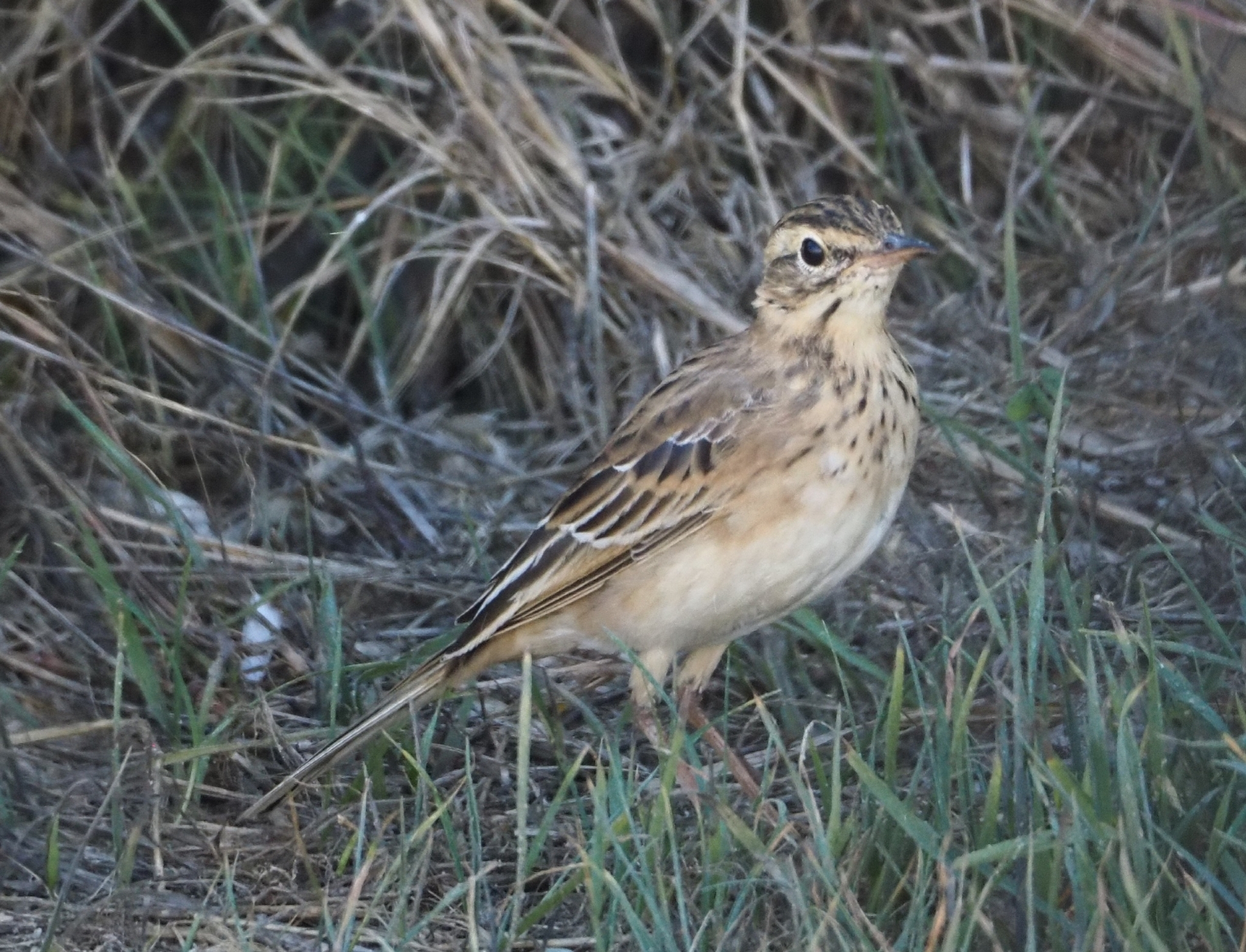
Richard's Pipit (Anthus richardi) Richard's Pipit

Media

Loading…

In short

The Western Yellow Wagtail and Richard's Pipit can be differentiated primarily by their structure and behavior. The wagtail is more slender with a longer tail, while the pipit is more robust with a shorter tail and a more upright stance. Both species have similar coloration, but the wagtail's yellow tones are more pronounced.

Identification tips

  1. Look for the wagtail's longer tail and more pronounced yellow underparts. 2. Observe the posture: wagtails are more horizontal, pipits more upright. 3. Note the habitat: wagtails in wetter areas, pipits in drier fields. 4. Listen for calls: wagtails are more melodic, pipits are buzzier. 5. Be cautious of seasonal and age variations in plumage.

Size

Richard's Pipit is generally larger and more robust compared to the more slender Western Yellow Wagtail.

Plumage

Western Yellow Wagtail has more pronounced yellow underparts, especially in breeding males, while Richard's Pipit is more subdued with brownish tones overall. The wagtail's supercilium is more distinct.

Behaviour

Western Yellow Wagtail often exhibits tail wagging behavior, while Richard's Pipit tends to walk with a more upright posture and may perform short flights with a bounding motion.

Habitat

Both species can be found in open habitats, but Western Yellow Wagtail prefers wetter areas like marshes and wet meadows, whereas Richard's Pipit is more often found in dry grasslands and fields.

Voice

Western Yellow Wagtail has a more melodic call, while Richard's Pipit produces a more drawn-out, buzzy call. However, vocalizations can be variable and may overlap.

Submit a better description

Use the same sections as the comparison. Your text is published immediately.

The Western Yellow Wagtail and Richard's Pipit can be differentiated primarily by their structure and behavior. The wagtail is more slender with a longer tail, while the pipit is more robust with a shorter tail and a more upright stance. Both species have similar coloration, but the wagtail's yellow tones are more pronounced.

  1. Look for the wagtail's longer tail and more pronounced yellow underparts. 2. Observe the posture: wagtails are more horizontal, pipits more upright. 3. Note the habitat: wagtails in wetter areas, pipits in drier fields. 4. Listen for calls: wagtails are more melodic, pipits are buzzier. 5. Be cautious of seasonal and age variations in plumage.

Richard's Pipit is generally larger and more robust compared to the more slender Western Yellow Wagtail.

Western Yellow Wagtail has more pronounced yellow underparts, especially in breeding males, while Richard's Pipit is more subdued with brownish tones overall. The wagtail's supercilium is more distinct.

Western Yellow Wagtail often exhibits tail wagging behavior, while Richard's Pipit tends to walk with a more upright posture and may perform short flights with a bounding motion.

Both species can be found in open habitats, but Western Yellow Wagtail prefers wetter areas like marshes and wet meadows, whereas Richard's Pipit is more often found in dry grasslands and fields.

Western Yellow Wagtail has a more melodic call, while Richard's Pipit produces a more drawn-out, buzzy call. However, vocalizations can be variable and may overlap.

Discard your changes?

You have unsaved edits. If you leave now, those changes will be lost.

Western Yellow Wagtail · Richard's Pipit · My Tricky Birds