Birdr

Whimbrel vs White-throated Dipper

Numenius phaeopus versus Cinclus cinclus

Play a quiz with Whimbrel and White-throated Dipper
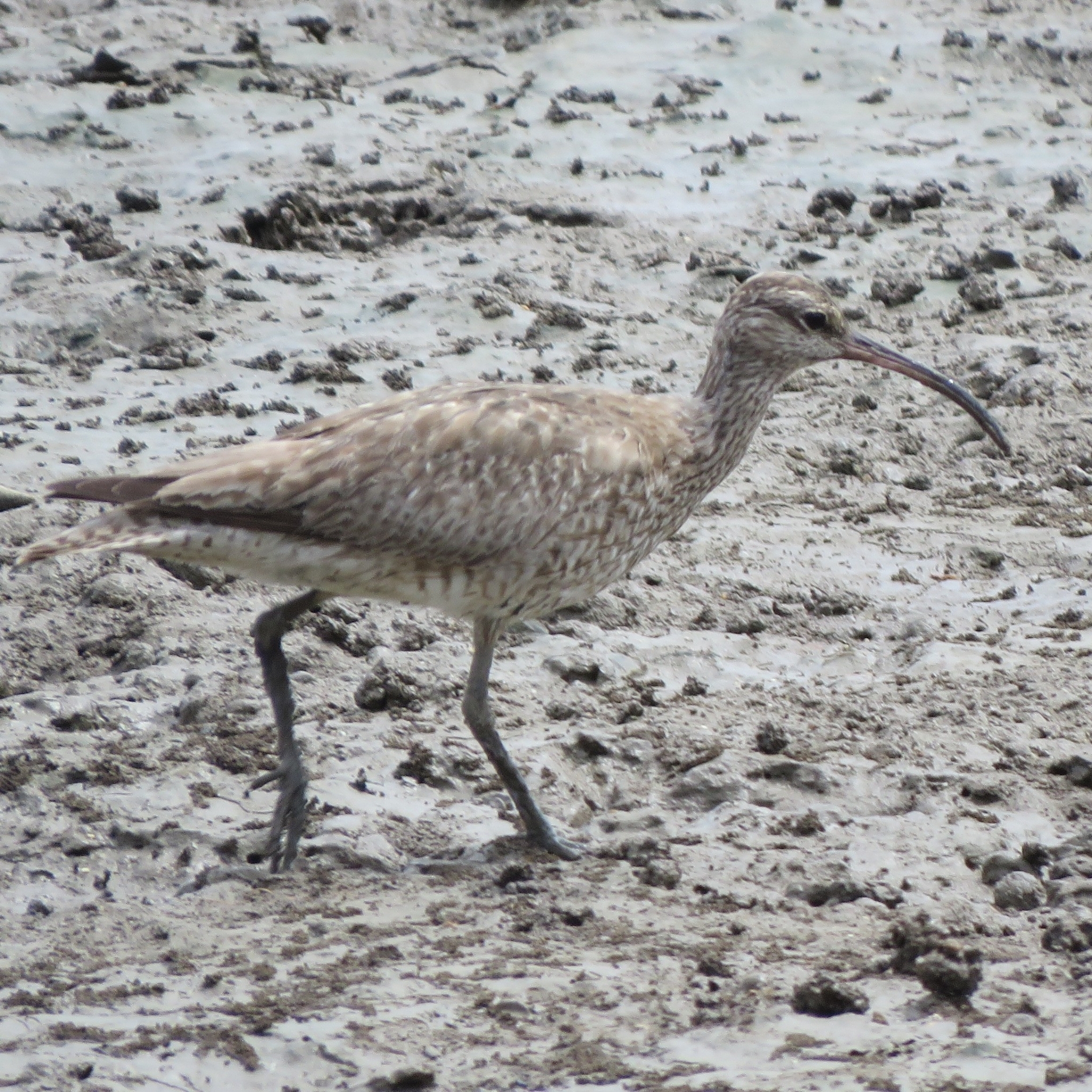
Whimbrel (Numenius phaeopus) Whimbrel
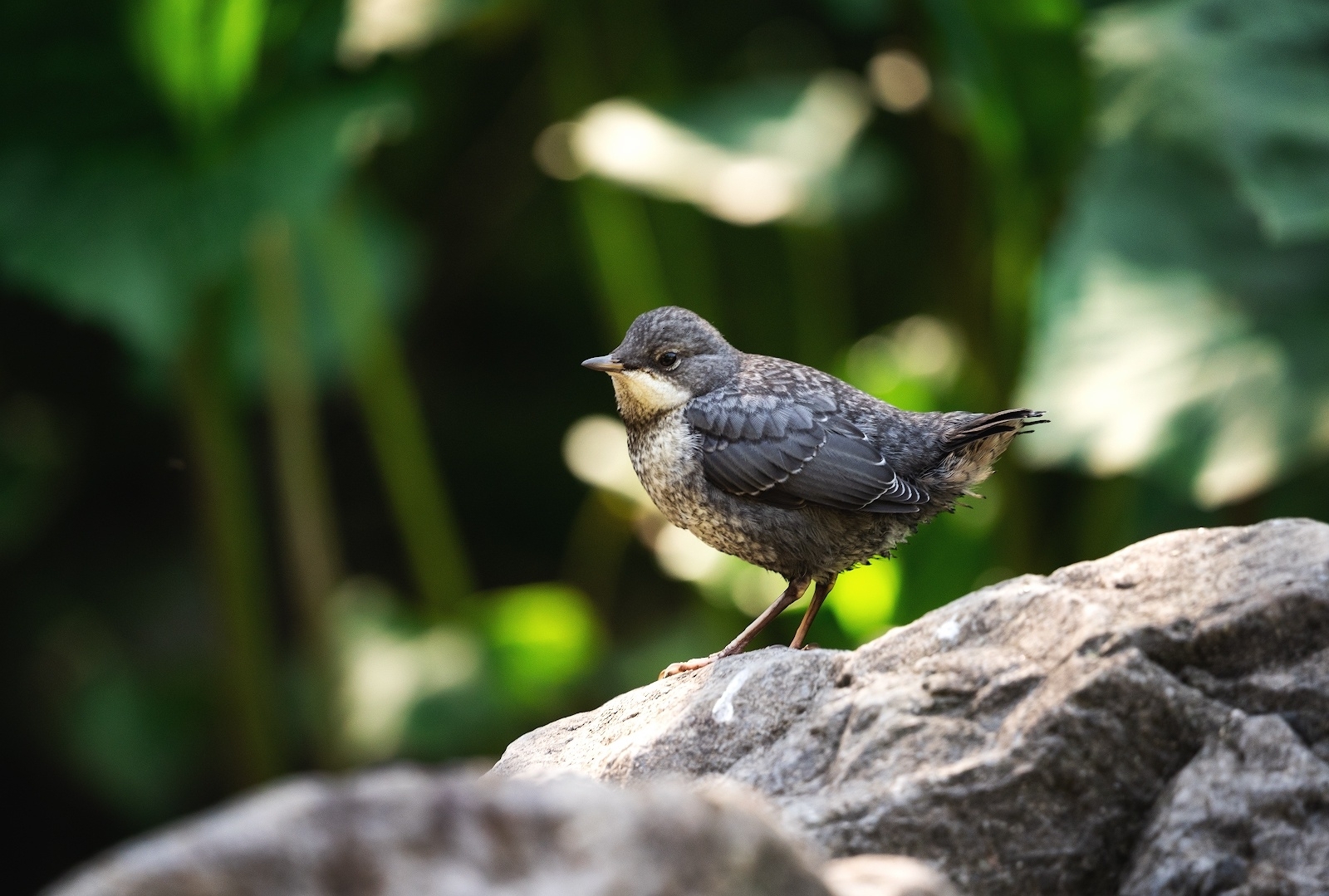
White-throated Dipper (Cinclus cinclus) White-throated Dipper

Media

Loading…

In short

The Whimbrel and White-throated Dipper are easily distinguished by their habitat and appearance. Whimbrels are large waders with long, curved bills, while White-throated Dippers are small, stout birds often found near fast-flowing streams.

Identification tips

  1. Habitat: Look for Whimbrels in open coastal areas and Dippers near streams. 2. Size and Shape: Note the Whimbrel's larger size and long, curved bill versus the Dipper's smaller, more compact form. 3. Plumage: Whimbrels have a streaked brown appearance with a white eye stripe, while Dippers have a white throat and chest. 4. Behavior: Observe feeding behavior; Whimbrels probe mud, Dippers dive in streams.

Size

The Whimbrel is much larger, with a length of about 37-47 cm, compared to the White-throated Dipper's 17-20 cm.

Plumage

Whimbrels have a mottled brown plumage with a distinctive white stripe over the eye and a long, down-curved bill. White-throated Dippers are dark brown with a contrasting white throat and chest.

Behaviour

Whimbrels are often seen probing mudflats and coastal areas, while White-throated Dippers are known for their unique behavior of diving and walking underwater in streams.

Habitat

Whimbrels are typically found in coastal and estuarine environments, whereas White-throated Dippers inhabit fast-flowing rivers and streams in upland areas.

Voice

Whimbrels have a distinctive, rapid series of whistles, while White-throated Dippers produce a series of sharp, metallic calls.

Submit a better description

Use the same sections as the comparison. Your text is published immediately.

The Whimbrel and White-throated Dipper are easily distinguished by their habitat and appearance. Whimbrels are large waders with long, curved bills, while White-throated Dippers are small, stout birds often found near fast-flowing streams.

  1. Habitat: Look for Whimbrels in open coastal areas and Dippers near streams. 2. Size and Shape: Note the Whimbrel's larger size and long, curved bill versus the Dipper's smaller, more compact form. 3. Plumage: Whimbrels have a streaked brown appearance with a white eye stripe, while Dippers have a white throat and chest. 4. Behavior: Observe feeding behavior; Whimbrels probe mud, Dippers dive in streams.

The Whimbrel is much larger, with a length of about 37-47 cm, compared to the White-throated Dipper's 17-20 cm.

Whimbrels have a mottled brown plumage with a distinctive white stripe over the eye and a long, down-curved bill. White-throated Dippers are dark brown with a contrasting white throat and chest.

Whimbrels are often seen probing mudflats and coastal areas, while White-throated Dippers are known for their unique behavior of diving and walking underwater in streams.

Whimbrels are typically found in coastal and estuarine environments, whereas White-throated Dippers inhabit fast-flowing rivers and streams in upland areas.

Whimbrels have a distinctive, rapid series of whistles, while White-throated Dippers produce a series of sharp, metallic calls.

Discard your changes?

You have unsaved edits. If you leave now, those changes will be lost.

Whimbrel · White-throated Dipper · My Tricky Birds