
White-backed Woodpecker vs Levaillant's Woodpecker
Dendrocopos leucotos versus Picus vaillantii
Play a quiz with White-backed Woodpecker and Levaillant's Woodpecker
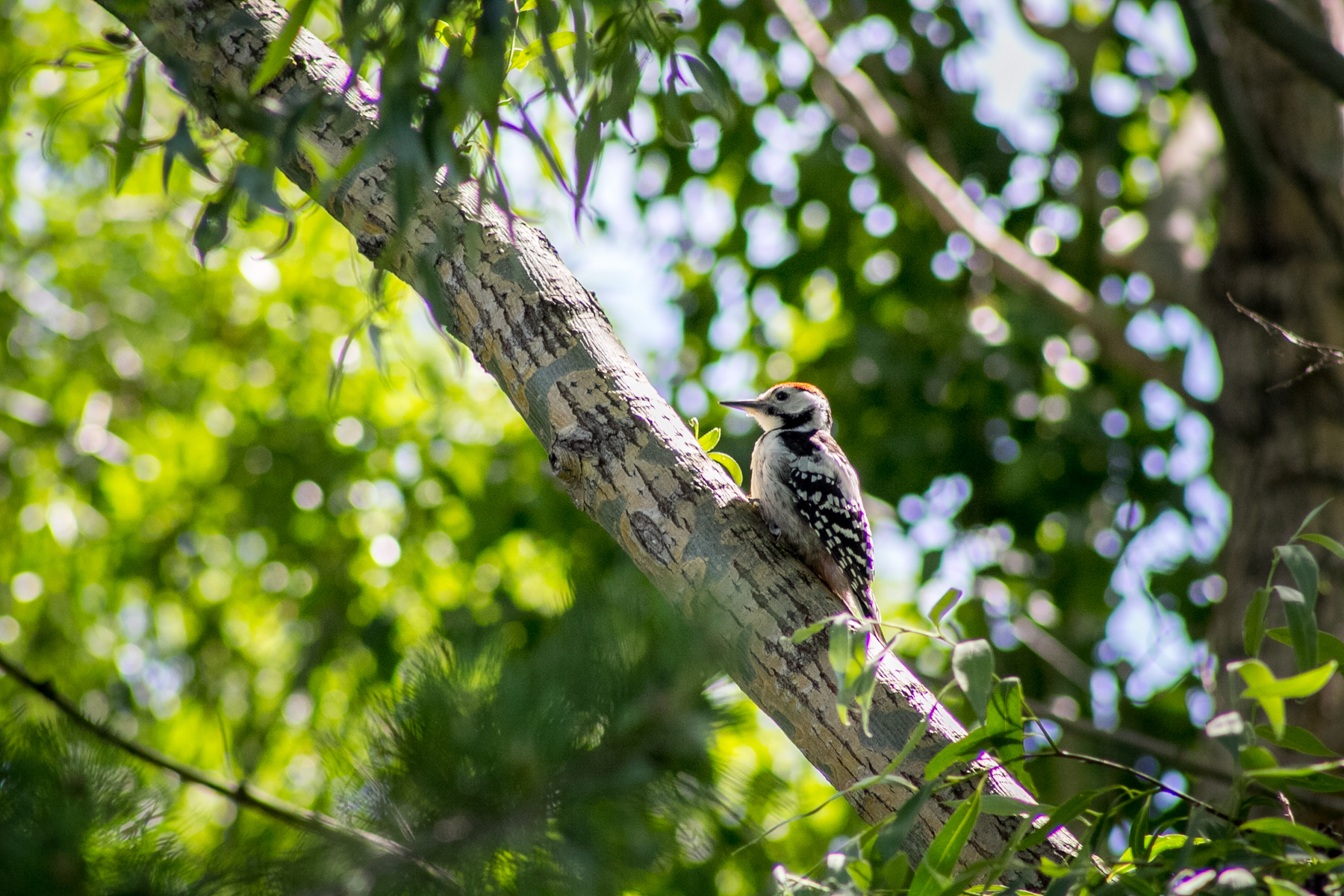 White-backed Woodpecker
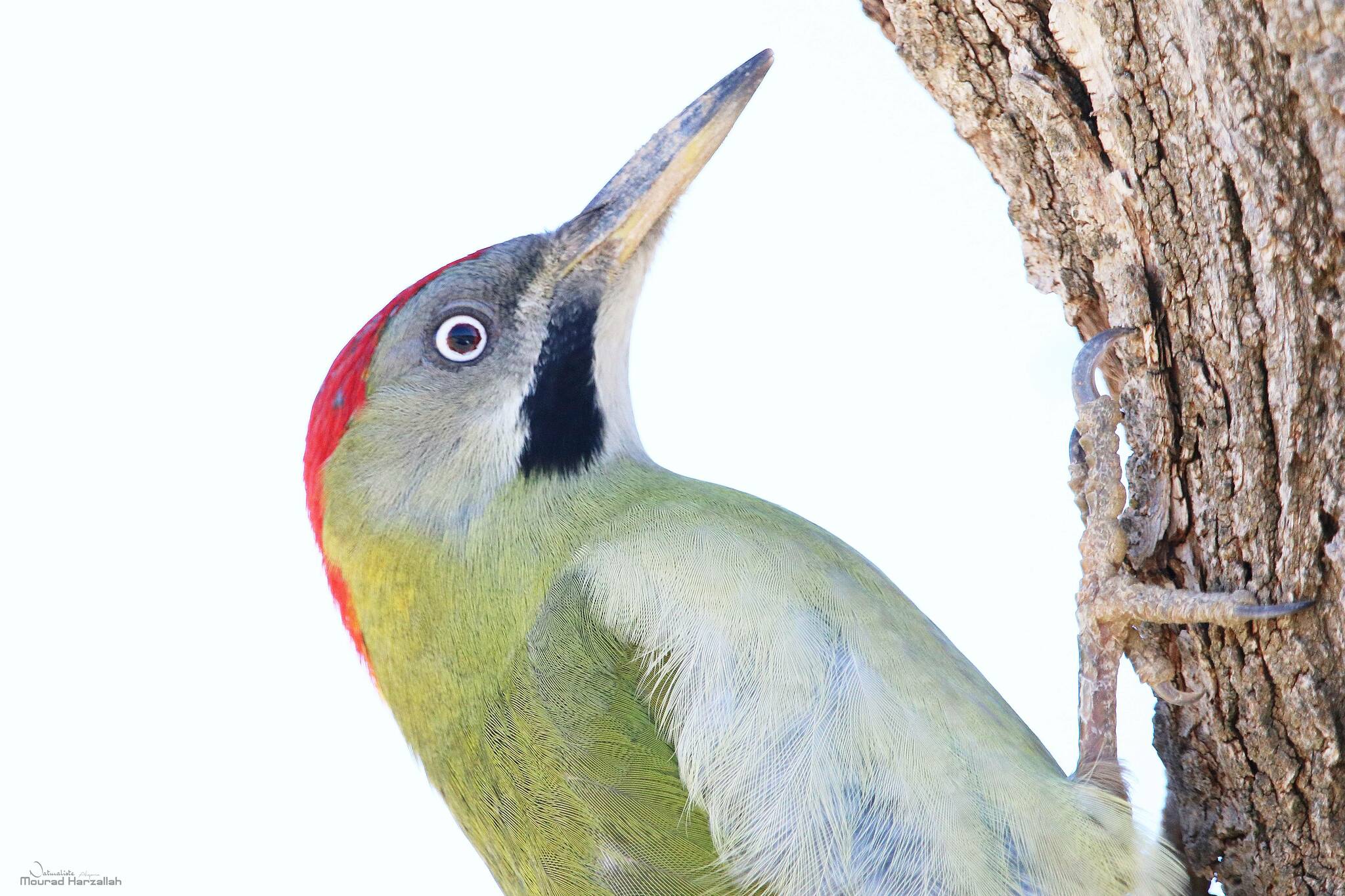 Levaillant's Woodpecker
In short
White-backed Woodpecker and Levaillant's Woodpecker differ primarily in their plumage patterns and habitat preferences. The White-backed Woodpecker is more likely to be found in deciduous forests, while Levaillant's Woodpecker prefers open woodlands and semi-arid regions. Observing the back and wing coloration can be the most reliable field mark.
Identification tips
- Look for the white back with black barring on the White-backed Woodpecker. 2. Note the greenish back and red crown (in males) of Levaillant's Woodpecker. 3. Consider habitat: deciduous forests for White-backed, open woodlands for Levaillant's. 4. Listen for vocalizations: sharp 'kik' for White-backed, laughing notes for Levaillant's.
Size
Both species are medium-sized woodpeckers, but the White-backed Woodpecker is slightly larger.
Plumage
White-backed Woodpecker has a distinctive white back with black barring and a black-and-white striped head. Levaillant's Woodpecker has a greenish back, with a red crown in males and a more uniformly green body.
Behaviour
Both species exhibit typical woodpecker behavior, such as drumming and foraging on tree trunks, but Levaillant's Woodpecker may be seen more often on the ground.
Habitat
White-backed Woodpecker prefers mature deciduous forests, while Levaillant's Woodpecker is found in open woodlands, orchards, and semi-arid regions.
Voice
White-backed Woodpecker has a sharp, repeated 'kik' call, whereas Levaillant's Woodpecker produces a series of loud, laughing notes.
White-backed Woodpecker · Levaillant's Woodpecker · My Tricky Birds