Birdr

White-capped Albatross vs Sooty Shearwater

Thalassarche cauta versus Ardenna grisea

Play a quiz with White-capped Albatross and Sooty Shearwater
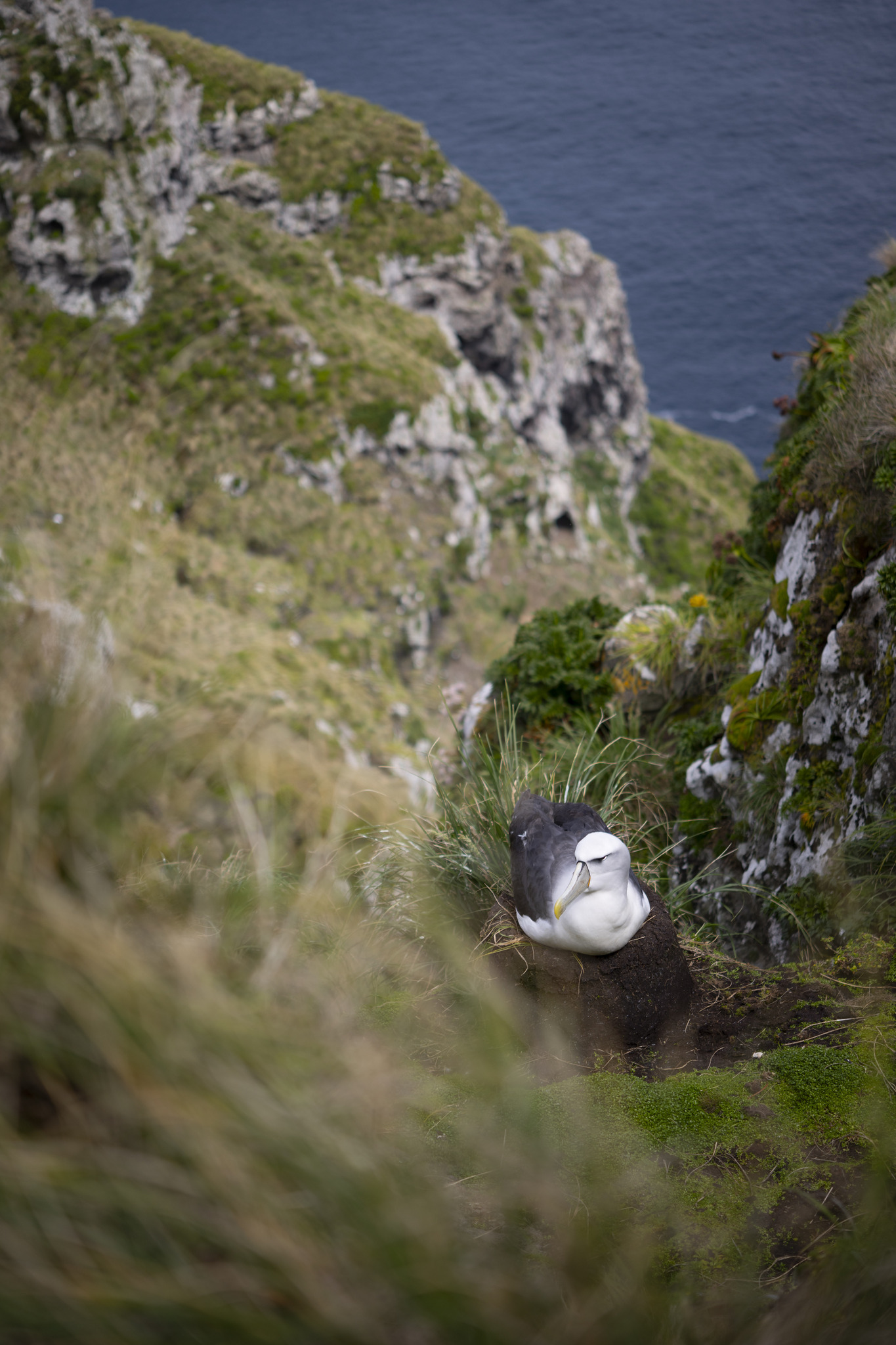
White-capped Albatross (Thalassarche cauta) White-capped Albatross
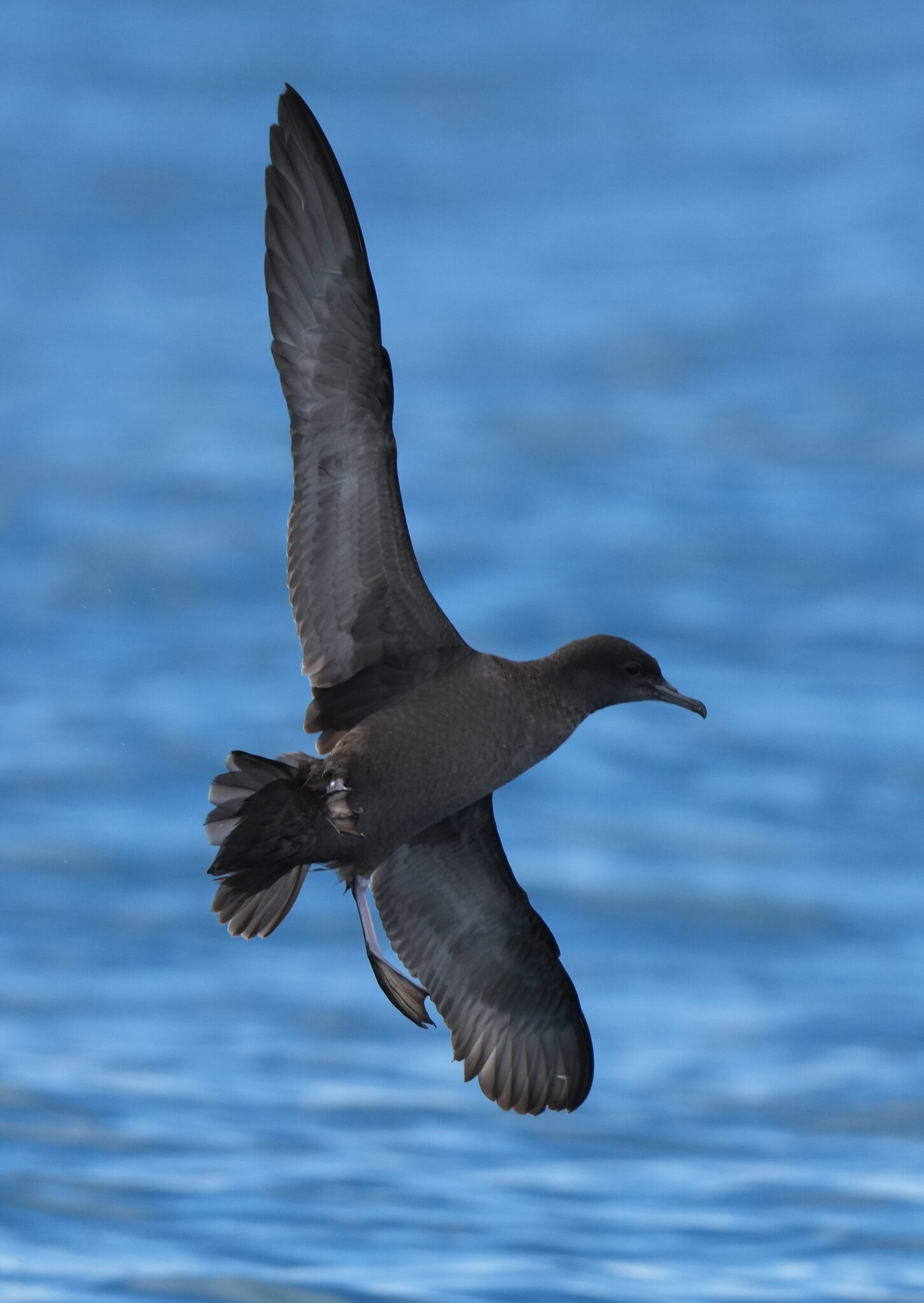
Sooty Shearwater (Ardenna grisea) Sooty Shearwater

Media

Loading…

In short

The White-capped Albatross and Sooty Shearwater differ significantly in size and plumage. The albatross is much larger with a distinctive white cap and grey upperparts, while the shearwater is uniformly dark and smaller. Both species are oceanic, but their flight patterns and behaviors can help in identification.

Identification tips

  1. Size and shape: Look for the much larger size and broader wings of the White-capped Albatross. 2. Plumage: Note the white cap and grey upperparts of the albatross compared to the uniform dark plumage of the shearwater. 3. Flight style: Observe the soaring, gliding flight of the albatross versus the rapid flapping of the shearwater. 4. Location: Consider the geographic location and season, as Sooty Shearwaters are migratory and may appear in different regions at different times.

Size

The White-capped Albatross is considerably larger, with a wingspan that can reach over 2 meters, compared to the smaller Sooty Shearwater, which has a wingspan of about 1 meter.

Plumage

The White-capped Albatross has a white head and cap with grey upperparts and a pale bill, whereas the Sooty Shearwater is uniformly dark brown or sooty grey all over, including the head and bill.

Behaviour

White-capped Albatrosses glide with stiff wings and often soar high above the water, while Sooty Shearwaters have a more rapid, flapping flight and often stay closer to the water surface.

Habitat

Both species are pelagic and found in open ocean environments, but the White-capped Albatross is more often seen in the Southern Ocean, while Sooty Shearwaters migrate across both hemispheres.

Voice

Vocalizations are not typically useful for distinguishing these species at sea, as both are generally silent when not at breeding colonies.

Submit a better description

Use the same sections as the comparison. Your text is published immediately.

The White-capped Albatross and Sooty Shearwater differ significantly in size and plumage. The albatross is much larger with a distinctive white cap and grey upperparts, while the shearwater is uniformly dark and smaller. Both species are oceanic, but their flight patterns and behaviors can help in identification.

  1. Size and shape: Look for the much larger size and broader wings of the White-capped Albatross. 2. Plumage: Note the white cap and grey upperparts of the albatross compared to the uniform dark plumage of the shearwater. 3. Flight style: Observe the soaring, gliding flight of the albatross versus the rapid flapping of the shearwater. 4. Location: Consider the geographic location and season, as Sooty Shearwaters are migratory and may appear in different regions at different times.

The White-capped Albatross is considerably larger, with a wingspan that can reach over 2 meters, compared to the smaller Sooty Shearwater, which has a wingspan of about 1 meter.

The White-capped Albatross has a white head and cap with grey upperparts and a pale bill, whereas the Sooty Shearwater is uniformly dark brown or sooty grey all over, including the head and bill.

White-capped Albatrosses glide with stiff wings and often soar high above the water, while Sooty Shearwaters have a more rapid, flapping flight and often stay closer to the water surface.

Both species are pelagic and found in open ocean environments, but the White-capped Albatross is more often seen in the Southern Ocean, while Sooty Shearwaters migrate across both hemispheres.

Vocalizations are not typically useful for distinguishing these species at sea, as both are generally silent when not at breeding colonies.

Discard your changes?

You have unsaved edits. If you leave now, those changes will be lost.

White-capped Albatross · Sooty Shearwater · My Tricky Birds