
White-faced Whistling-Duck vs Blue Rock Thrush
Dendrocygna viduata versus Monticola solitarius
Play a quiz with White-faced Whistling-Duck and Blue Rock Thrush
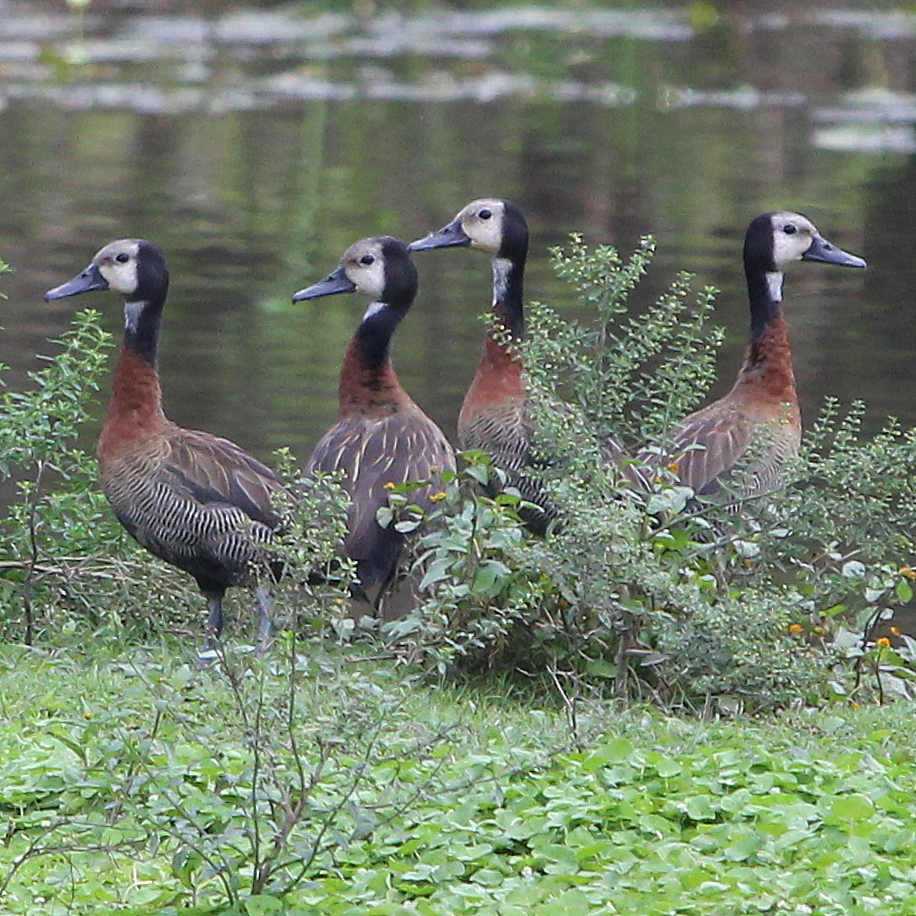 White-faced Whistling-Duck
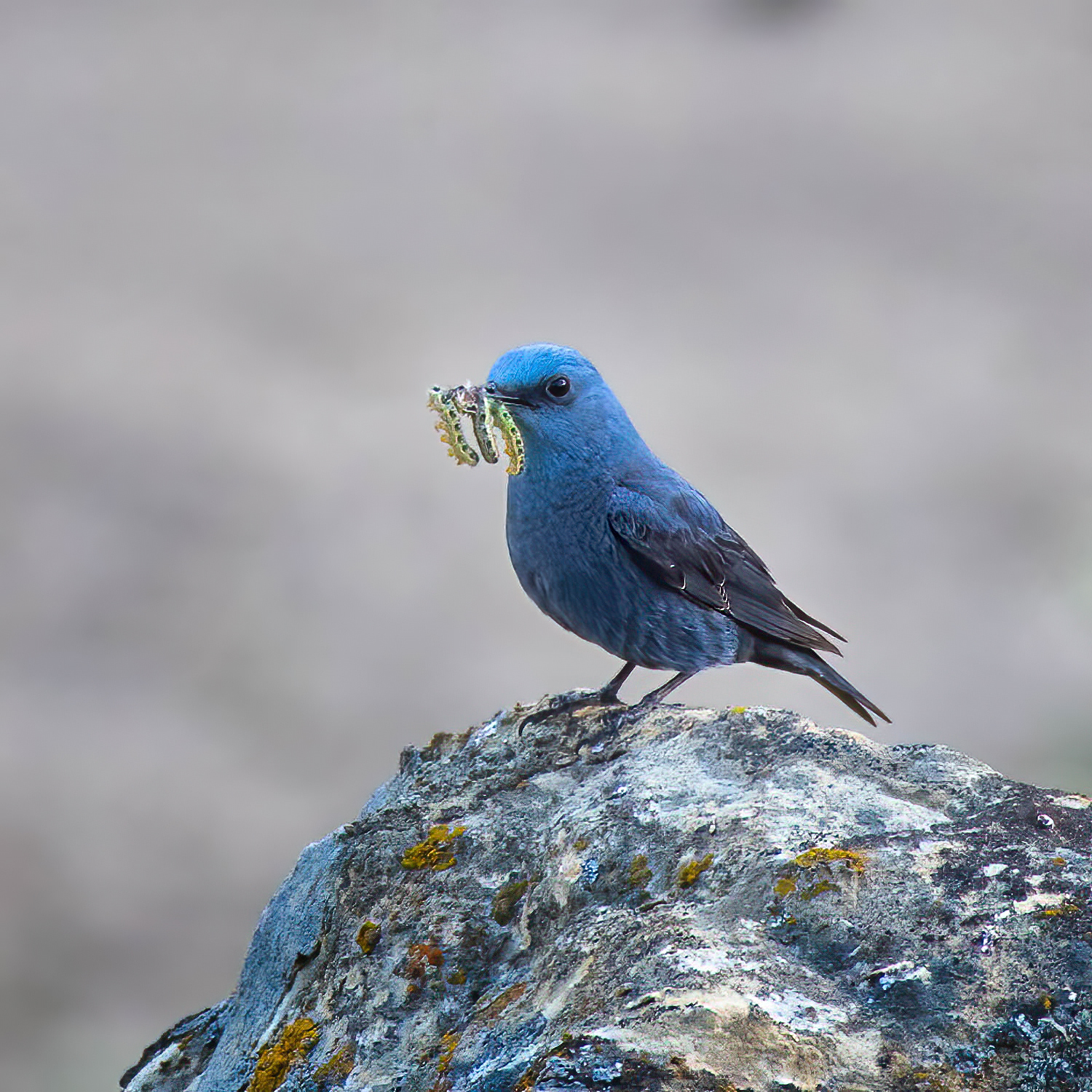 Blue Rock Thrush
In short
The White-faced Whistling-Duck and Blue Rock Thrush are easily distinguished by their habitat and appearance. The duck is a waterfowl with a distinctive white face, while the thrush is a passerine bird often found on rocky outcrops with a blue-grey plumage.
Identification tips
Look for the white face and dark body of the White-faced Whistling-Duck in wetland areas. In contrast, the Blue Rock Thrush will be on rocky terrain, with blue-grey plumage in males. Listen for the duck's whistling and the thrush's melodious song to aid identification.
Size
The White-faced Whistling-Duck is significantly larger, being a duck, compared to the smaller, thrush-sized Blue Rock Thrush.
Plumage
The White-faced Whistling-Duck has a striking white face and dark body, while the Blue Rock Thrush features a blue-grey plumage in males and a more subdued brownish tone in females.
Behaviour
White-faced Whistling-Ducks are often seen in flocks, swimming or wading in water, whereas Blue Rock Thrushes are typically solitary or in pairs, often perching on rocks.
Habitat
White-faced Whistling-Ducks are found in wetlands and open water bodies, while Blue Rock Thrushes inhabit rocky areas, cliffs, and sometimes urban environments.
Voice
The White-faced Whistling-Duck is known for its whistling calls, whereas the Blue Rock Thrush has a melodious song, often heard during the breeding season.
White-faced Whistling-Duck · Blue Rock Thrush · My Tricky Birds