
White-faced Whistling-Duck vs Oriental Pratincole
Dendrocygna viduata versus Glareola maldivarum
Play a quiz with White-faced Whistling-Duck and Oriental Pratincole
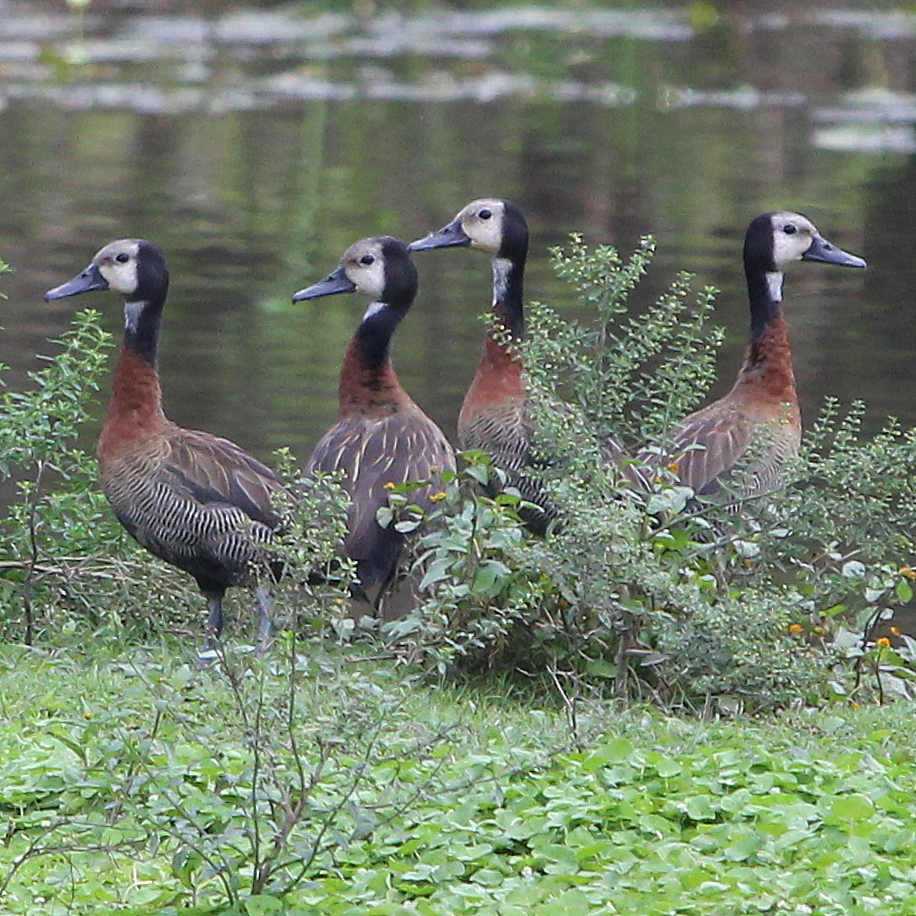 White-faced Whistling-Duck
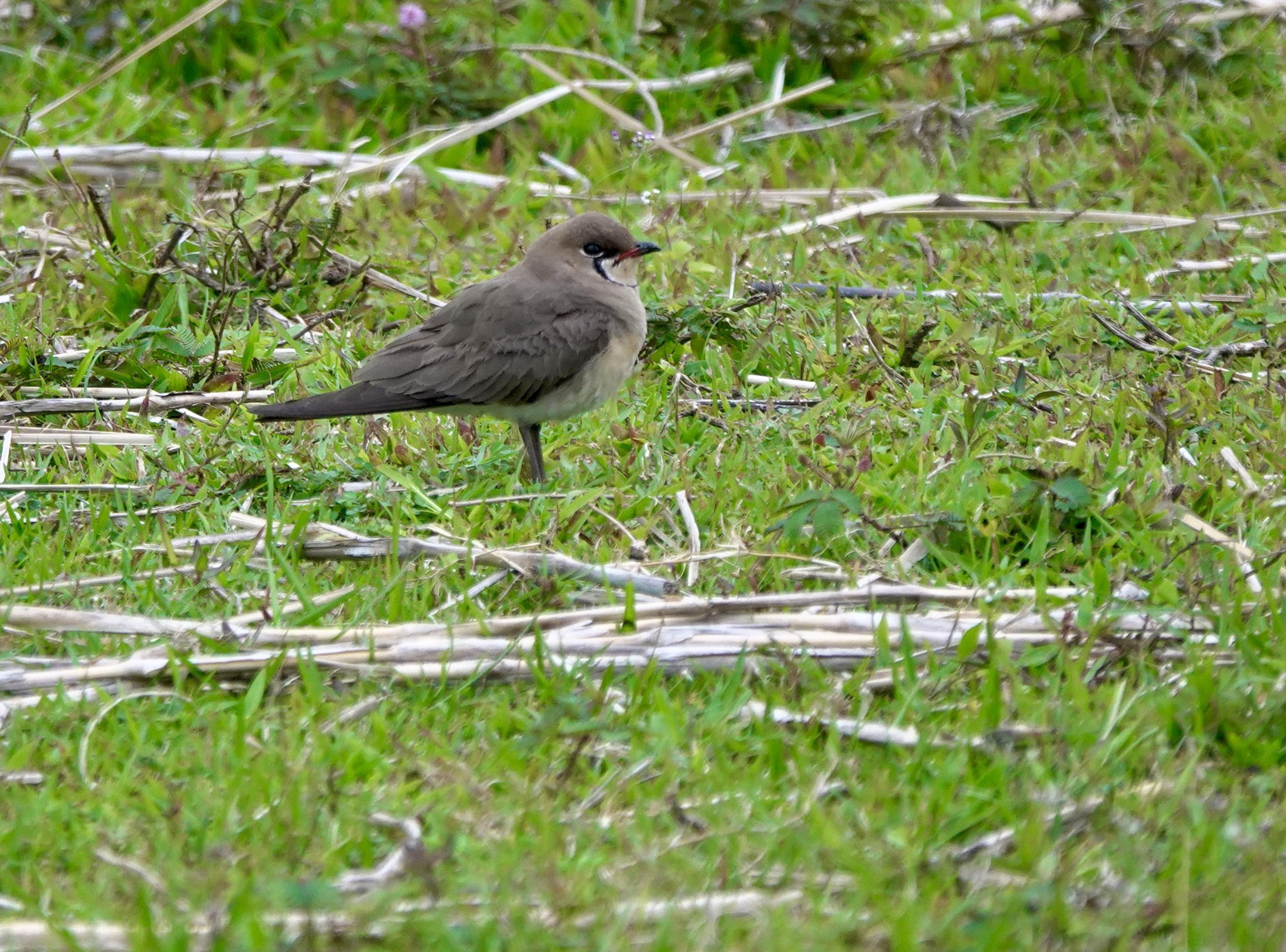 Oriental Pratincole
In short
The White-faced Whistling-Duck and the Oriental Pratincole are easily distinguished by their body shape and habitat preference. The duck has a distinctive white face and is often found in wetland areas, while the pratincole has a more streamlined body and prefers open fields and grasslands.
Identification tips
Look for the white face and dark neck of the White-faced Whistling-Duck in wetland environments. In contrast, the Oriental Pratincole's brown plumage and white throat with black border are key features in open fields. Note their behavior: ducks will be in water, pratincoles on dry land.
Size
The White-faced Whistling-Duck is larger and bulkier compared to the more slender and smaller Oriental Pratincole.
Plumage
The White-faced Whistling-Duck features a striking white face with a dark crown and neck, while the Oriental Pratincole has a more uniform brown plumage with a distinctive white throat bordered by a black line.
Behaviour
White-faced Whistling-Ducks are often seen in flocks, swimming or dabbling in water. Oriental Pratincoles are more likely to be observed running on the ground or flying swiftly in open areas.
Habitat
White-faced Whistling-Ducks are typically found in freshwater wetlands, ponds, and lakes. In contrast, Oriental Pratincoles prefer dry, open habitats such as grasslands and fields.
Voice
White-faced Whistling-Ducks are known for their high-pitched whistling calls, while Oriental Pratincoles have a more varied call, often described as a rapid 'chittering'.
White-faced Whistling-Duck · Oriental Pratincole · My Tricky Birds