
White-starred Robin vs Thrush Nightingale
Pogonocichla stellata versus Luscinia luscinia
Play a quiz with White-starred Robin and Thrush Nightingale
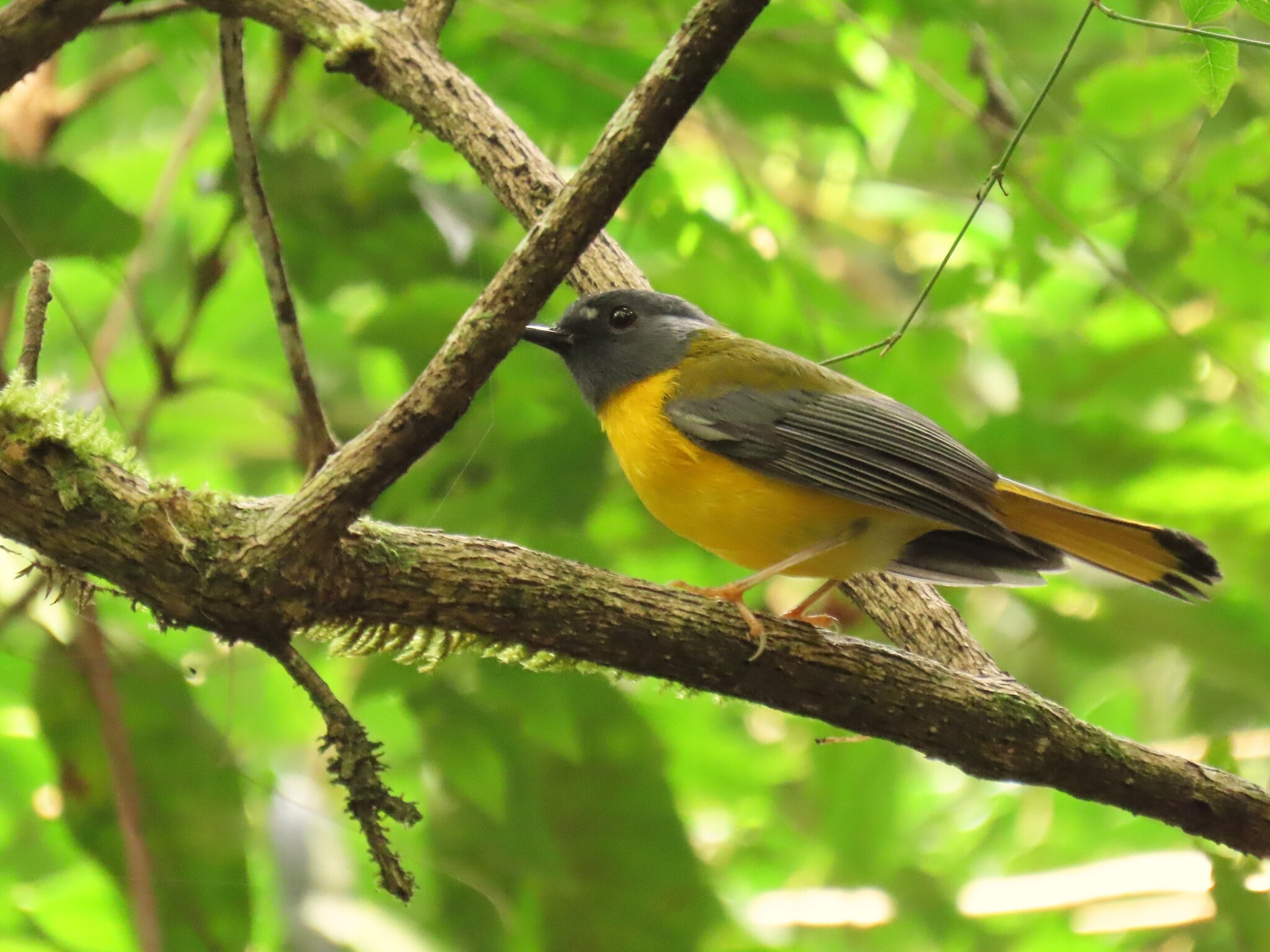 White-starred Robin
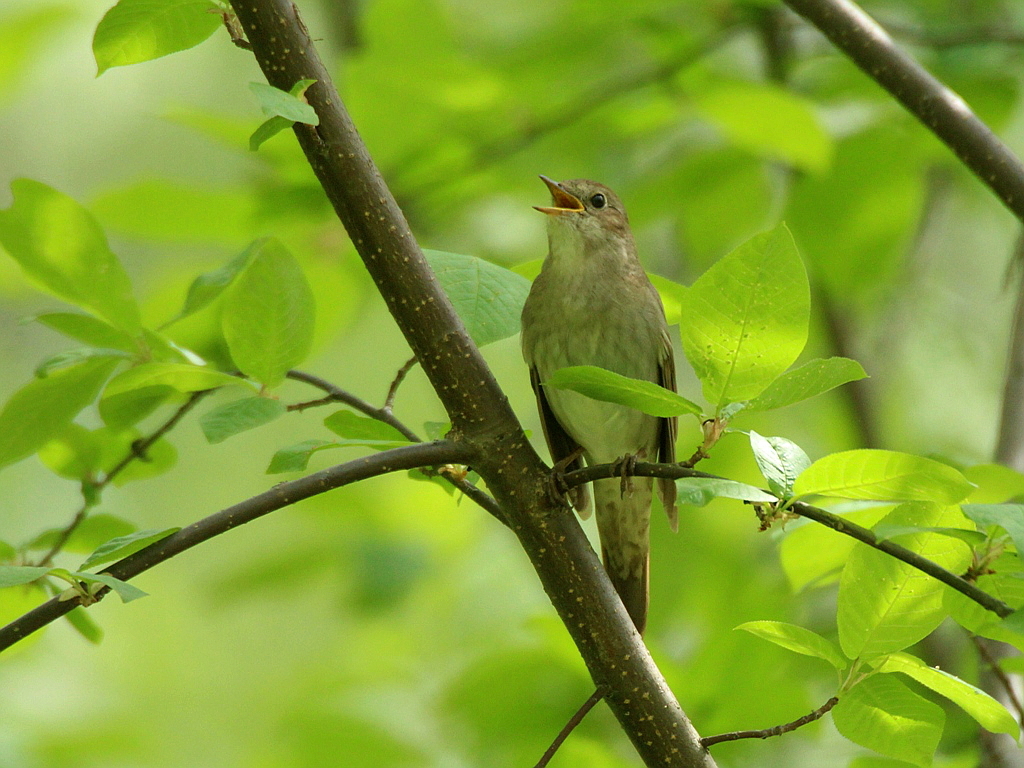 Thrush Nightingale
In short
The White-starred Robin and the Thrush Nightingale can be distinguished primarily by their plumage and habitat preferences. The White-starred Robin has a distinctive white spot on its breast and is more colorful, while the Thrush Nightingale is more uniformly brown and prefers dense, lowland habitats.
Identification tips
- Look for the white star on the breast of the White-starred Robin.
- Note the habitat: montane forests for the Robin, lowland thickets for the Nightingale.
- Observe behavior: Robins are more active and visible, Nightingales are secretive.
- Listen for the Nightingale's rich song, which is more complex than the Robin's calls.
Size
Both species are similar in size, but the Thrush Nightingale is generally slightly larger and more robust.
Plumage
The White-starred Robin is notable for its white star-like spot on the breast and vibrant plumage with blue and yellow tones. In contrast, the Thrush Nightingale is more uniformly brown with no distinctive markings.
Behaviour
The White-starred Robin is often seen flitting through forest undergrowth, while the Thrush Nightingale is more secretive, often skulking in dense vegetation.
Habitat
The White-starred Robin is typically found in montane forests, while the Thrush Nightingale prefers dense, lowland thickets and woodland edges.
Voice
The Thrush Nightingale is known for its rich, melodious song, while the White-starred Robin's vocalizations are less well-documented but generally consist of simpler calls.