Birdr

White-tailed Hawk vs Broad-winged Hawk

Geranoaetus albicaudatus versus Buteo platypterus

Play a quiz with White-tailed Hawk and Broad-winged Hawk
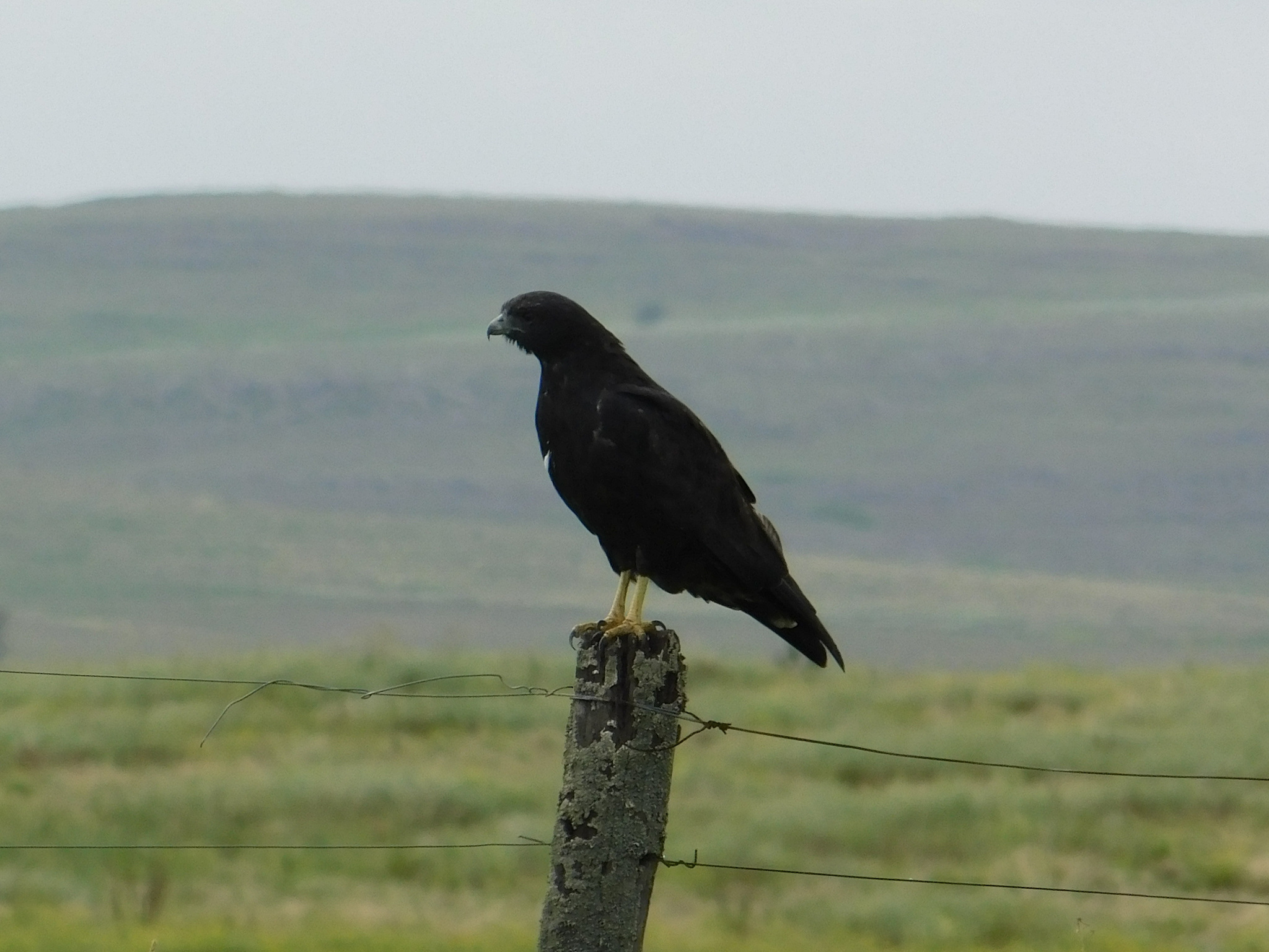
White-tailed Hawk (Geranoaetus albicaudatus) White-tailed Hawk
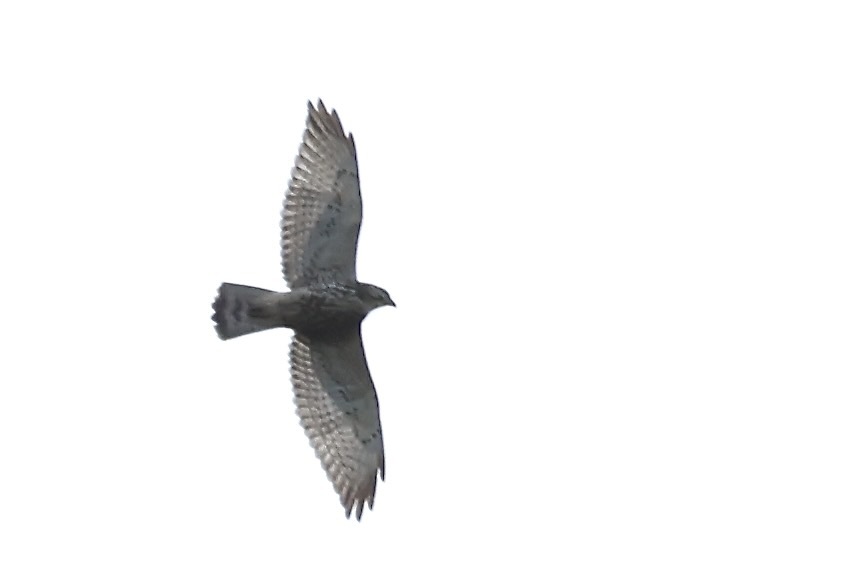
Broad-winged Hawk (Buteo platypterus) Broad-winged Hawk

Media

Loading…

In short

The White-tailed Hawk and Broad-winged Hawk can be differentiated by their tail patterns and habitat preferences. The White-tailed Hawk has a distinctive white tail with a black subterminal band, while the Broad-winged Hawk has a banded tail. Both species occupy different habitats, with the White-tailed Hawk favoring open, arid regions and the Broad-winged Hawk preferring forests.

Identification tips

Check the tail pattern: White-tailed Hawks have a white tail with a black subterminal band, while Broad-winged Hawks have a banded tail. Consider the habitat: White-tailed Hawks are in open, arid areas; Broad-winged Hawks are in forests. Look for rufous shoulder patches on the White-tailed Hawk, absent in the Broad-winged Hawk.

Size

The White-tailed Hawk is generally larger and more robust than the Broad-winged Hawk.

Plumage

The White-tailed Hawk features a white tail with a black subterminal band and rufous patches on its shoulders, while the Broad-winged Hawk has a banded tail and lacks the rufous shoulder patches.

Behaviour

The White-tailed Hawk is often seen soaring or hovering over open areas, whereas the Broad-winged Hawk is more likely to be seen gliding through forested areas.

Habitat

White-tailed Hawks are found in open to sparsely wooded, arid regions, while Broad-winged Hawks prefer deciduous and mixed forests.

Voice

No specific vocalization differences are noted, but the Broad-winged Hawk is known for its high-pitched whistle, especially during migration.

Submit a better description

Use the same sections as the comparison. Your text is published immediately.

The White-tailed Hawk and Broad-winged Hawk can be differentiated by their tail patterns and habitat preferences. The White-tailed Hawk has a distinctive white tail with a black subterminal band, while the Broad-winged Hawk has a banded tail. Both species occupy different habitats, with the White-tailed Hawk favoring open, arid regions and the Broad-winged Hawk preferring forests.

Check the tail pattern: White-tailed Hawks have a white tail with a black subterminal band, while Broad-winged Hawks have a banded tail. Consider the habitat: White-tailed Hawks are in open, arid areas; Broad-winged Hawks are in forests. Look for rufous shoulder patches on the White-tailed Hawk, absent in the Broad-winged Hawk.

The White-tailed Hawk is generally larger and more robust than the Broad-winged Hawk.

The White-tailed Hawk features a white tail with a black subterminal band and rufous patches on its shoulders, while the Broad-winged Hawk has a banded tail and lacks the rufous shoulder patches.

The White-tailed Hawk is often seen soaring or hovering over open areas, whereas the Broad-winged Hawk is more likely to be seen gliding through forested areas.

White-tailed Hawks are found in open to sparsely wooded, arid regions, while Broad-winged Hawks prefer deciduous and mixed forests.

No specific vocalization differences are noted, but the Broad-winged Hawk is known for its high-pitched whistle, especially during migration.

Discard your changes?

You have unsaved edits. If you leave now, those changes will be lost.

White-tailed Hawk · Broad-winged Hawk · My Tricky Birds