
White-tailed Nightjar vs Chuck-will's-widow
Hydropsalis cayennensis versus Antrostomus carolinensis
Play a quiz with White-tailed Nightjar and Chuck-will's-widow
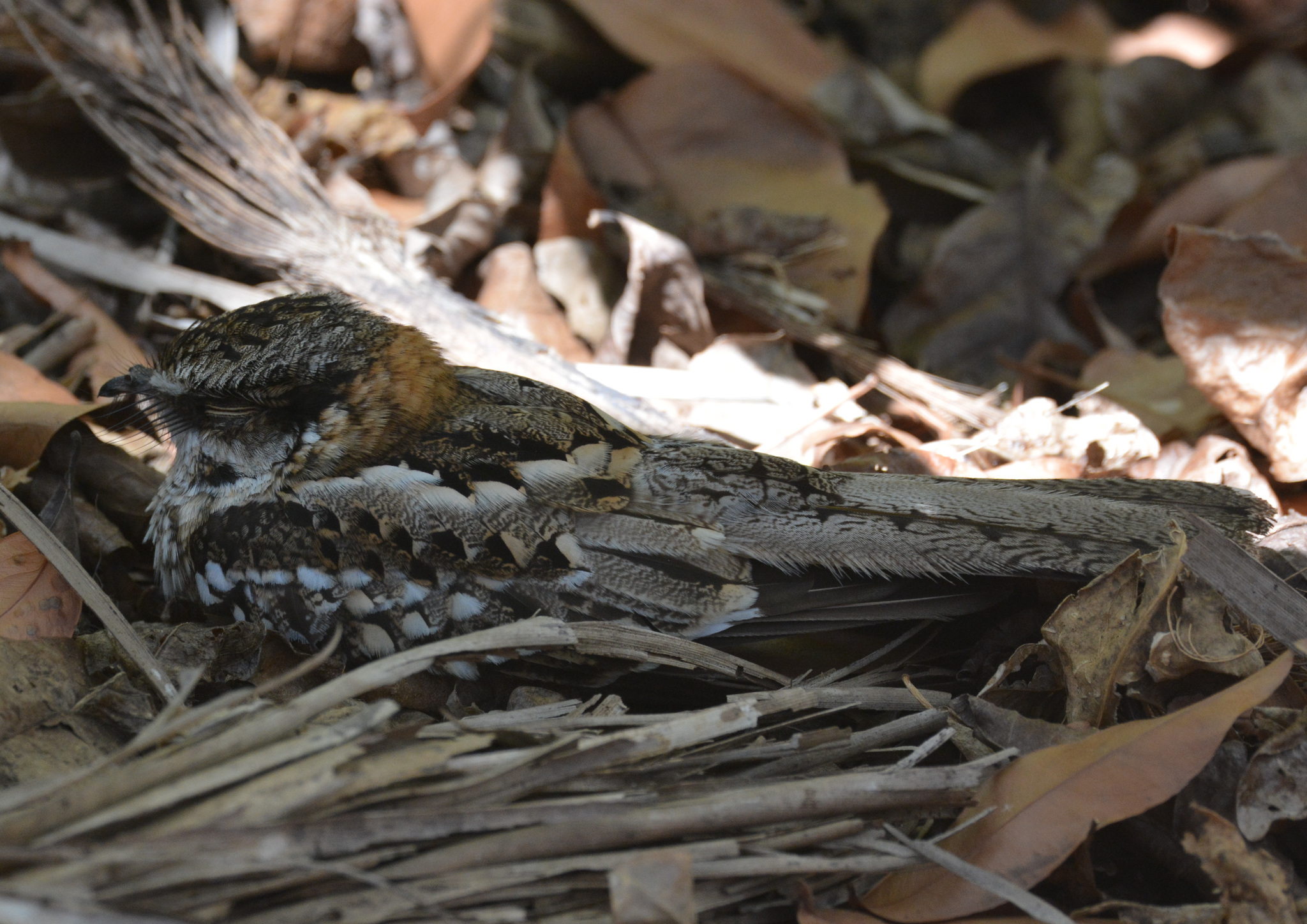 White-tailed Nightjar
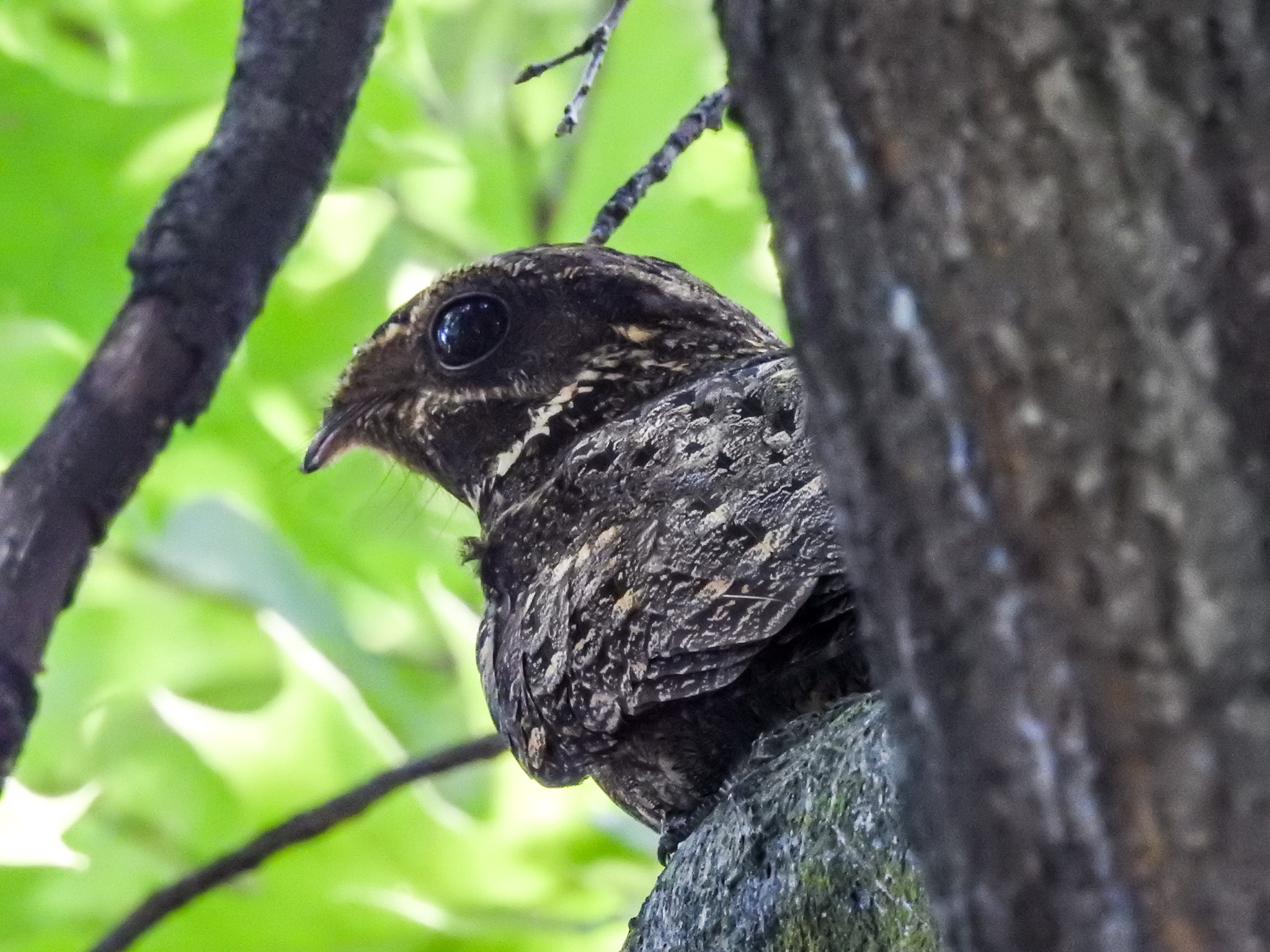 Chuck-will's-widow
In short
The White-tailed Nightjar and Chuck-will's-widow are both nightjars, but they can be distinguished by size, plumage details, and vocalizations. The Chuck-will's-widow is significantly larger and has a more robust appearance, while the White-tailed Nightjar is smaller and more delicate. Vocalizations are a reliable way to tell them apart, especially during the breeding season.
Identification tips
- Size and Shape: Look for the larger size and bulkier shape of the Chuck-will's-widow. 2. Tail Markings: Check for the white tail band in the White-tailed Nightjar. 3. Vocalizations: Listen for the Chuck-will's-widow's distinctive call. 4. Habitat: Consider the habitat; Chuck-will's-widow favors wooded areas, while White-tailed Nightjar is found in more open regions.
Size
The Chuck-will's-widow is larger and bulkier compared to the smaller and more slender White-tailed Nightjar.
Plumage
The White-tailed Nightjar has a distinctive white tail band visible in flight, while the Chuck-will's-widow lacks this feature and has a more uniformly mottled brown appearance.
Behaviour
Both species are nocturnal and hunt insects, but the Chuck-will's-widow may also take small birds and bats. The White-tailed Nightjar is more likely to be seen flying low over open areas.
Habitat
The Chuck-will's-widow is found in a variety of wooded habitats, often in the southeastern United States, while the White-tailed Nightjar prefers open areas in tropical and subtropical regions.
Voice
The Chuck-will's-widow is known for its distinctive, repetitive 'chuck-will's-widow' call, especially at dawn and dusk. The White-tailed Nightjar's call is less well-known and not as distinctive.
White-tailed Nightjar · Chuck-will's-widow · My Tricky Birds