
White-tailed Nightjar vs Ladder-tailed Nightjar
Hydropsalis cayennensis versus Hydropsalis climacocerca
Play a quiz with White-tailed Nightjar and Ladder-tailed Nightjar
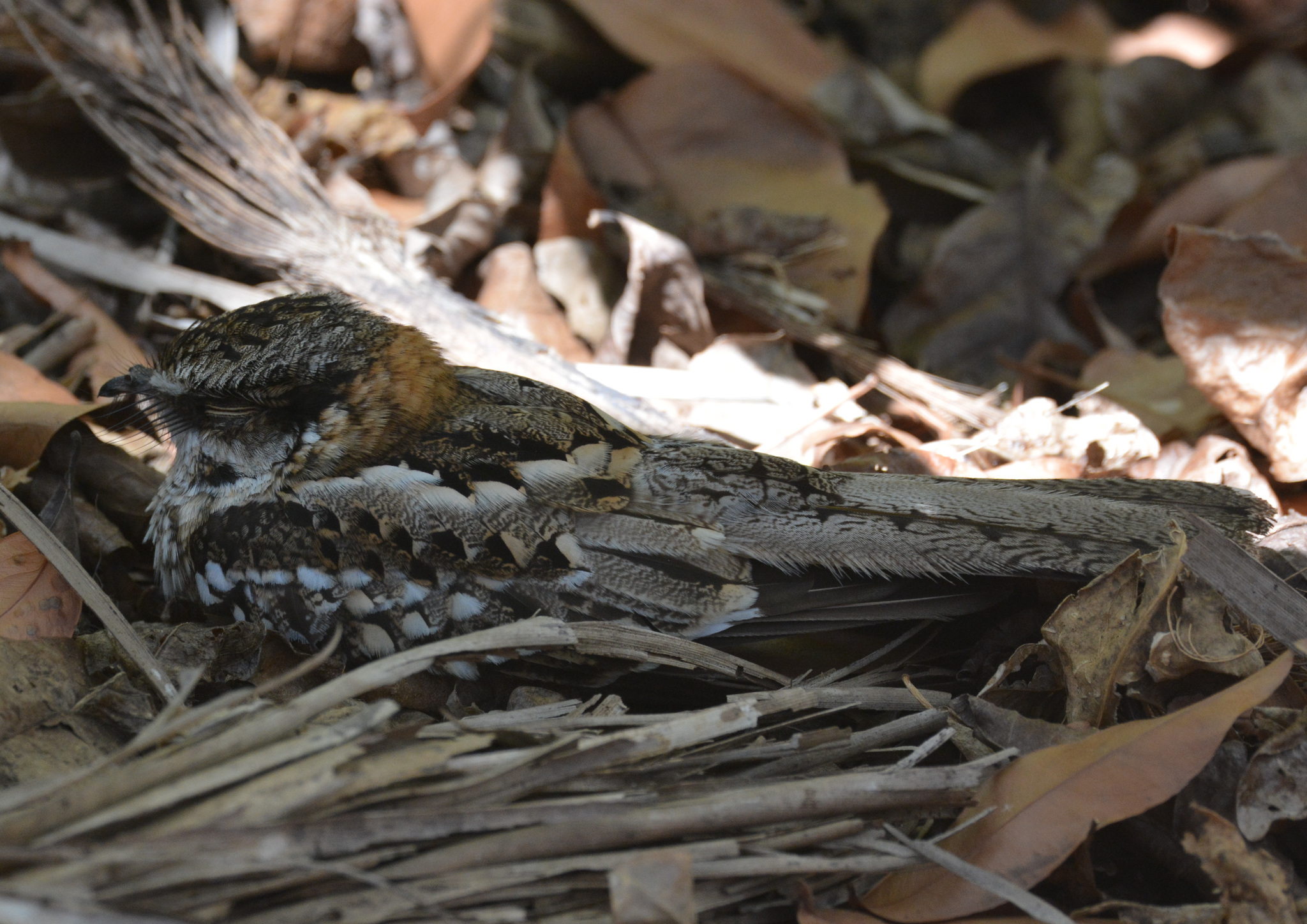 White-tailed Nightjar
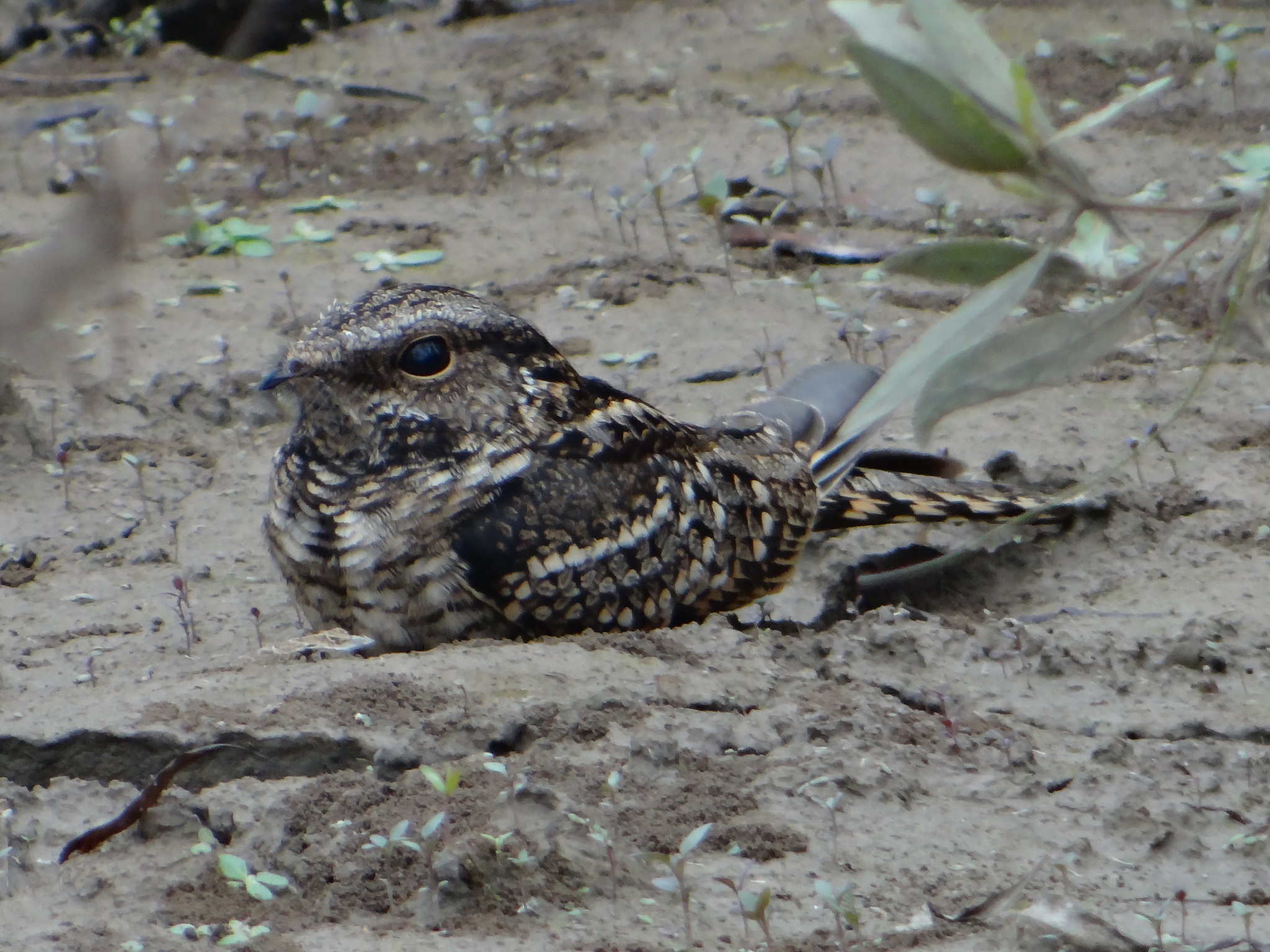 Ladder-tailed Nightjar
In short
The White-tailed Nightjar and Ladder-tailed Nightjar can be distinguished primarily by their tail patterns: the White-tailed has a broad white band on the tail, while the Ladder-tailed features a distinctive ladder-like pattern. Both species share similar habitats and behaviors, making tail pattern the most reliable field mark.
Identification tips
- Tail pattern: Look for the broad white band on the White-tailed Nightjar's tail versus the ladder-like pattern on the Ladder-tailed Nightjar. 2. Flight views: Tail patterns are most visible in flight. 3. Habitat overlap: Be cautious, as both species can be found in similar environments. 4. Time of activity: Both are most active at dusk and dawn, so plan observations accordingly.
Size
Both species are similar in size, typical of small to medium-sized nightjars.
Plumage
The White-tailed Nightjar has a broad white band on the tail, visible in flight. The Ladder-tailed Nightjar's tail has a ladder-like pattern with alternating dark and light bars. Both have cryptic plumage with mottled brown and gray tones.
Behaviour
Both species are nocturnal and exhibit similar behaviors, such as roosting on the ground during the day and being active at dusk and dawn.
Habitat
Both species inhabit open areas with sparse vegetation, such as savannas, scrublands, and forest edges. They often overlap in range, making habitat alone an unreliable differentiator.
Voice
Vocalizations are not well-documented for field differentiation; both species have typical nightjar calls, but specific differences are not clearly noted.
White-tailed Nightjar · Ladder-tailed Nightjar · My Tricky Birds