
White-tailed Ptarmigan vs Common Hoopoe
Lagopus leucura versus Upupa epops
Play a quiz with White-tailed Ptarmigan and Common Hoopoe
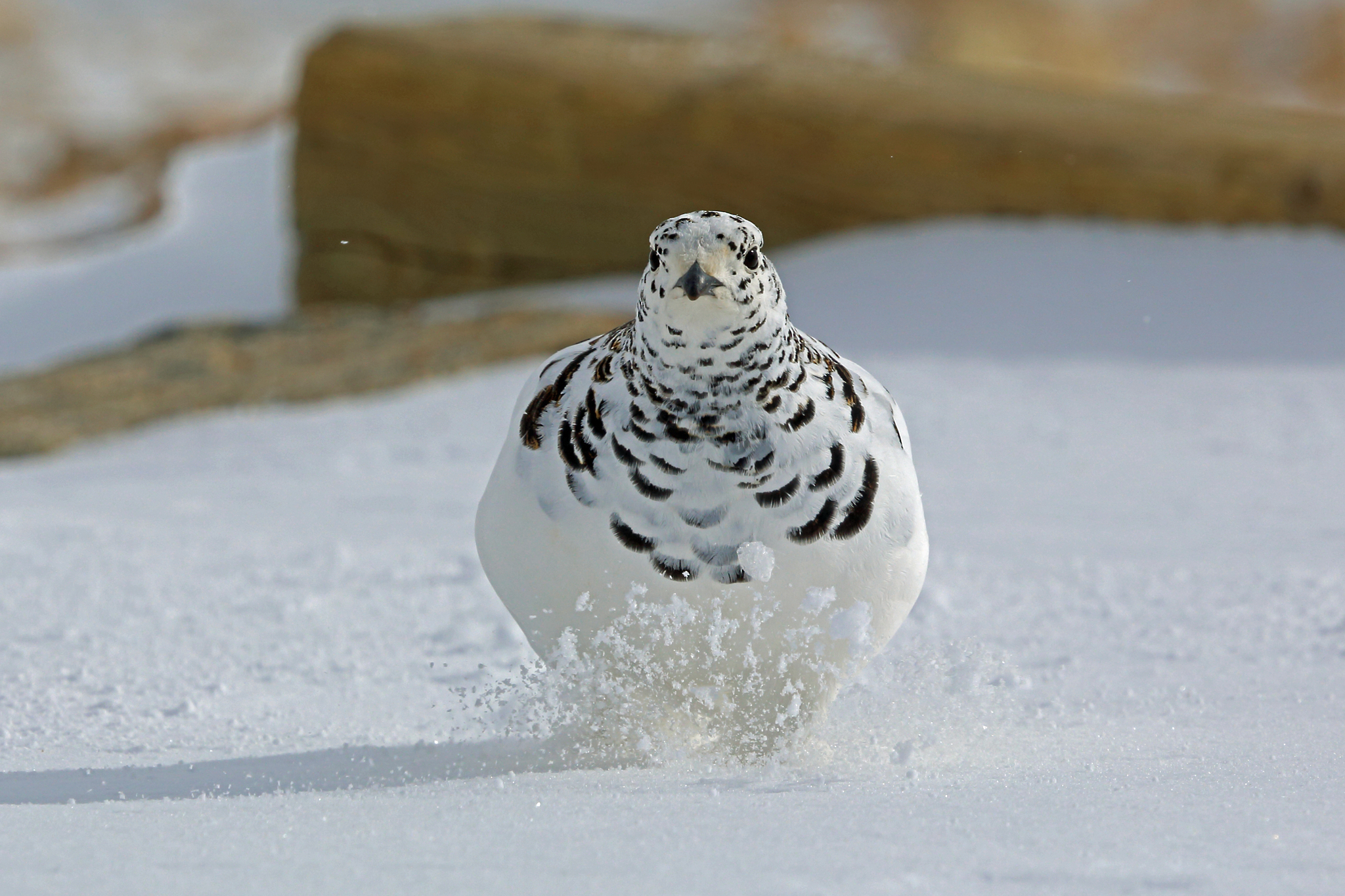 White-tailed Ptarmigan
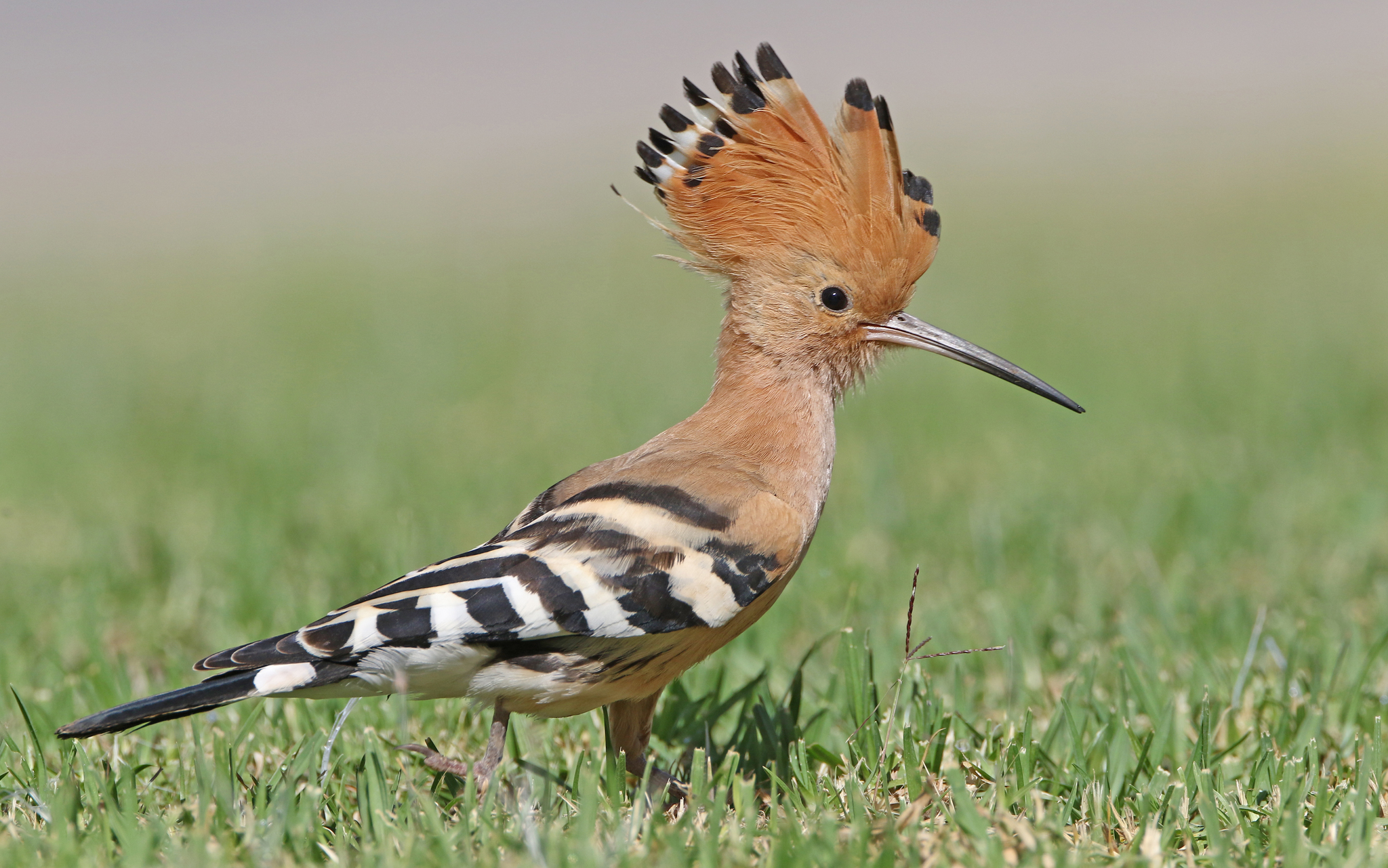 Common Hoopoe
In short
The White-tailed Ptarmigan and Common Hoopoe are distinct in appearance and habitat. The ptarmigan is a small, alpine grouse with seasonal plumage changes, while the hoopoe is a medium-sized bird with a striking crest and long, curved bill. They inhabit vastly different environments, with the ptarmigan residing in high-altitude alpine regions and the hoopoe found in open, warmer areas across Europe, Asia, and Africa.
Identification tips
- Location: White-tailed Ptarmigans are found in alpine regions; Common Hoopoes are in open, warmer areas.
- Plumage: Look for the ptarmigan's white winter plumage and white tail versus the hoopoe's crest and barred wings.
- Bill: Note the ptarmigan's short bill compared to the hoopoe's long, curved bill.
- Behavior: Ptarmigans often walk and blend into rocky terrain; hoopoes are more active foragers on the ground.
Size
The White-tailed Ptarmigan is smaller than the Common Hoopoe. Ptarmigans are the smallest grouse in North America, whereas hoopoes are medium-sized birds.
Plumage
White-tailed Ptarmigans have seasonal plumage, turning white in winter and grayish-brown in summer, with a distinctive white tail year-round. Common Hoopoes have a unique appearance with a prominent crest, black and white barred wings, and a cinnamon body.
Behaviour
Ptarmigans are ground-nesting and often walk rather than fly, using their feathered feet as 'snowshoes' in winter. Hoopoes are known for their probing feeding behavior with their long bills and are often seen foraging on the ground.
Habitat
White-tailed Ptarmigans inhabit alpine environments year-round, while Common Hoopoes prefer open, warmer regions and migrate depending on seasonal changes.
Voice
The vocalizations of these species are quite different. Ptarmigans are generally quiet, while hoopoes have a distinctive 'oop-oop-oop' call.