
White-throated Flycatcher vs Cedar Waxwing
Empidonax albigularis versus Bombycilla cedrorum
Play a quiz with White-throated Flycatcher and Cedar Waxwing
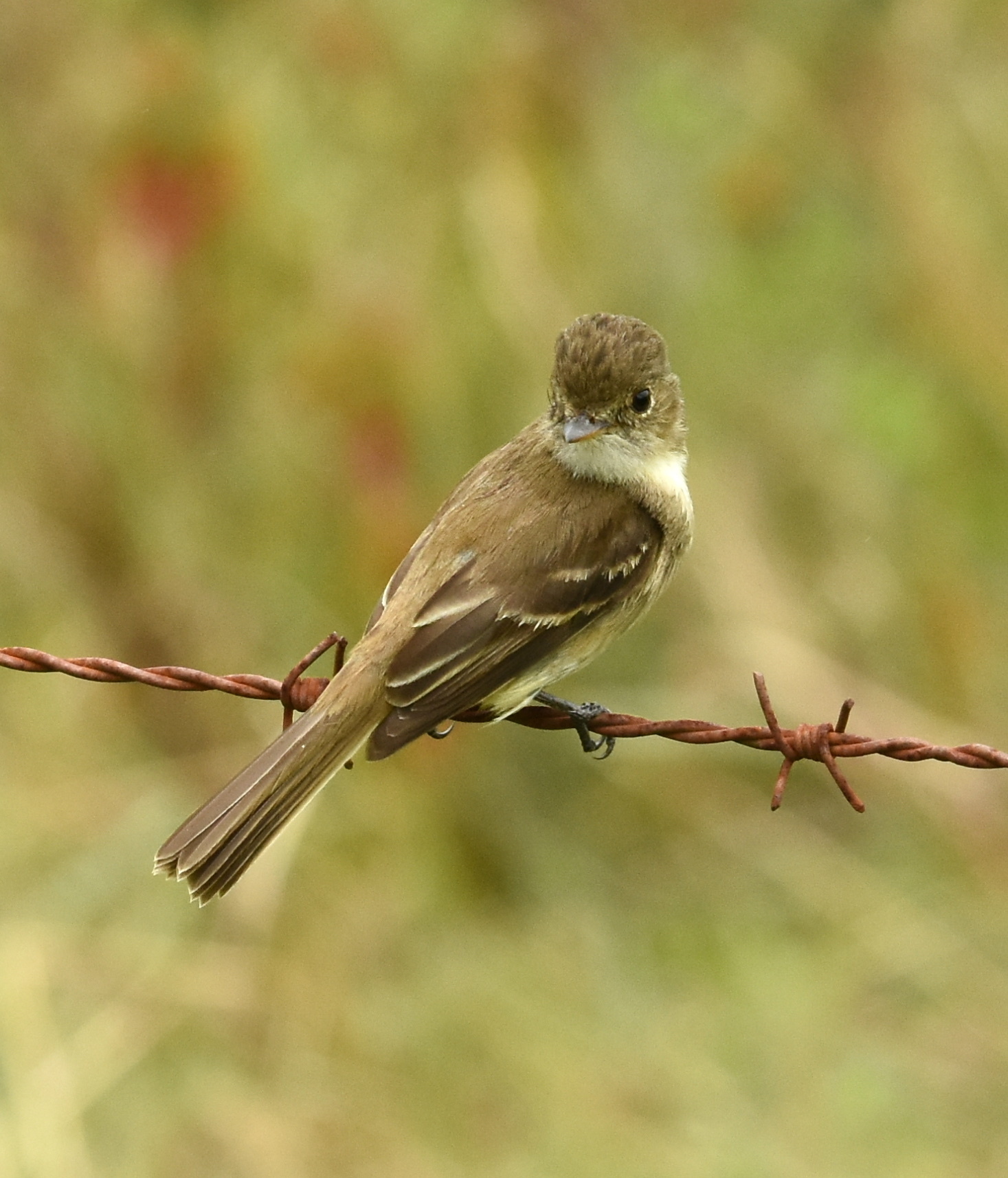 White-throated Flycatcher
 Cedar Waxwing
In short
The White-throated Flycatcher and Cedar Waxwing are easily distinguished by their size and plumage. The flycatcher is a small, drab bird with a distinct white throat, while the waxwing is larger, with a sleek, colorful appearance and a crest. Both species are found in different habitats, with the flycatcher preferring dense vegetation and the waxwing favoring fruiting trees.
Identification tips
- Size: Note the size difference; the flycatcher is smaller.
- Plumage: Look for the white throat on the flycatcher and the crest and colorful markings on the waxwing.
- Habitat: Consider the environment; flycatchers prefer denser vegetation, waxwings are in open areas with fruiting trees.
- Behavior: Observe behavior; flycatchers are solitary or in pairs, waxwings are often in flocks.
- Vocalization: Listen for the distinct calls; flycatchers have a soft call, waxwings a high-pitched trill.
Size
The White-throated Flycatcher is significantly smaller than the Cedar Waxwing.
Plumage
The White-throated Flycatcher has a plain olive-brown plumage with a white throat and no crest. In contrast, the Cedar Waxwing is more colorful, with a crested head, sleek brown body, black mask, yellow-tipped tail, and red waxy tips on some wing feathers.
Behaviour
White-throated Flycatchers are more likely to be seen flitting through dense vegetation, while Cedar Waxwings are often observed in flocks, perched on fruiting trees.
Habitat
White-throated Flycatchers are typically found in dense, shrubby areas or forest edges, whereas Cedar Waxwings are associated with open woodlands, orchards, and areas with abundant fruiting trees.
Voice
The White-throated Flycatcher has a simple, soft call, while the Cedar Waxwing's call is a high-pitched, trilled whistle. These vocalizations are quite distinct from each other.