
White-winged Brushfinch vs Pale-headed Brushfinch
Atlapetes leucopterus versus Atlapetes pallidiceps
Play a quiz with White-winged Brushfinch and Pale-headed Brushfinch
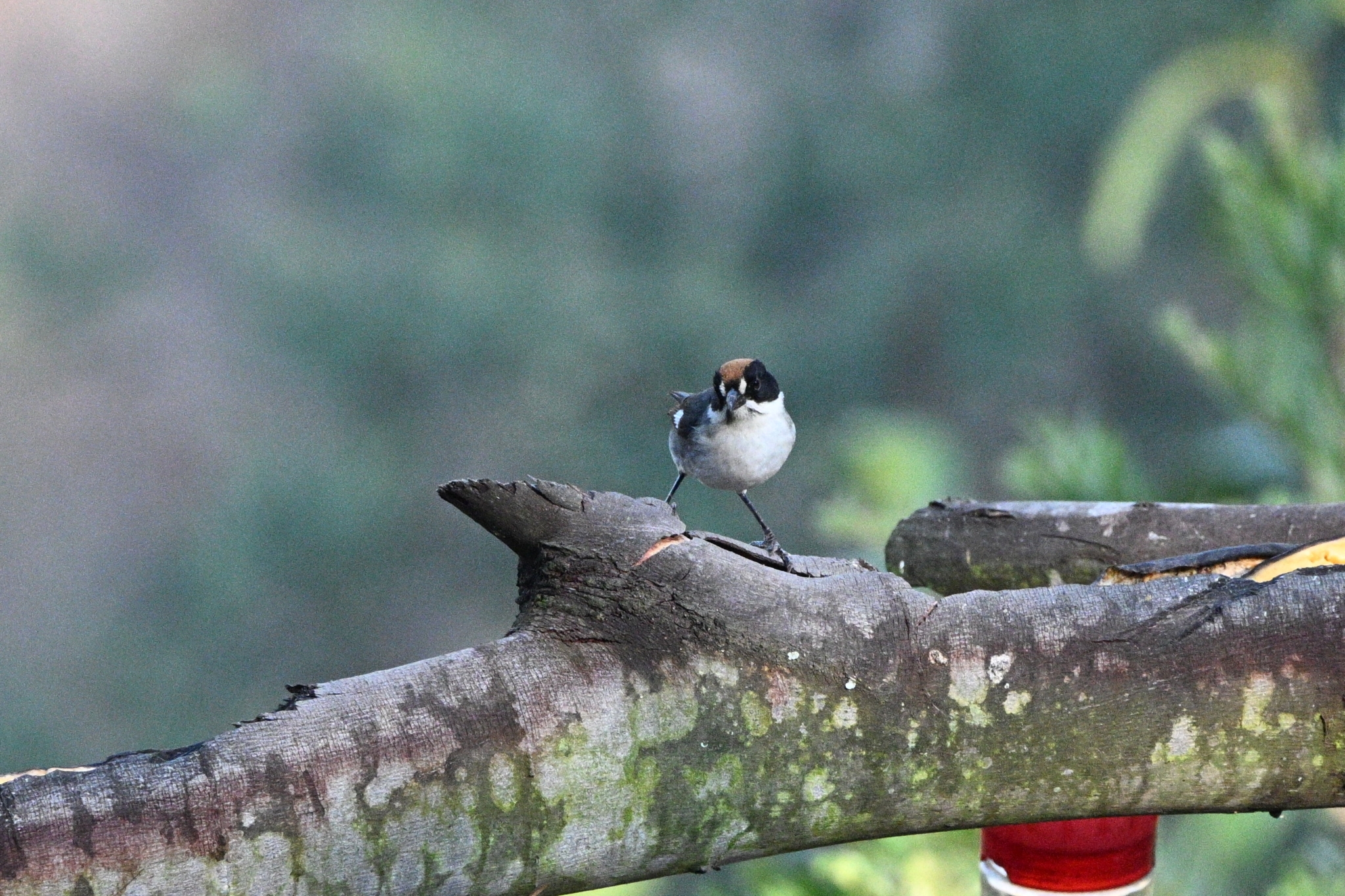 White-winged Brushfinch
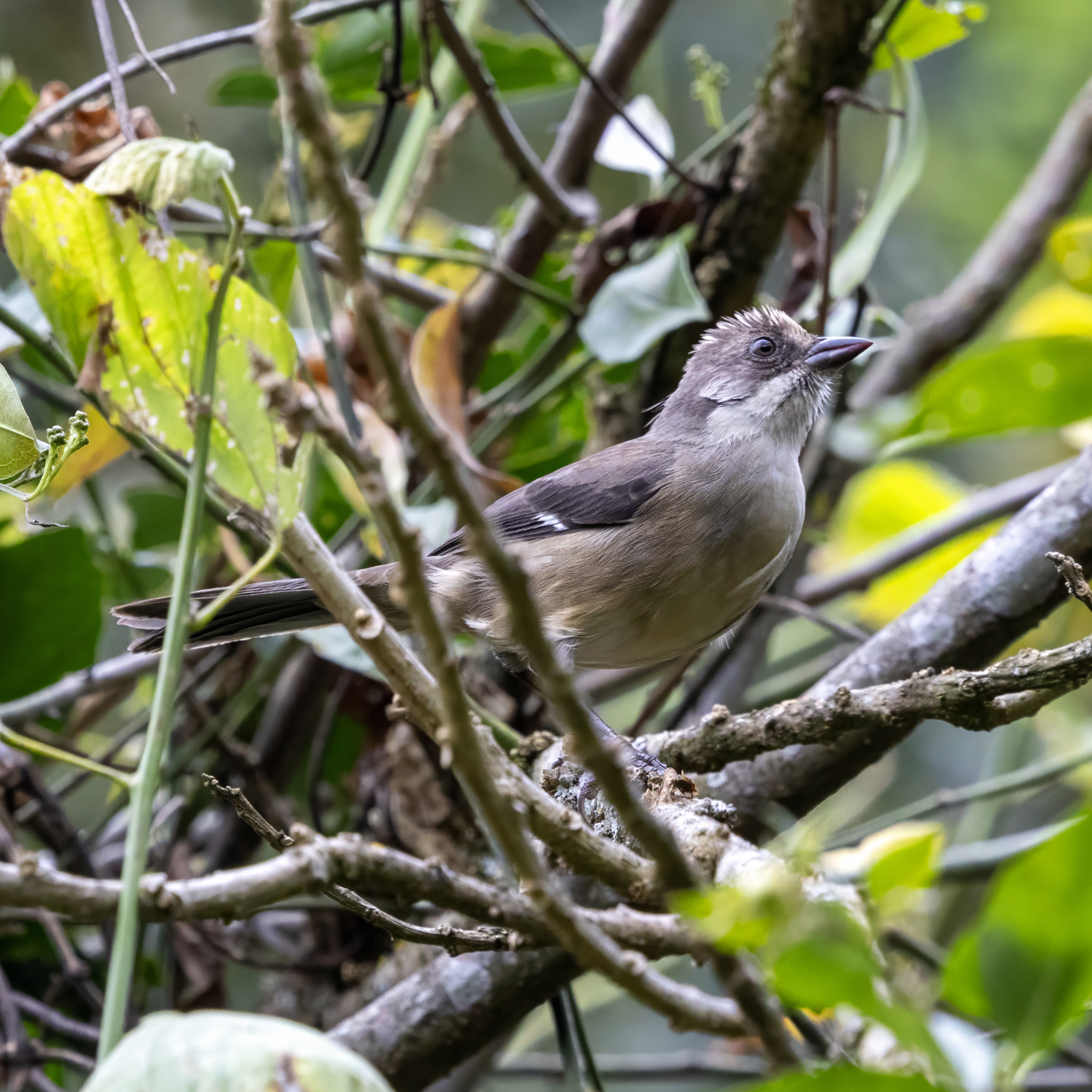 Pale-headed Brushfinch
In short
The White-winged Brushfinch and Pale-headed Brushfinch can be distinguished by their head patterns and wing markings. The White-winged Brushfinch has a more variable head pattern with a distinctive white throat and dark lateral throat stripe, while the Pale-headed Brushfinch features a dingy white head with tawny 'horns' over the nostrils. Both species have white markings on their wings, but the Pale-headed Brushfinch's upperparts are more brownish gray.
Identification tips
- Look for the head pattern: White-winged Brushfinch has a white throat and dark lateral stripe, while Pale-headed Brushfinch has a dingy white head with tawny 'horns'. 2. Check the wing markings: Both have white spots, but note the overall color of the upperparts—gray in White-winged and brownish gray in Pale-headed. 3. Consider the habitat: White-winged prefers drier, shrubby areas, whereas Pale-headed is found in transitional zones.
Size
Both species are similar in size, typical of brushfinches in the Passerellidae family.
Plumage
White-winged Brushfinch has gray upperparts and pale off-gray underparts, with a variable head pattern including a white throat and dark lateral throat stripe. Pale-headed Brushfinch has brownish gray upperparts, a dingy white head with tawny 'horns', and white wing spots.
Behaviour
Both species exhibit typical brushfinch behavior, foraging in dense shrubbery and undergrowth.
Habitat
White-winged Brushfinch inhabits shrubby hillsides and dry habitats, while Pale-headed Brushfinch is found in successional regrowth in a transitional zone between dry valleys and humid slopes.
White-winged Brushfinch · Pale-headed Brushfinch · My Tricky Birds