
White-winged Scoter vs Common Scoter
Melanitta deglandi versus Melanitta nigra
Play a quiz with White-winged Scoter and Common Scoter
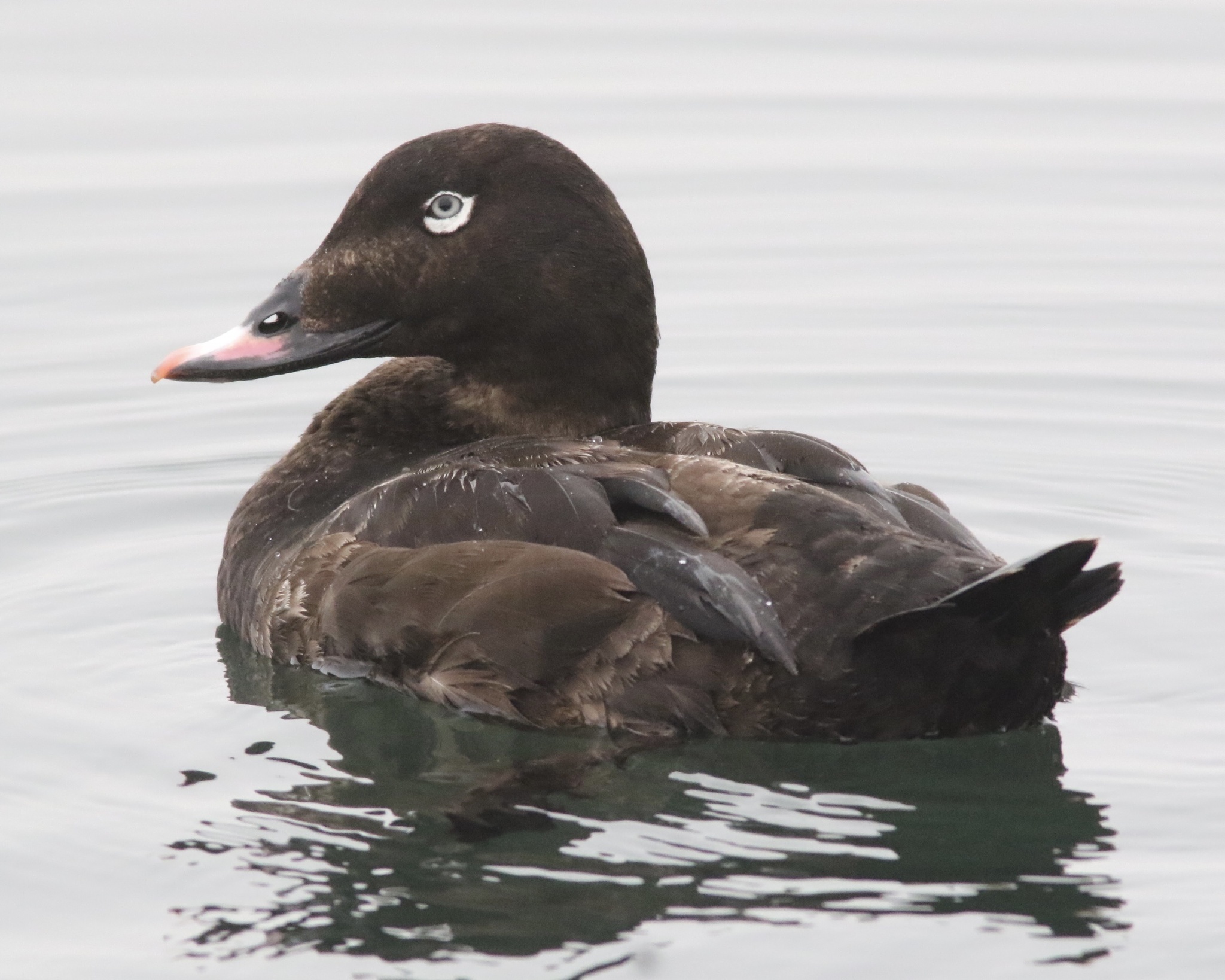 White-winged Scoter
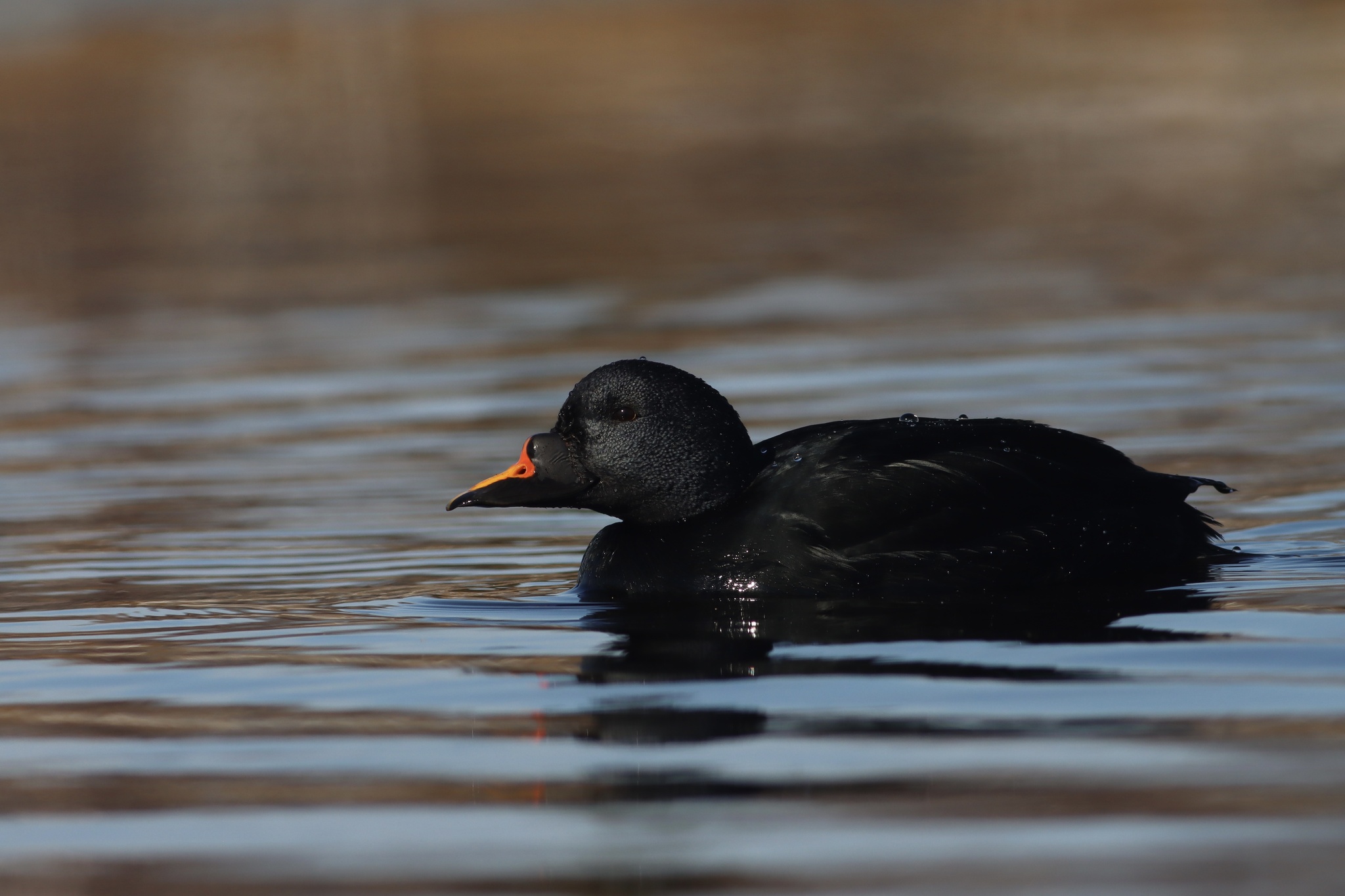 Common Scoter
In short
The White-winged Scoter (Melanitta deglandi) is distinctively marked by its white wing patches and larger size compared to the more uniformly black Common Scoter (Melanitta nigra), which lacks such wing markings. In terms of behavior, the White-winged Scoter is often found in more open coastal environments, while the Common Scoter prefers larger, denser flocks and may exhibit more varied foraging behavior.
Identification tips
- Birds of the World Similar-Species Diagnostics:
-
The White-winged Scoter is distinguished from the Common Scoter by its white wing patches, which are absent in the latter species. Additionally, the absence of white in the wing of the Common Scoter separates it from the White-winged Scoter (source: Birds of the World).
-
AI Field Diagnostics:
- Look for Wing Patterns: The most immediate way to differentiate these two species is to observe the wing markings. The White-winged Scoter's white wing patches are a clear identifying feature, while the Common Scoter appears uniformly dark.
- Bill Coloration: The White-winged Scoter has a yellow patch on its bill, particularly on the culmen, which is absent in the Common Scoter. This is especially pronounced in males.
- Group Behavior: If you observe a large flock, pay attention to the size and arrangement of the birds. The Common Scoter typically forms larger and denser groups, while the White-winged Scoter may appear in smaller, more dispersed flocks.
- Flight Style: Watch how they take off and fly. The White-winged Scoter runs along the water before taking off and flies in a more direct line, while the Common Scoter’s flight can appear lighter and more fluttery.
- Habitat Preferences: Consider the habitat where you spot these species. If you are near open coastal areas with visible wing patches, it’s likely a White-winged Scoter; if you see a dense group of dark ducks on larger bodies of water, they’re likely Common Scoters.
By using these identifiers, birdwatchers can successfully distinguish between the White-winged Scoter and the Common Scoter in the field.
Size
- White-winged Scoter: Typically measures 43-54 cm in length, with males averaging 964-1339 g and females slightly lighter at 973-1233 g. Wingspan ranges from 79-90 cm.
- Common Scoter: Also measures approximately 43-54 cm in length, with similar weight ranges but often leaning towards the lower end. Size can be variable depending on age and sex.
Plumage
- White-winged Scoter: Males display a dark sooty black plumage with a prominent white wing patch that is easily visible in flight. The bill features a yellow patch on the culmen, which is a key identifying feature. Females are dark brown but also exhibit a less pronounced wing pattern.
- Common Scoter: Males are mostly sooty black without the distinctive white wing patches of the White-winged Scoter. Their bills are dull black with no bright coloration. Females are a more uniform dark brown and can be confused with females of the White-winged Scoter, but lack the wing markings.
Behaviour
- White-winged Scoter: Typically feeds by diving and prefers to forage on or near the bottom of the water body. They tend to run and fly along the water surface before taking off, and often fly in "strings" over the water.
- Common Scoter: Also feeds by diving, but is known for forming large, dense flocks at sea. Their diving behavior is synchronized within the group, making them more visually striking when observed in large numbers.
Habitat
- White-winged Scoter: Prefers open coastal environments, particularly bays and inlets during winter, and large wetlands or lakes during the breeding season. They are often found in brackish to freshwater sites.
- Common Scoter: Commonly found in coastal areas and also prefers larger bodies of water where they can form dense flocks. They are more widespread across various marine and freshwater habitats.
Voice
- White-winged Scoter: Usually silent but can produce a variety of calls, particularly during the breeding season.
- Common Scoter: Generally quiet but males emit thin piping whistles, especially in calm weather. Both sexes may produce harsh rasping notes and “gyu” calls at night during migration.