Birdr

Whooper Swan vs Ruddy Shelduck

Cygnus cygnus versus Tadorna ferruginea

Play a quiz with Whooper Swan and Ruddy Shelduck
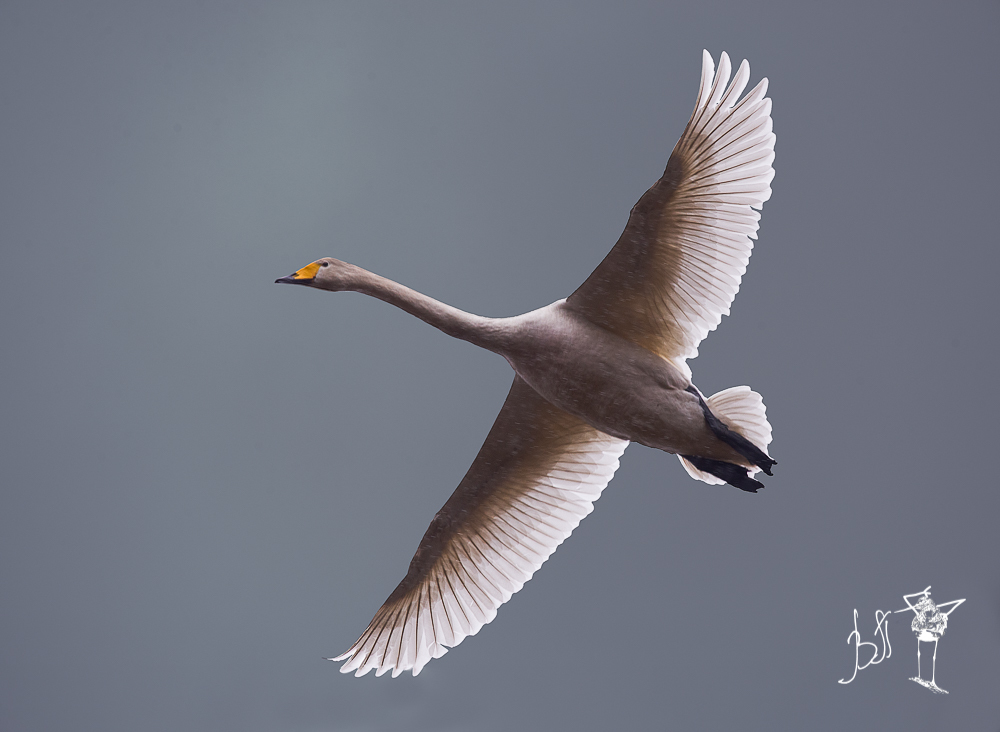
Whooper Swan (Cygnus cygnus) Whooper Swan
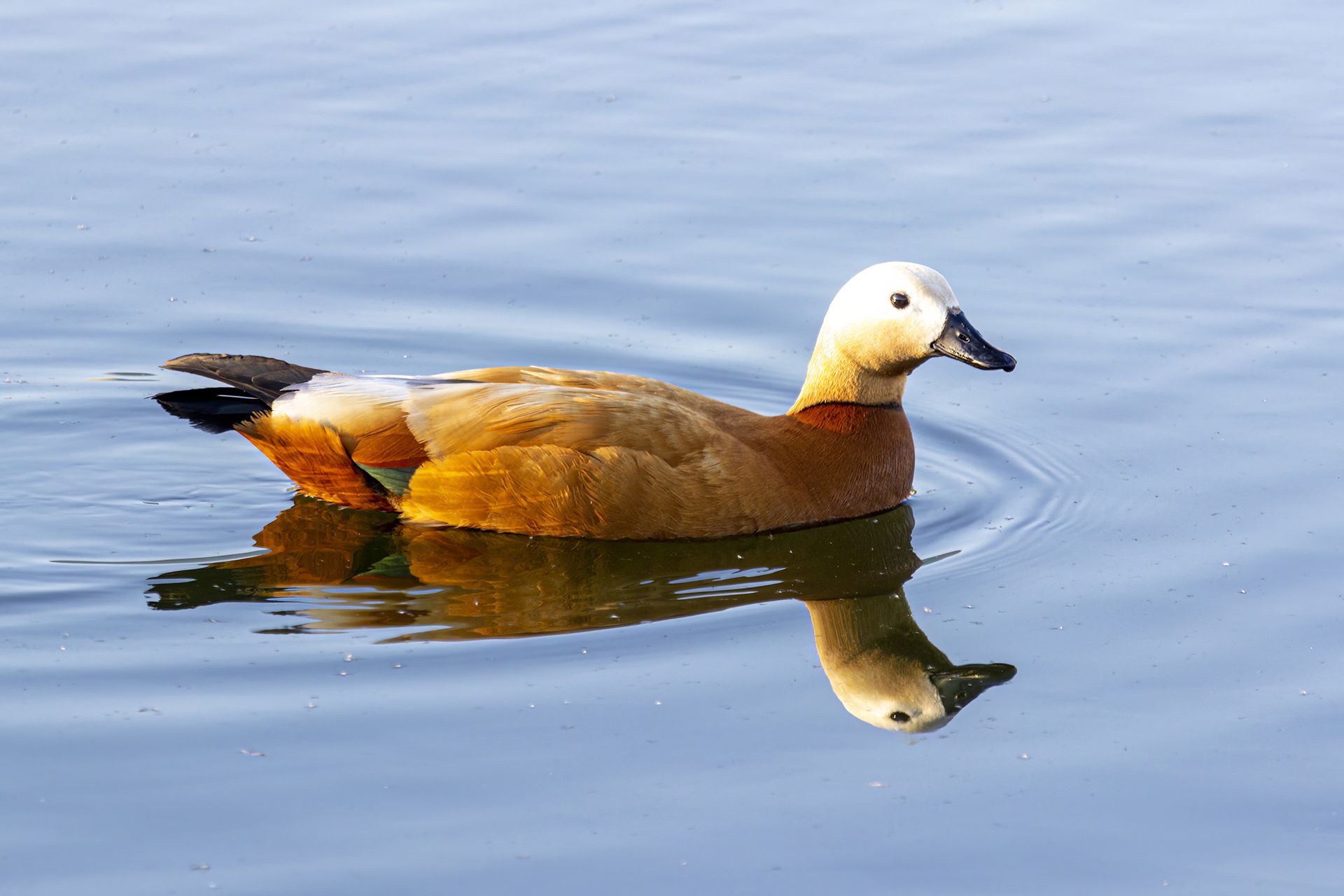
Ruddy Shelduck (Tadorna ferruginea) Ruddy Shelduck

Media

Loading…

In short

The Whooper Swan and Ruddy Shelduck are both large waterfowl but differ significantly in appearance and behavior. The Whooper Swan is a large, white swan with a distinctive yellow and black bill, while the Ruddy Shelduck is smaller, with a warm orange-brown body and a pale head. These differences are usually clear in the field, especially when observing their contrasting habitats and behaviors.

Identification tips

Look for the yellow and black bill of the Whooper Swan versus the orange-brown plumage of the Ruddy Shelduck. Consider habitat: Whooper Swans are more likely on large, open water bodies, while Ruddy Shelducks may be found in diverse environments, including manmade wetlands. Listen for the Whooper Swan's trumpeting call compared to the Ruddy Shelduck's honking.

Size

The Whooper Swan is significantly larger than the Ruddy Shelduck, with a more robust body and longer neck.

Plumage

Whooper Swans are predominantly white with a striking yellow and black bill. In contrast, Ruddy Shelducks have a warm orange-brown body, a paler head, and black flight feathers contrasting with white wing coverts.

Behaviour

Whooper Swans are often seen in large flocks on open water, while Ruddy Shelducks are more likely to be found in pairs or small groups, often away from open water.

Habitat

Whooper Swans prefer large lakes and wetlands, often in colder climates. Ruddy Shelducks are more adaptable, found in a variety of habitats including rivers, lakes, and even manmade wetlands, often in warmer regions.

Voice

Whooper Swans have a loud, trumpeting call, while Ruddy Shelducks have a more nasal, honking sound.

Submit a better description

Use the same sections as the comparison. Your text is published immediately.

The Whooper Swan and Ruddy Shelduck are both large waterfowl but differ significantly in appearance and behavior. The Whooper Swan is a large, white swan with a distinctive yellow and black bill, while the Ruddy Shelduck is smaller, with a warm orange-brown body and a pale head. These differences are usually clear in the field, especially when observing their contrasting habitats and behaviors.

Look for the yellow and black bill of the Whooper Swan versus the orange-brown plumage of the Ruddy Shelduck. Consider habitat: Whooper Swans are more likely on large, open water bodies, while Ruddy Shelducks may be found in diverse environments, including manmade wetlands. Listen for the Whooper Swan's trumpeting call compared to the Ruddy Shelduck's honking.

The Whooper Swan is significantly larger than the Ruddy Shelduck, with a more robust body and longer neck.

Whooper Swans are predominantly white with a striking yellow and black bill. In contrast, Ruddy Shelducks have a warm orange-brown body, a paler head, and black flight feathers contrasting with white wing coverts.

Whooper Swans are often seen in large flocks on open water, while Ruddy Shelducks are more likely to be found in pairs or small groups, often away from open water.

Whooper Swans prefer large lakes and wetlands, often in colder climates. Ruddy Shelducks are more adaptable, found in a variety of habitats including rivers, lakes, and even manmade wetlands, often in warmer regions.

Whooper Swans have a loud, trumpeting call, while Ruddy Shelducks have a more nasal, honking sound.

Discard your changes?

You have unsaved edits. If you leave now, those changes will be lost.

Whooper Swan · Ruddy Shelduck · My Tricky Birds