
Wild Turkey vs Sharp-tailed Grouse
Meleagris gallopavo versus Tympanuchus phasianellus
Play a quiz with Wild Turkey and Sharp-tailed Grouse
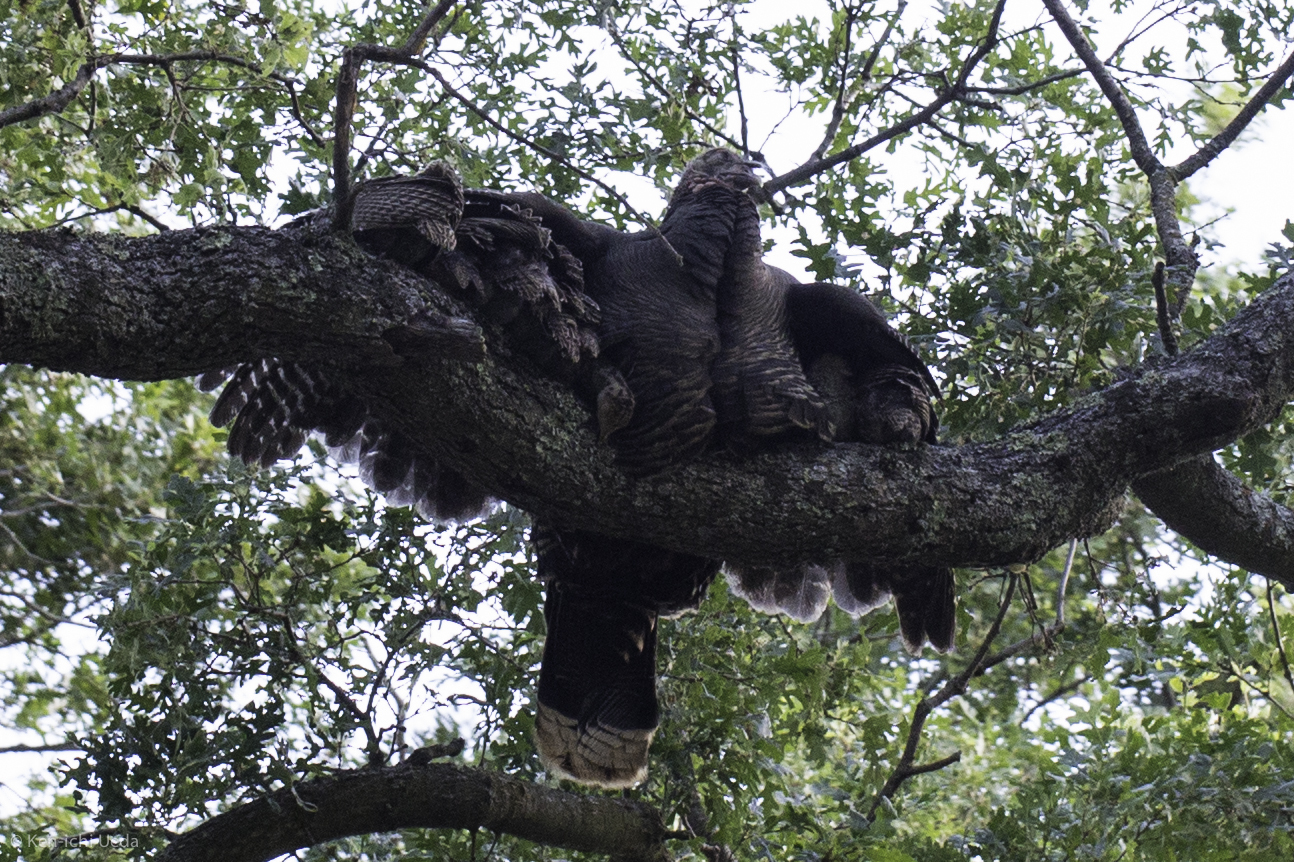 Wild Turkey
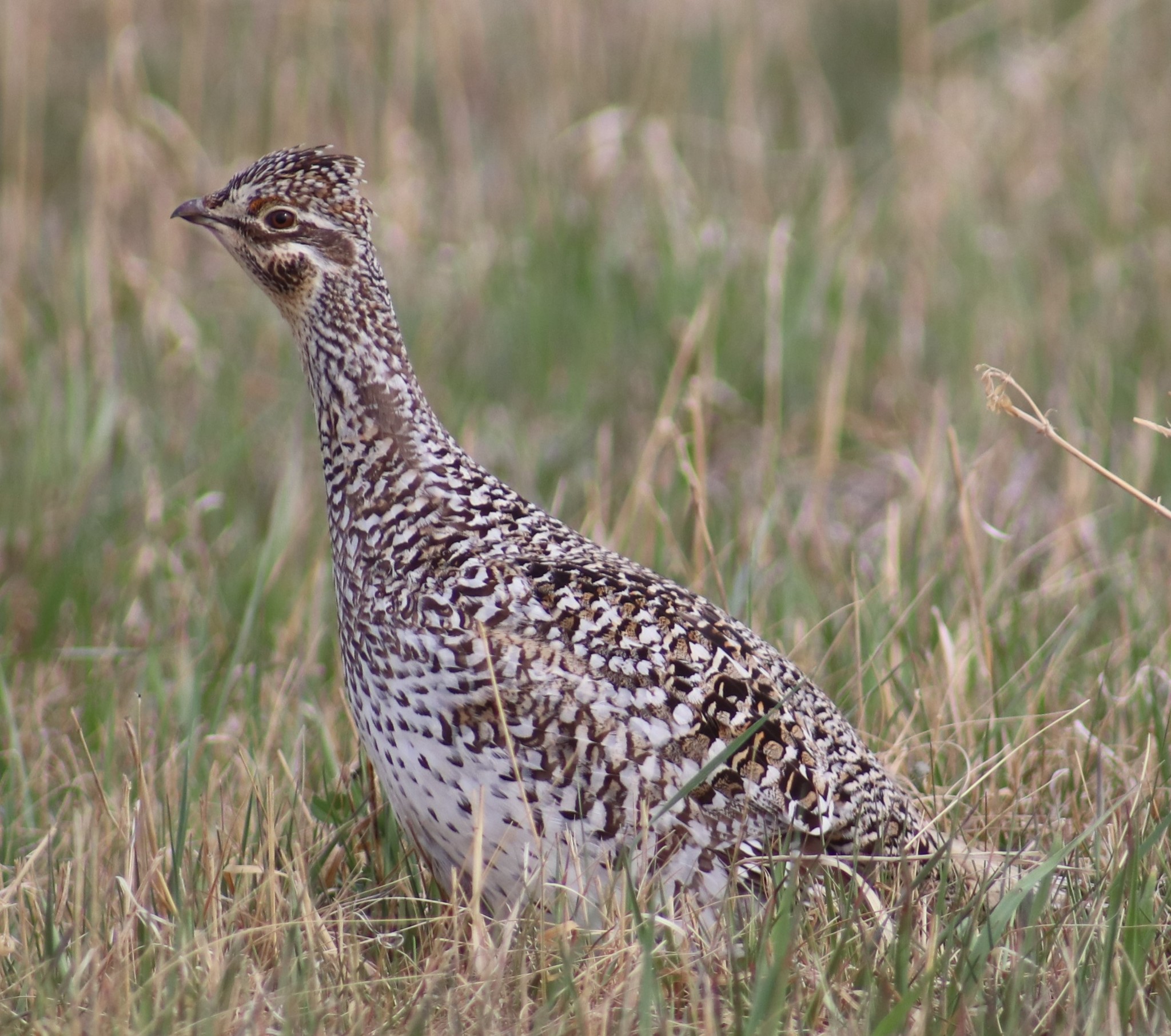 Sharp-tailed Grouse
In short
The Wild Turkey and Sharp-tailed Grouse are both ground-dwelling birds of North America, but they differ significantly in size and behavior. Wild Turkeys are much larger and often seen in flocks, while Sharp-tailed Grouse are smaller and known for their elaborate courtship displays.
Identification tips
- Size: Look for the large size of the Wild Turkey compared to the smaller Sharp-tailed Grouse.
- Plumage: Note the iridescent plumage and bare head of the Wild Turkey versus the mottled plumage and pointed tail of the Sharp-tailed Grouse.
- Behavior: Observe flocking behavior and tree roosting for Wild Turkeys; look for lekking displays in Sharp-tailed Grouse.
- Habitat: Consider the habitat; Wild Turkeys in wooded areas, Sharp-tailed Grouse in open grasslands.
- Vocalizations: Listen for the gobbling of Wild Turkeys and the cooing of Sharp-tailed Grouse.
Size
Wild Turkeys are significantly larger, with males weighing up to 11 kg, compared to the smaller Sharp-tailed Grouse, which typically weighs around 1 kg.
Plumage
Wild Turkeys have iridescent bronze and green plumage with a bare, red and blue head, while Sharp-tailed Grouse have mottled brown and white plumage with a distinctive pointed tail.
Behaviour
Wild Turkeys are often seen in large flocks and are known for their ground foraging and tree roosting at night. Sharp-tailed Grouse are more solitary outside of breeding season and are famous for their lekking behavior during courtship.
Habitat
Wild Turkeys inhabit a variety of wooded areas across North America, while Sharp-tailed Grouse prefer open grasslands and prairies, often relying on cropland in their range.
Voice
Wild Turkeys are known for their gobbling calls, especially during the breeding season. Sharp-tailed Grouse produce a series of cooing and clucking sounds, particularly during their courtship displays.