
Willow Ptarmigan vs Hooded Warbler
Lagopus lagopus versus Setophaga citrina
Play a quiz with Willow Ptarmigan and Hooded Warbler
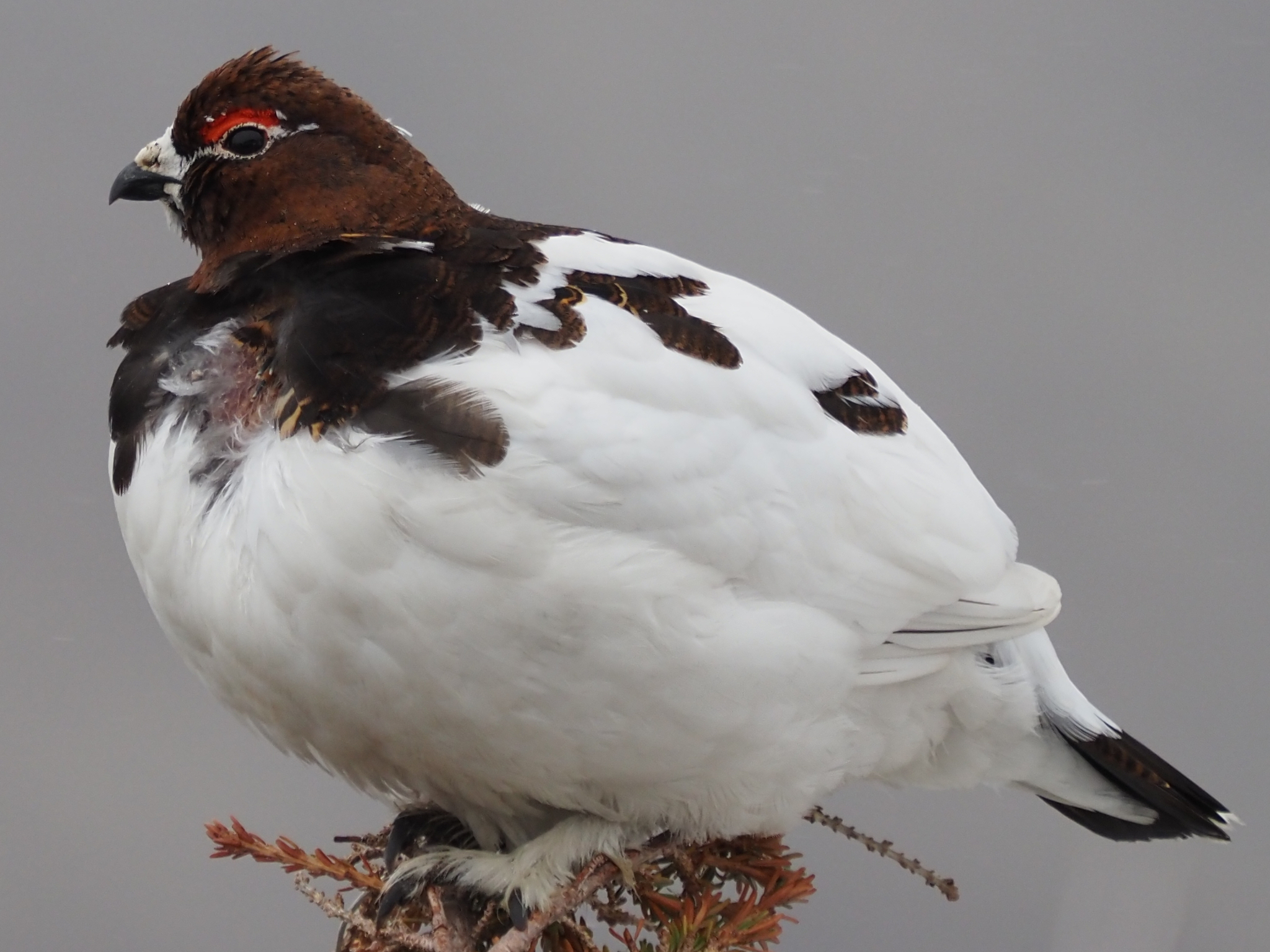 Willow Ptarmigan
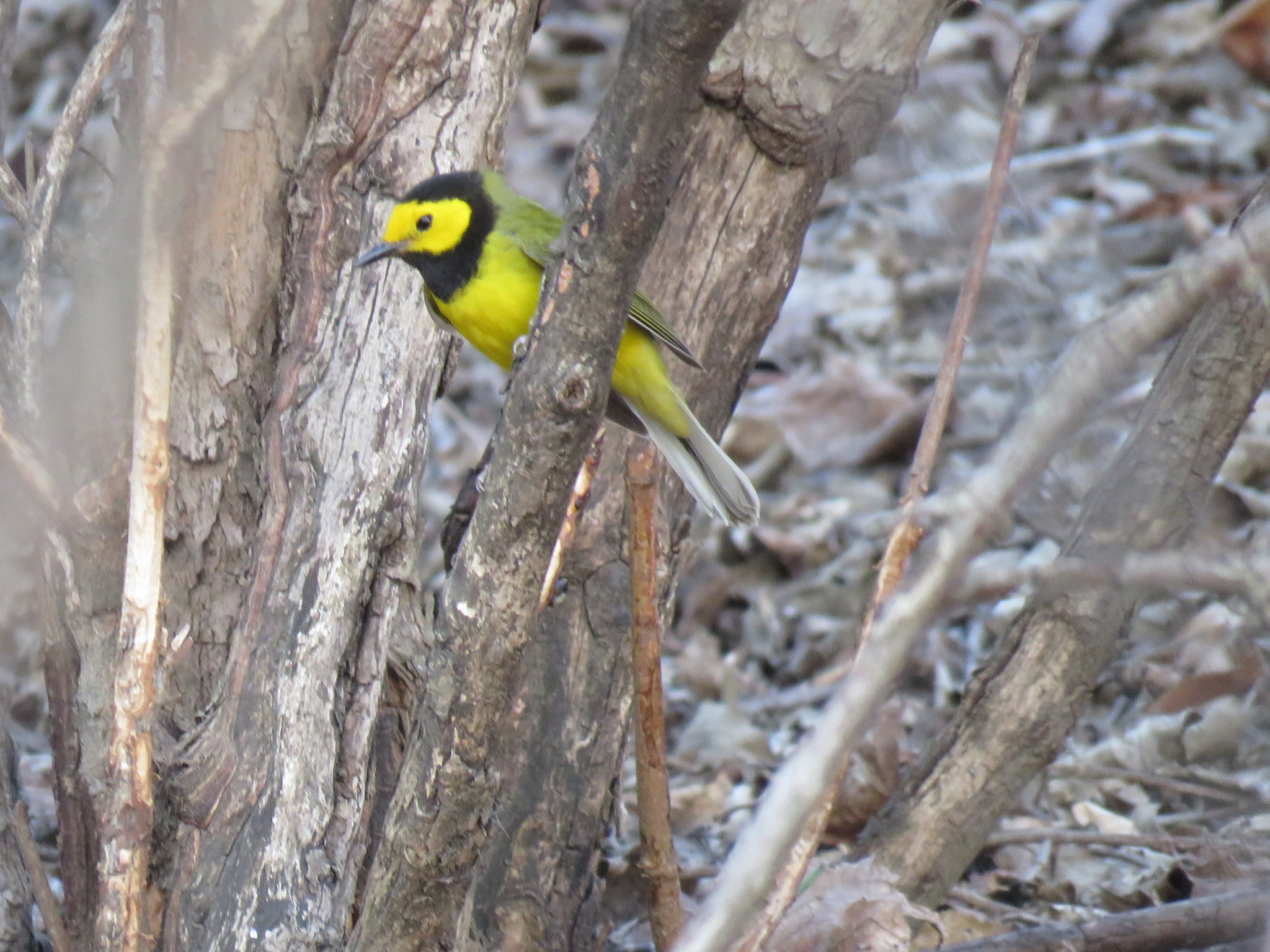 Hooded Warbler
In short
The Willow Ptarmigan and Hooded Warbler are vastly different in appearance and habitat. The Willow Ptarmigan is a ground-dwelling bird adapted to cold environments, while the Hooded Warbler is a small, active songbird found in forested areas. Key differences include size, plumage, and behavior.
Identification tips
- Size and Shape: Willow Ptarmigan is larger and more robust; Hooded Warbler is small and slender. 2. Plumage: Look for the Hooded Warbler's black hood and yellow body, and its tail flicking behavior revealing white spots. 3. Habitat: Consider the environment; ptarmigans are found in cold, open areas, while warblers are in forested regions. 4. Behavior: Observe behavior; ptarmigans are ground-dwellers, while warblers are active and arboreal.
Size
The Willow Ptarmigan is significantly larger than the Hooded Warbler, with a robust body typical of grouse, whereas the Hooded Warbler is a small, slender songbird.
Plumage
The Willow Ptarmigan has cryptic plumage that changes with the seasons for camouflage, while the Hooded Warbler is known for its striking black hood and bright yellow body. The Hooded Warbler's tail flicking reveals white spots, a distinctive feature not found in ptarmigans.
Behaviour
Willow Ptarmigans are relatively tame and often seen on the ground, using snow burrows for shelter. In contrast, Hooded Warblers are active foragers, flicking their tails to startle prey and are more arboreal.
Habitat
Willow Ptarmigans inhabit cold, northern environments with snow, while Hooded Warblers prefer dense understory in forest edges or gaps in the eastern U.S. and southern Canada.
Voice
The Hooded Warbler has a distinctive song used for territorial defense and mate attraction, while Willow Ptarmigan vocalizations are less documented but are not a primary field mark.