
Willow Ptarmigan vs Mourning Dove
Lagopus lagopus versus Zenaida macroura
Play a quiz with Willow Ptarmigan and Mourning Dove
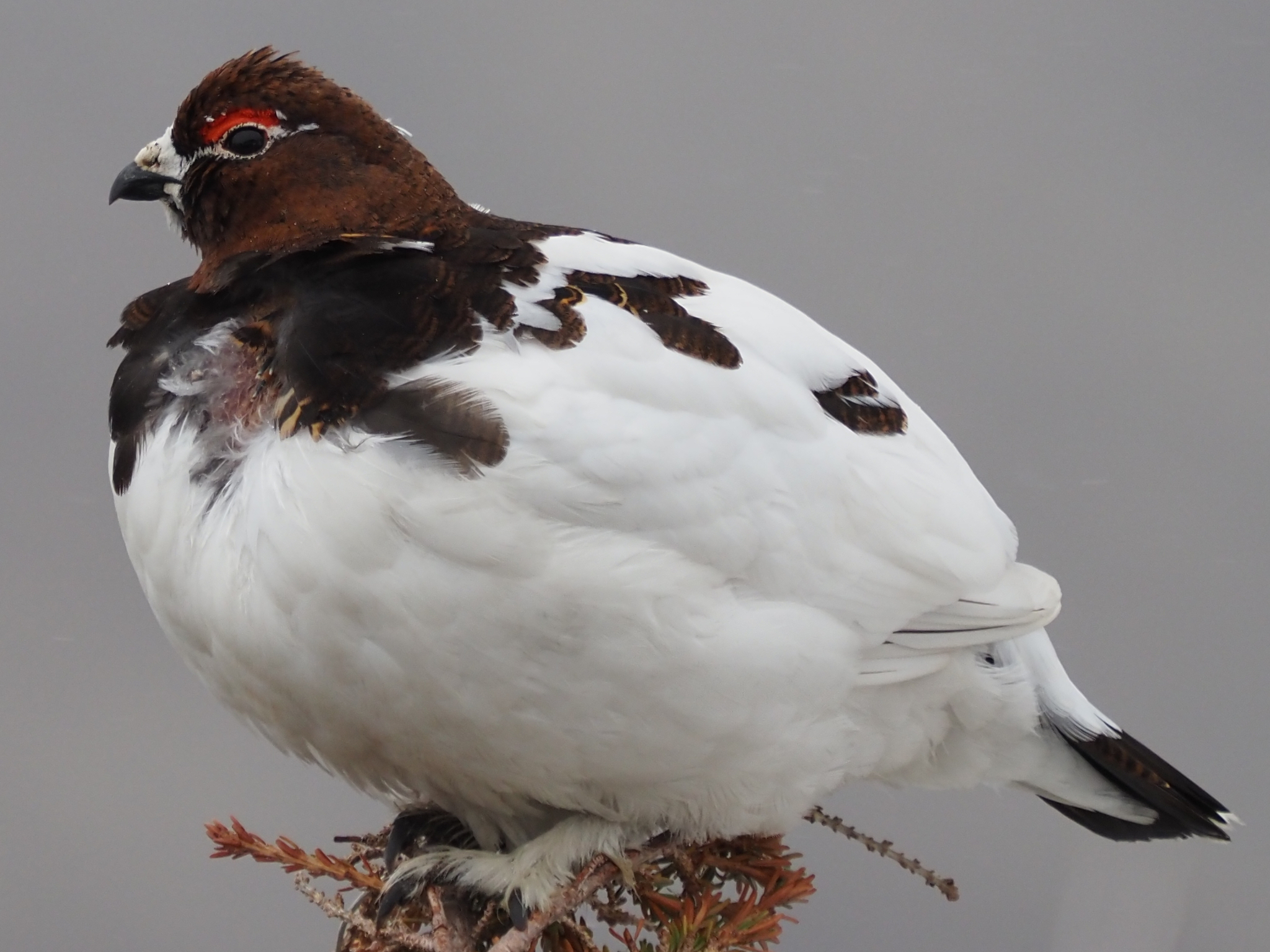 Willow Ptarmigan
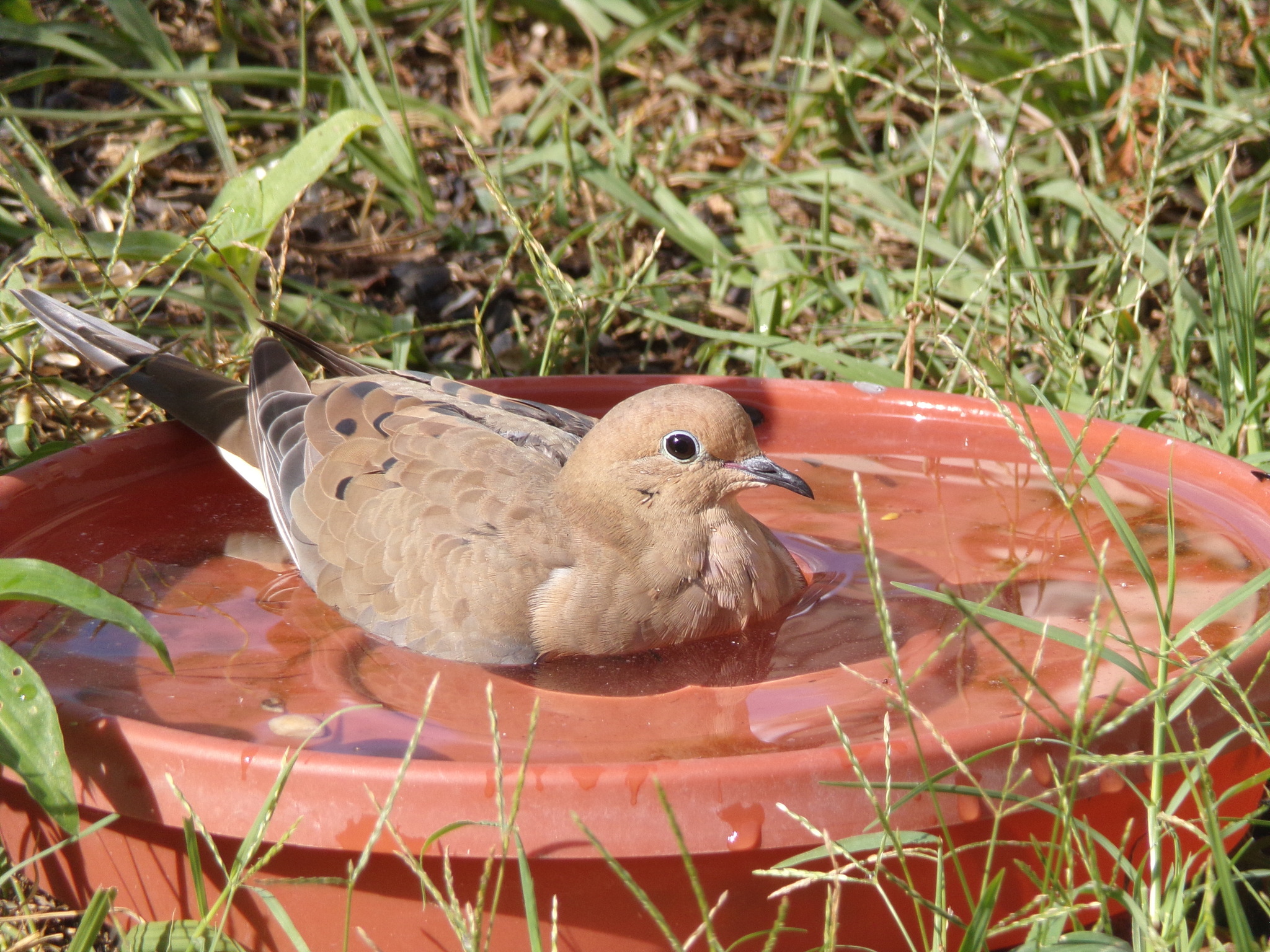 Mourning Dove
In short
The Willow Ptarmigan and Mourning Dove are distinct in both appearance and behavior. The Willow Ptarmigan is a ground-dwelling bird with cryptic plumage suited for northern environments, while the Mourning Dove is a slender, long-tailed bird commonly found in open habitats across North America.
Identification tips
1. Size and Shape: Willow Ptarmigan are larger and more robust, with feathered legs, while Mourning Doves are slender with a long, pointed tail. 2. Plumage: Look for the seasonal camouflage of the Willow Ptarmigan versus the uniform brownish-gray of the Mourning Dove. 3. Behavior: Willow Ptarmigan are often found on the ground and are relatively tame, whereas Mourning Doves are more often seen perched or in flight. 4. Habitat: Consider the environment; Willow Ptarmigan are in northern, snowy areas, while Mourning Doves prefer open, warmer habitats. 5. Vocalization: Listen for the distinctive cooing of the Mourning Dove, absent in the Willow Ptarmigan.
Size
The Willow Ptarmigan is larger and more robust than the slender Mourning Dove.
Plumage
Willow Ptarmigan have cryptic plumage that changes seasonally for camouflage, with feathered legs and a more rounded body. Mourning Doves have a sleek, uniform brownish-gray plumage with a distinctive long, pointed tail and small head.
Behaviour
Willow Ptarmigan are ground-dwelling and often tame, with males involved in parental care. Mourning Doves are more skittish, often seen perched on wires or foraging on the ground, and both parents share incubation duties.
Habitat
Willow Ptarmigan inhabit northern tundra and boreal forests, using snow for shelter. Mourning Doves are habitat generalists, preferring open areas and avoiding dense forests and wetlands.
Voice
The Willow Ptarmigan's calls are not as well-known as the Mourning Dove's distinctive, mournful cooing, which is easily recognizable and common in spring and summer.