Birdr

Willow Ptarmigan vs Sandhill Crane

Lagopus lagopus versus Antigone canadensis

Play a quiz with Willow Ptarmigan and Sandhill Crane
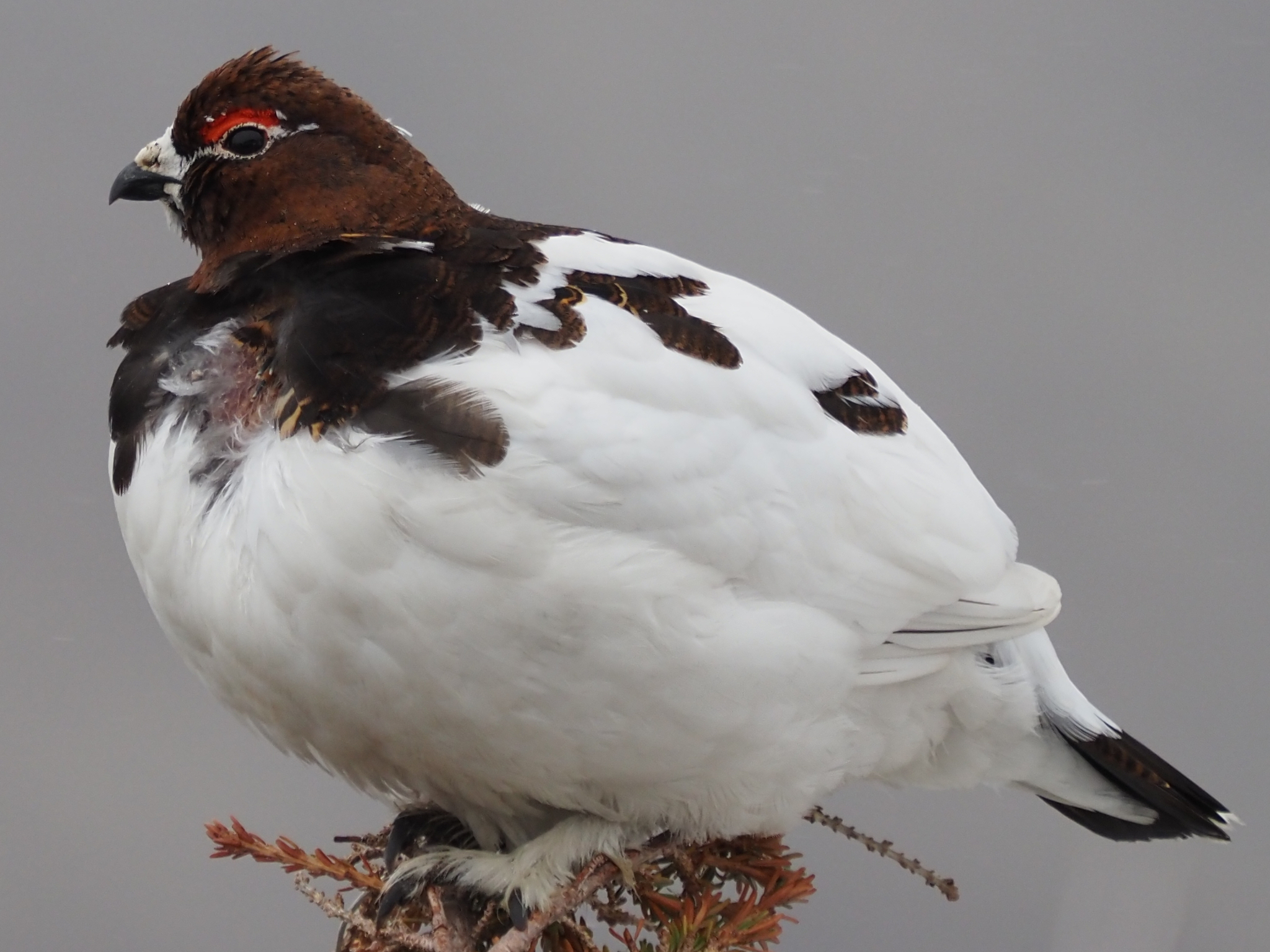
Willow Ptarmigan (Lagopus lagopus) Willow Ptarmigan
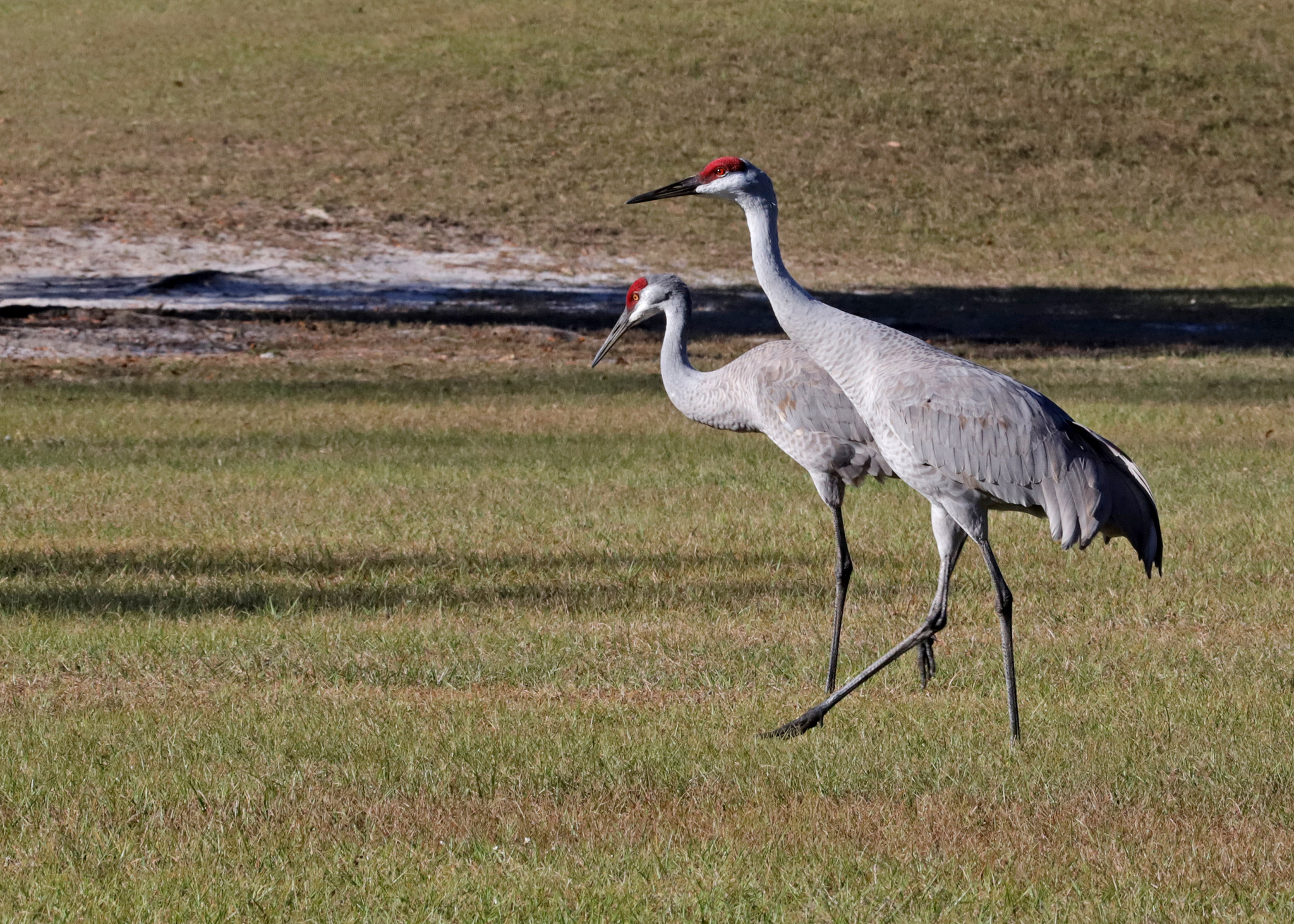
Sandhill Crane (Antigone canadensis) Sandhill Crane

Media

Loading…

In short

The Willow Ptarmigan and Sandhill Crane are easily distinguished by size and habitat. The ptarmigan is a small, ground-dwelling bird with cryptic plumage, while the crane is a large, long-legged bird often seen in open fields or wetlands.

Identification tips

Size and shape: Look for the large size and long legs of the Sandhill Crane. Habitat: Note the open fields and wetlands for cranes versus tundra for ptarmigans. Plumage: Check for the red crown on cranes and seasonal camouflage on ptarmigans. Behavior: Observe flocking behavior and courtship dances in cranes.

Size

The Willow Ptarmigan is much smaller, roughly the size of a chicken, whereas the Sandhill Crane is large, standing nearly as tall as a human.

Plumage

Willow Ptarmigans have cryptic plumage that changes seasonally for camouflage, while Sandhill Cranes have a consistent gray body with a distinctive red crown.

Behaviour

Willow Ptarmigans are ground-dwelling and often seen in pairs or small groups, with males involved in parental care. Sandhill Cranes are often seen in flocks, especially during migration, and perform elaborate courtship dances.

Habitat

Willow Ptarmigans inhabit tundra and boreal forests, often using snow burrows for shelter. Sandhill Cranes are found in open fields, wetlands, and along rivers.

Voice

The Willow Ptarmigan's calls are generally quieter and less conspicuous, while the Sandhill Crane is known for its loud, trumpeting calls.

Submit a better description

Use the same sections as the comparison. Your text is published immediately.

The Willow Ptarmigan and Sandhill Crane are easily distinguished by size and habitat. The ptarmigan is a small, ground-dwelling bird with cryptic plumage, while the crane is a large, long-legged bird often seen in open fields or wetlands.

Size and shape: Look for the large size and long legs of the Sandhill Crane. Habitat: Note the open fields and wetlands for cranes versus tundra for ptarmigans. Plumage: Check for the red crown on cranes and seasonal camouflage on ptarmigans. Behavior: Observe flocking behavior and courtship dances in cranes.

The Willow Ptarmigan is much smaller, roughly the size of a chicken, whereas the Sandhill Crane is large, standing nearly as tall as a human.

Willow Ptarmigans have cryptic plumage that changes seasonally for camouflage, while Sandhill Cranes have a consistent gray body with a distinctive red crown.

Willow Ptarmigans are ground-dwelling and often seen in pairs or small groups, with males involved in parental care. Sandhill Cranes are often seen in flocks, especially during migration, and perform elaborate courtship dances.

Willow Ptarmigans inhabit tundra and boreal forests, often using snow burrows for shelter. Sandhill Cranes are found in open fields, wetlands, and along rivers.

The Willow Ptarmigan's calls are generally quieter and less conspicuous, while the Sandhill Crane is known for its loud, trumpeting calls.

Discard your changes?

You have unsaved edits. If you leave now, those changes will be lost.

Willow Ptarmigan · Sandhill Crane · My Tricky Birds