
Wilson's Snipe vs Chestnut-sided Warbler
Gallinago delicata versus Setophaga pensylvanica
Play a quiz with Wilson's Snipe and Chestnut-sided Warbler
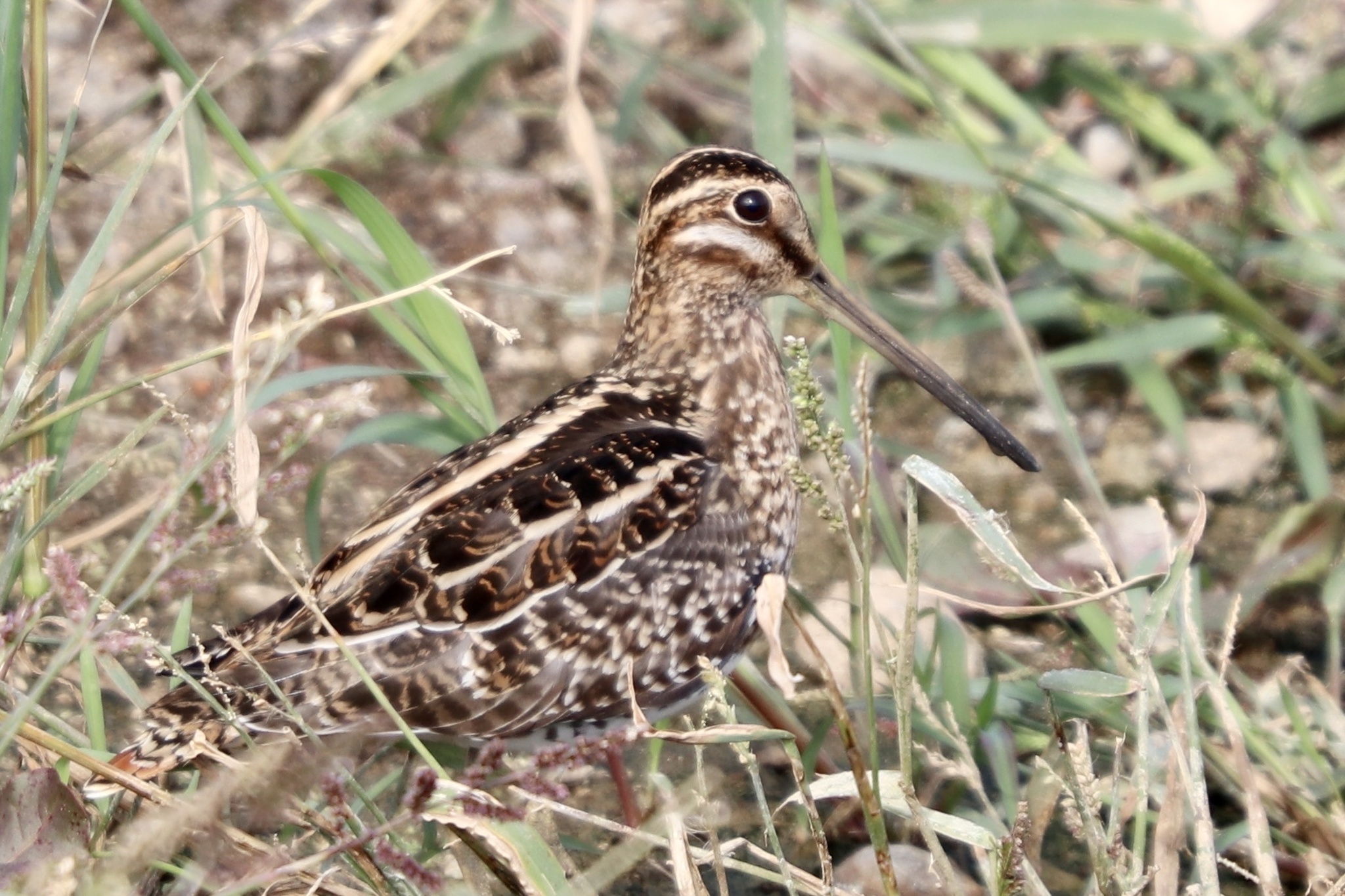 Wilson's Snipe
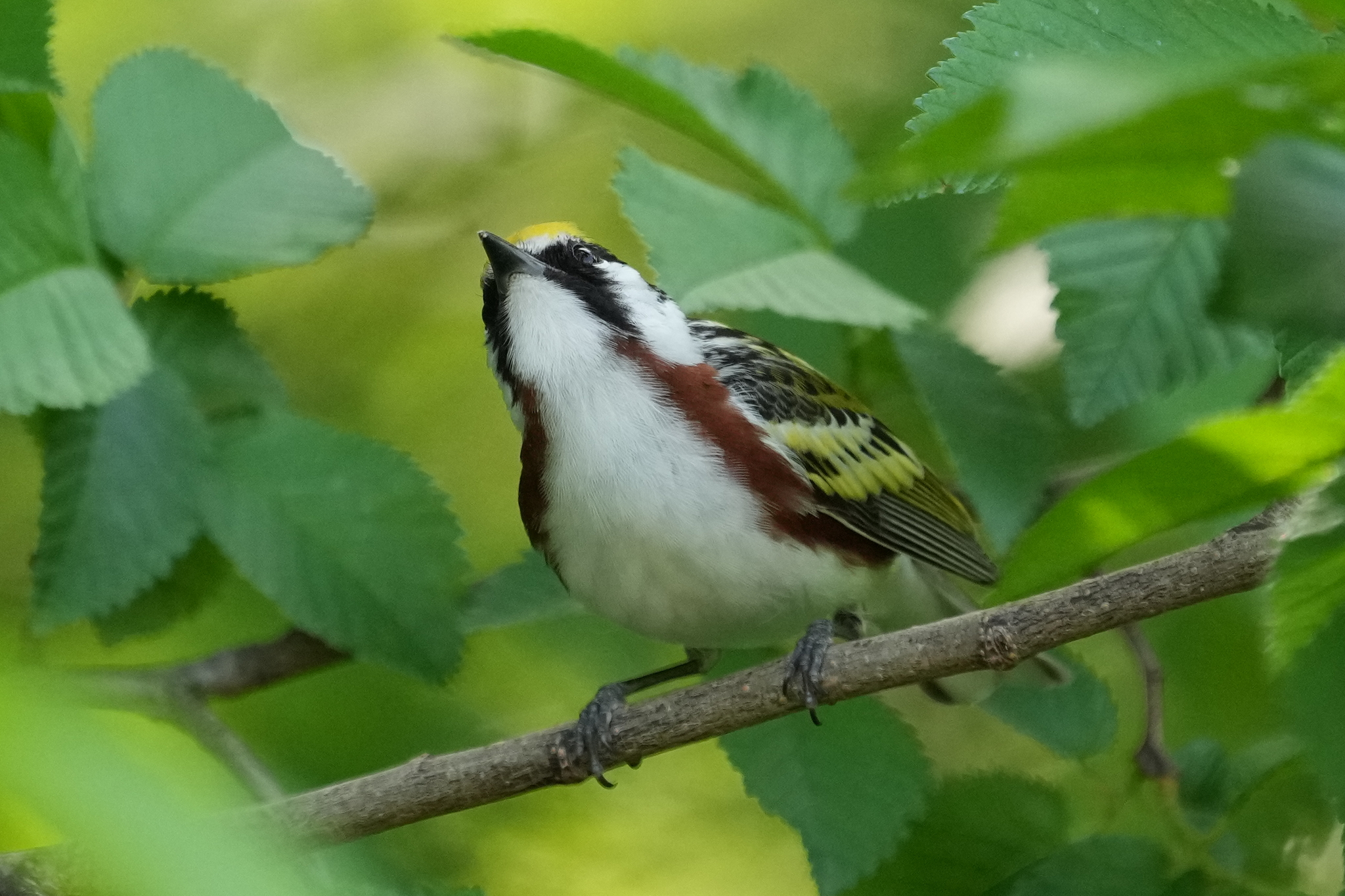 Chestnut-sided Warbler
In short
Wilson's Snipe and Chestnut-sided Warbler are easily distinguished by their size and habitat preferences. Wilson's Snipe is a medium-sized shorebird with a long bill, while the Chestnut-sided Warbler is a small, colorful songbird often found in trees. Their plumage and behavior also differ significantly.
Identification tips
1. Size and Structure: Wilson's Snipe is larger with a long, straight bill; Chestnut-sided Warbler is small with a short, pointed bill. 2. Habitat: Look for Wilson's Snipe in wet, open areas; Chestnut-sided Warbler in wooded or shrubby areas. 3. Plumage: Note the snipe's cryptic pattern versus the warbler's bright chestnut sides and yellow-green back. 4. Behavior: Snipe often seen probing or in flight; warbler actively foraging in trees. 5. Vocalization: Listen for the snipe's winnowing and the warbler's distinctive song.
Size
Wilson's Snipe is much larger and bulkier than the Chestnut-sided Warbler, with a long bill suited for probing mud, while the warbler is small and agile, typical of songbirds.
Plumage
Wilson's Snipe has cryptic brown and buff plumage with bold stripes on its head and back, aiding in camouflage. In contrast, the Chestnut-sided Warbler is vibrant, with a striking combination of yellow, green, and chestnut on its sides during the breeding season.
Behaviour
Wilson's Snipe is often seen probing in muddy wetlands or flying in zigzag patterns when flushed. The Chestnut-sided Warbler is an active forager, moving through foliage with its tail cocked, searching for insects.
Habitat
Wilson's Snipe prefers marshes, bogs, and wet meadows, while the Chestnut-sided Warbler is typically found in deciduous forests and shrubby areas, especially during migration and breeding.
Voice
Wilson's Snipe is known for its 'winnowing' sound produced by its tail feathers during display flights. The Chestnut-sided Warbler has a distinctive song, often described as 'pleased, pleased, pleased to meet you,' which is used to attract mates and establish territory.