Birdr

Wilson's Snipe vs Veery

Gallinago delicata versus Catharus fuscescens

Play a quiz with Wilson's Snipe and Veery
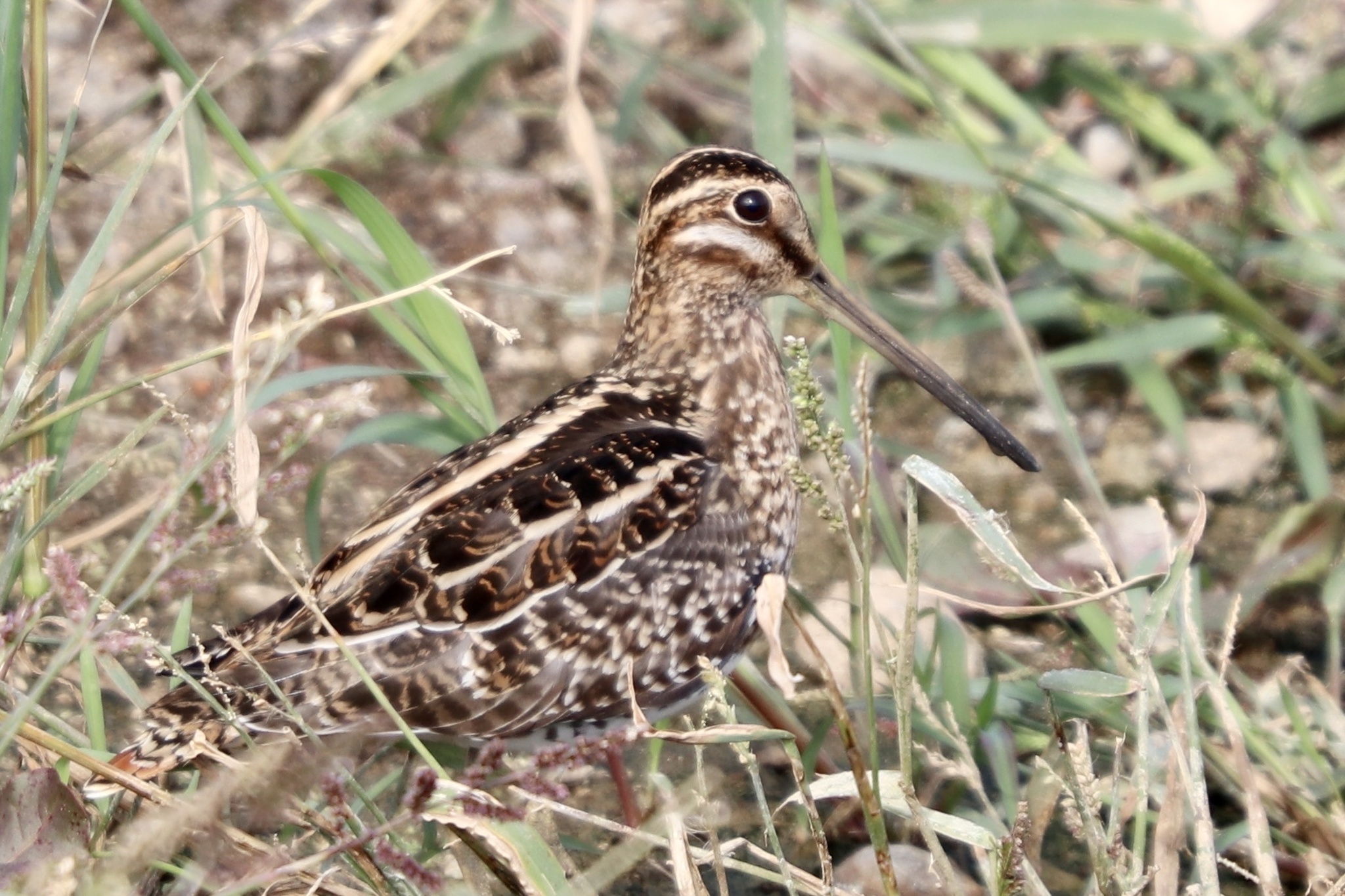
Wilson's Snipe (Gallinago delicata) Wilson's Snipe
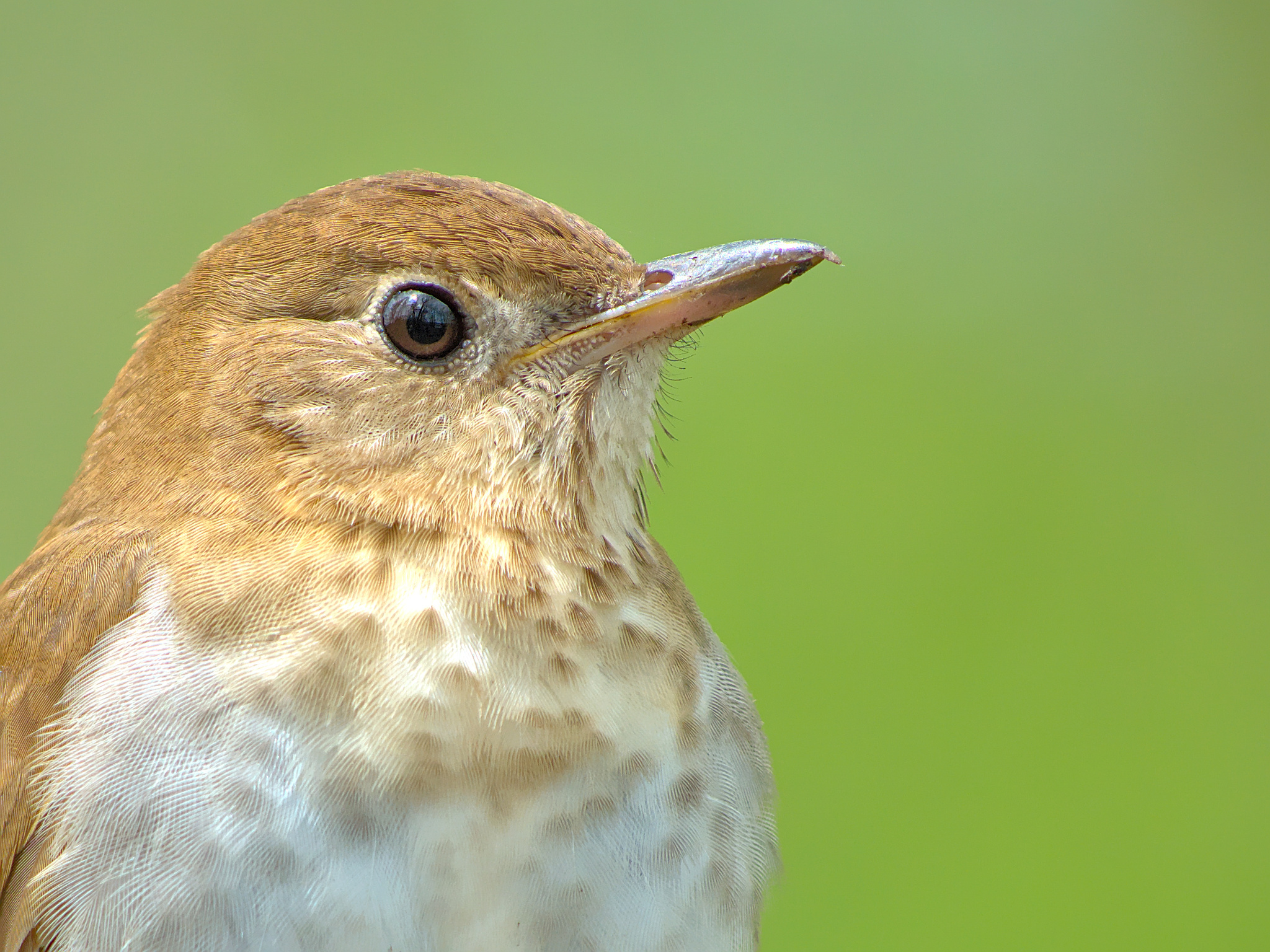
Veery (Catharus fuscescens) Veery

Media

Loading…

In short

Wilson's Snipe and Veery are easily distinguished by habitat and structure: the Snipe is a wader with a long bill, while the Veery is a woodland thrush with a shorter bill. In the field, focus on the Snipe's cryptic plumage and the Veery's warm, tawny tones.

Identification tips

1. Habitat: Observe the environment; Snipes are in wetlands, Veeries in forests. 2. Bill Length: Snipe has a long bill; Veery's is short. 3. Plumage: Look for the Snipe's striped head and back versus the Veery's uniform tawny color. 4. Behavior: Note foraging style; Snipes probe mud, Veeries forage on forest floors. 5. Vocalization: Listen for the Snipe's winnowing and the Veery's song.

Size

Wilson's Snipe is larger and more robust, with a long bill suited for probing. Veery is smaller, with a typical thrush shape and a shorter bill.

Plumage

Wilson's Snipe has intricately patterned brown and buff plumage with bold stripes on its head and back. Veery displays a more uniform tawny-brown coloration with faint spotting on the breast.

Behaviour

Wilson's Snipe is often seen in wet, open areas where it probes the mud for food. Veery is more likely to be found foraging on the forest floor or singing from a perch in wooded areas.

Habitat

Wilson's Snipe inhabits marshes, bogs, and wet meadows. Veery prefers damp deciduous forests and thickets, often near streams.

Voice

Wilson's Snipe produces a distinctive 'winnowing' sound during display flights. Veery is known for its melodious, cascading song.

Submit a better description

Use the same sections as the comparison. Your text is published immediately.

Wilson's Snipe and Veery are easily distinguished by habitat and structure: the Snipe is a wader with a long bill, while the Veery is a woodland thrush with a shorter bill. In the field, focus on the Snipe's cryptic plumage and the Veery's warm, tawny tones.

1. Habitat: Observe the environment; Snipes are in wetlands, Veeries in forests. 2. Bill Length: Snipe has a long bill; Veery's is short. 3. Plumage: Look for the Snipe's striped head and back versus the Veery's uniform tawny color. 4. Behavior: Note foraging style; Snipes probe mud, Veeries forage on forest floors. 5. Vocalization: Listen for the Snipe's winnowing and the Veery's song.

Wilson's Snipe is larger and more robust, with a long bill suited for probing. Veery is smaller, with a typical thrush shape and a shorter bill.

Wilson's Snipe has intricately patterned brown and buff plumage with bold stripes on its head and back. Veery displays a more uniform tawny-brown coloration with faint spotting on the breast.

Wilson's Snipe is often seen in wet, open areas where it probes the mud for food. Veery is more likely to be found foraging on the forest floor or singing from a perch in wooded areas.

Wilson's Snipe inhabits marshes, bogs, and wet meadows. Veery prefers damp deciduous forests and thickets, often near streams.

Wilson's Snipe produces a distinctive 'winnowing' sound during display flights. Veery is known for its melodious, cascading song.

Discard your changes?

You have unsaved edits. If you leave now, those changes will be lost.

Wilson's Snipe · Veery · My Tricky Birds