Birdr

Woodchat Shrike vs Eurasian Jay

Lanius senator versus Garrulus glandarius

Play a quiz with Woodchat Shrike and Eurasian Jay
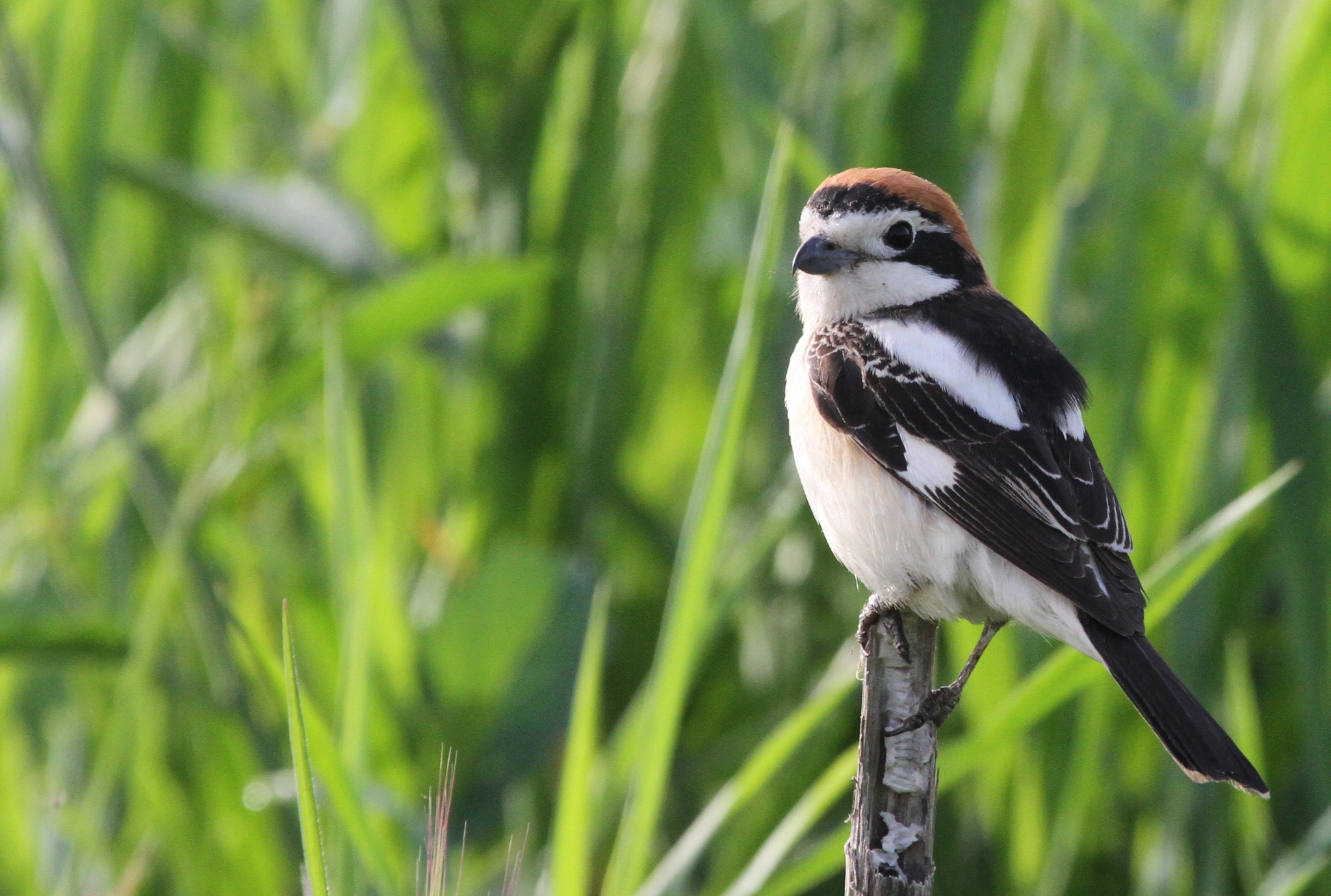
Woodchat Shrike (Lanius senator) Woodchat Shrike
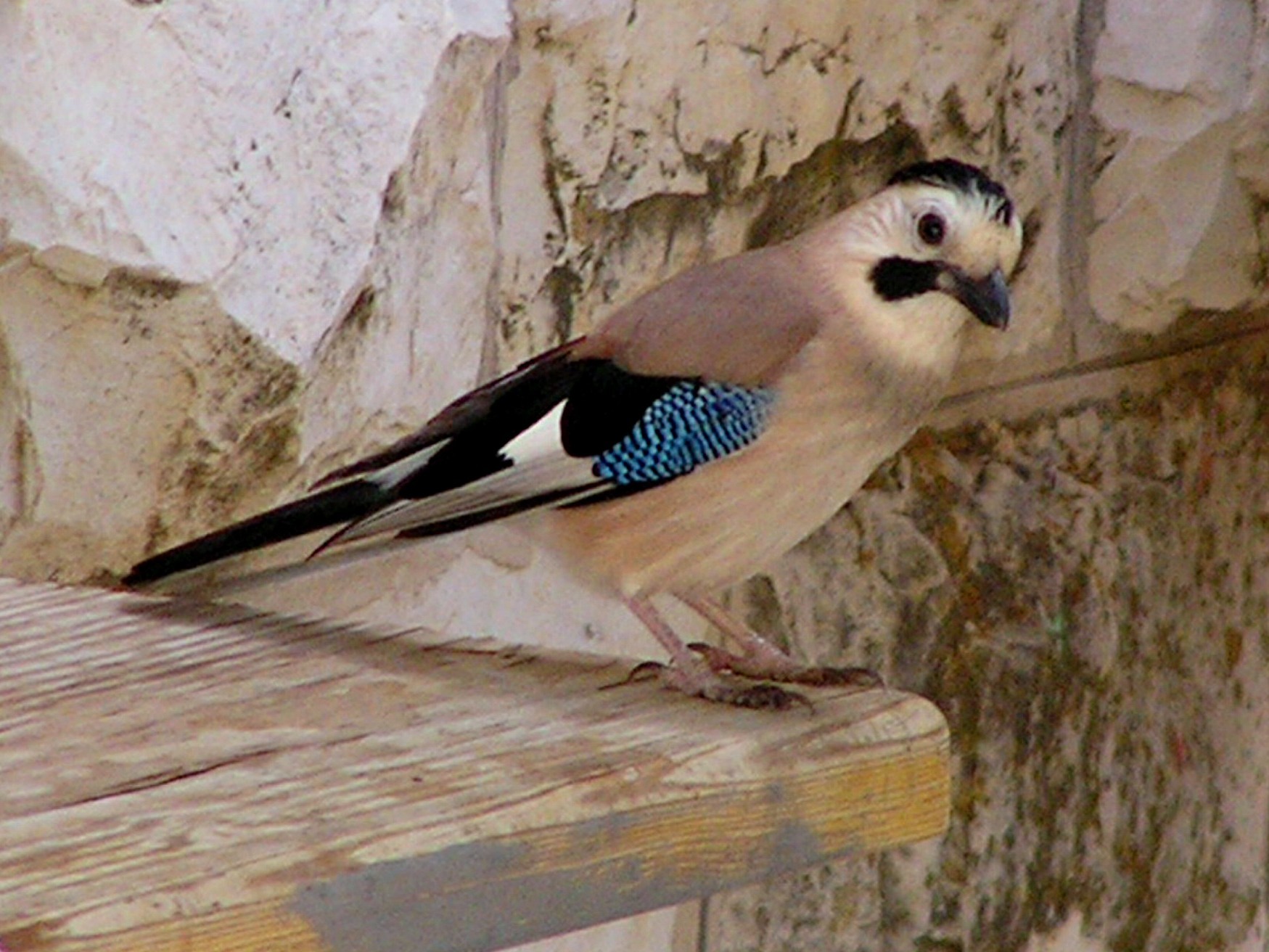
Eurasian Jay (Garrulus glandarius) Eurasian Jay

Media

Loading…

In short

The Woodchat Shrike and Eurasian Jay are distinct in both appearance and behavior. The shrike is smaller with a striking deep-rufous crown, while the jay is larger and more colorful with a mix of mauve-pink, gray, white, blue, and black plumage. Their habitats overlap in some areas, but their behaviors and vocalizations differ significantly.

Identification tips

  1. Size: Note the larger size of the Eurasian Jay. 2. Plumage: Look for the deep-rufous crown of the Woodchat Shrike versus the colorful plumage of the Eurasian Jay. 3. Behavior: Observe the hunting perches of the shrike and the acorn-dispersing behavior of the jay. 4. Habitat: Consider the habitat; shrikes prefer open areas with trees, while jays are found in woodlands and urban settings.

Size

The Eurasian Jay is significantly larger than the Woodchat Shrike.

Plumage

The Woodchat Shrike has a deep-rufous crown and nape with largely pied plumage. In contrast, the Eurasian Jay displays a colorful mix of mauve-pink, gray, white, blue, and black feathers.

Behaviour

Woodchat Shrikes are often seen perched upright hunting from exposed perches, while Eurasian Jays are known for their intelligence and acorn dispersal, often seen in woodlands and urban areas.

Habitat

Woodchat Shrikes breed in the Mediterranean Basin and winter south of the Sahara, preferring open areas with scattered trees. Eurasian Jays are common in woodlands and urban areas with adequate tree cover.

Voice

Eurasian Jays are known for their strident vocalizations, while Woodchat Shrikes are less vocal.

Submit a better description

Use the same sections as the comparison. Your text is published immediately.

The Woodchat Shrike and Eurasian Jay are distinct in both appearance and behavior. The shrike is smaller with a striking deep-rufous crown, while the jay is larger and more colorful with a mix of mauve-pink, gray, white, blue, and black plumage. Their habitats overlap in some areas, but their behaviors and vocalizations differ significantly.

  1. Size: Note the larger size of the Eurasian Jay. 2. Plumage: Look for the deep-rufous crown of the Woodchat Shrike versus the colorful plumage of the Eurasian Jay. 3. Behavior: Observe the hunting perches of the shrike and the acorn-dispersing behavior of the jay. 4. Habitat: Consider the habitat; shrikes prefer open areas with trees, while jays are found in woodlands and urban settings.

The Eurasian Jay is significantly larger than the Woodchat Shrike.

The Woodchat Shrike has a deep-rufous crown and nape with largely pied plumage. In contrast, the Eurasian Jay displays a colorful mix of mauve-pink, gray, white, blue, and black feathers.

Woodchat Shrikes are often seen perched upright hunting from exposed perches, while Eurasian Jays are known for their intelligence and acorn dispersal, often seen in woodlands and urban areas.

Woodchat Shrikes breed in the Mediterranean Basin and winter south of the Sahara, preferring open areas with scattered trees. Eurasian Jays are common in woodlands and urban areas with adequate tree cover.

Eurasian Jays are known for their strident vocalizations, while Woodchat Shrikes are less vocal.

Discard your changes?

You have unsaved edits. If you leave now, those changes will be lost.

Woodchat Shrike · Eurasian Jay · My Tricky Birds