
Xantus's Hummingbird vs Berylline Hummingbird
Basilinna xantusii versus Saucerottia beryllina
Play a quiz with Xantus's Hummingbird and Berylline Hummingbird
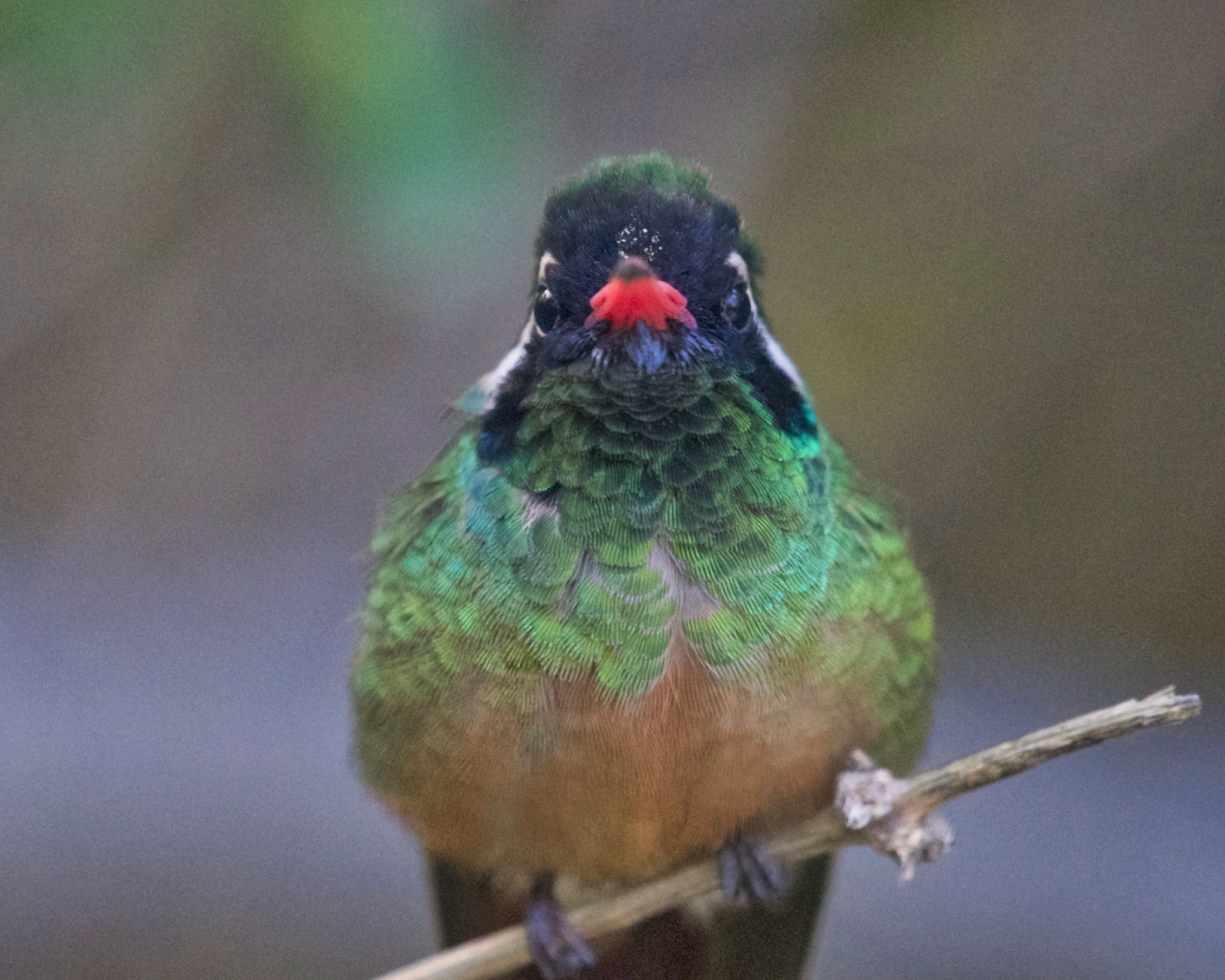 Xantus's Hummingbird
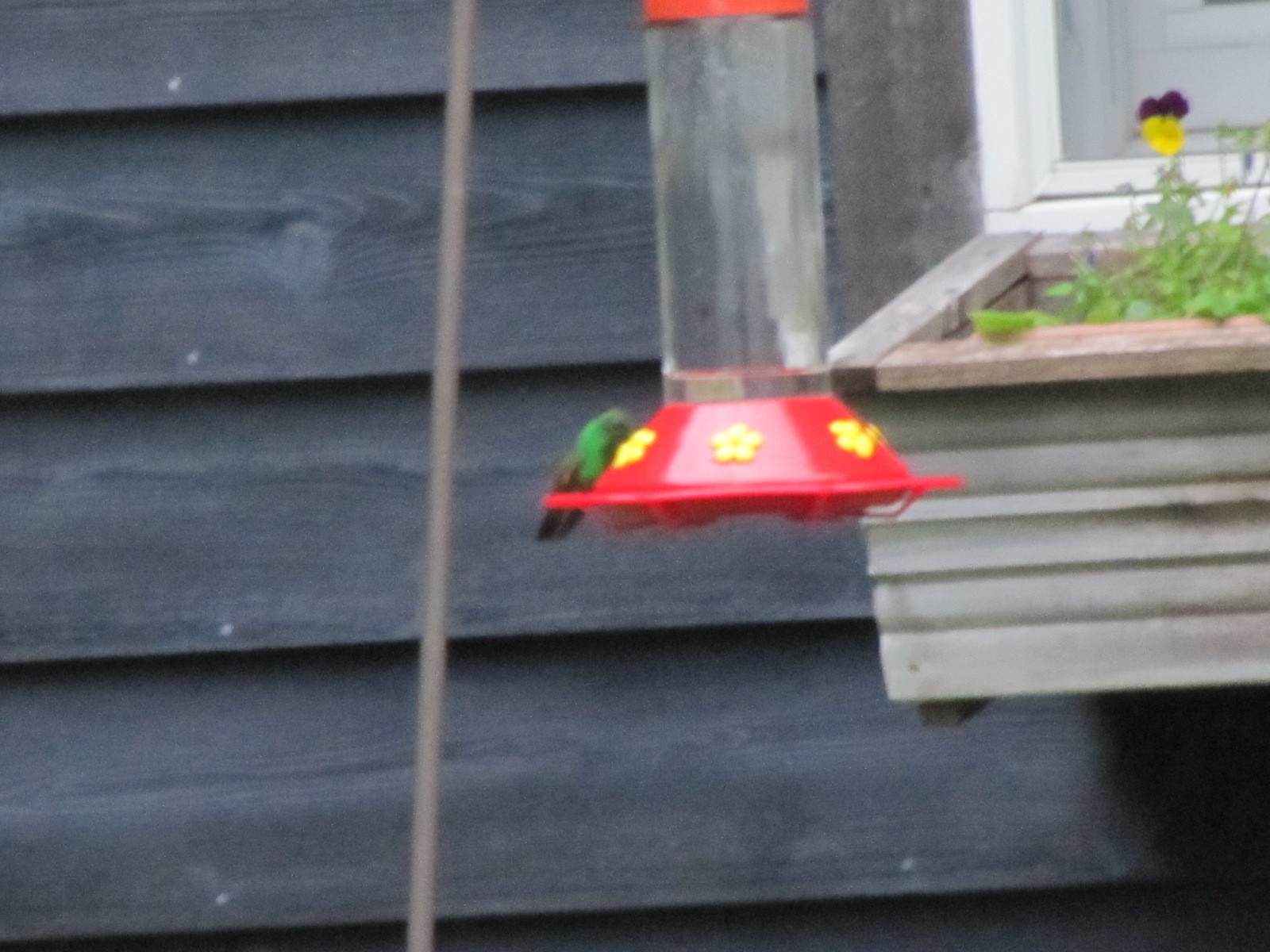 Berylline Hummingbird
In short
Xantus's Hummingbird and Berylline Hummingbird can be distinguished by their facial markings and tail coloration. Xantus's has a bold white stripe behind the eye and a dark tail, while Berylline lacks the white stripe and has a rufous tail. Both species share similar habitats but differ in their geographic range.
Identification tips
1. Look for the white post-ocular stripe on Xantus's Hummingbird, absent in Berylline. 2. Check tail color: dark in Xantus's, rufous in Berylline. 3. Consider location: Xantus's is restricted to Baja California, while Berylline has a broader range. 4. Observe behavior: Berylline often gathers in flowering trees.
Size
Both species are similar in size, typical of medium-sized hummingbirds.
Plumage
Xantus's Hummingbird features a distinctive white post-ocular stripe and a dark tail, contrasting with its green body. The Berylline Hummingbird has a more uniform green body with a rufous tail and lacks the white stripe behind the eye.
Behaviour
Both species are territorial and can often be seen chasing other hummingbirds away from feeding areas. Berylline Hummingbirds are noted for gathering in flowering trees.
Habitat
Xantus's Hummingbird is endemic to Baja California, often found in pine-oak forests and canyons. Berylline Hummingbird inhabits a wider range, including oak and pine-oak forests, scrub, and suburban gardens.
Voice
Vocalizations are not well-documented for Xantus's Hummingbird. Berylline Hummingbird's calls are typical of hummingbirds, but specific differences are not noted.
Xantus's Hummingbird · Berylline Hummingbird · My Tricky Birds